Tucked away on the side of the Little Orme, just minutes from the bustle of Llandudno, is a hidden beach that most visitors miss. This isn’t a sandy bay for swimming or sunbathing – for much of the year, it’s a quiet, pebbly cove.
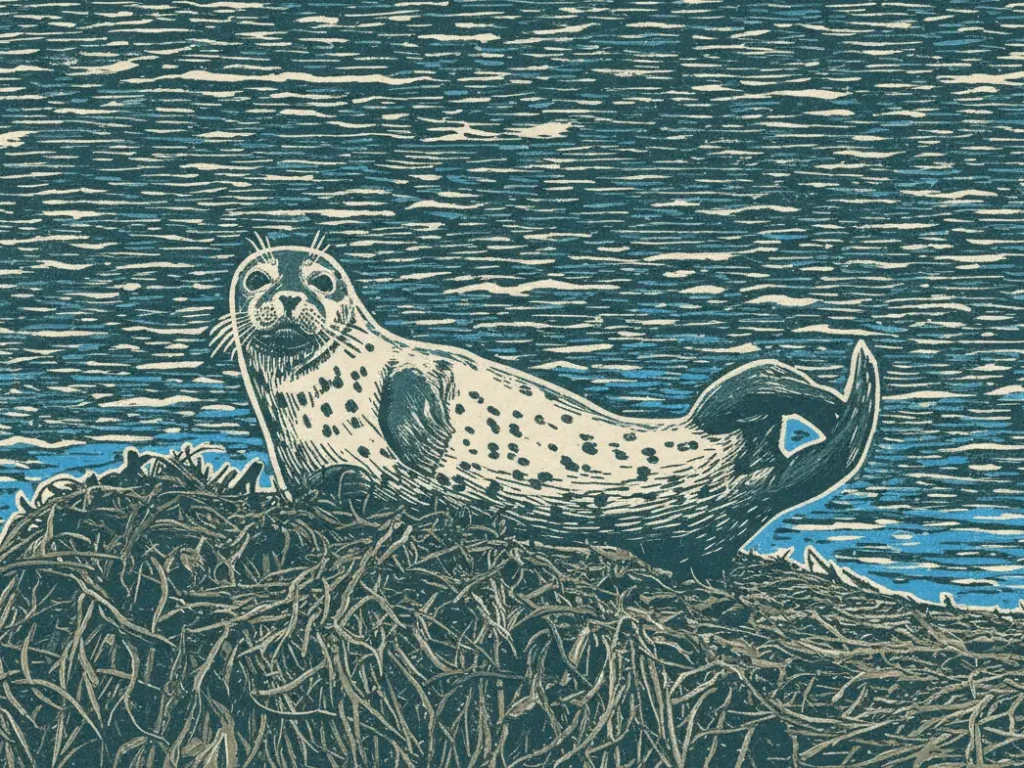
But in autumn and winter, it transforms into one of North Wales’ most heartwarming wildlife spectacles: a nursery for hundreds of grey seals, known locally as the “Angel Bay seals”.
If you’ve heard whispers of this special place, you might also have heard it can be tricky to find. The information online about where to park and how to get there is often confusing.
This guide will show you exactly how to visit, where to park respectfully and how to watch the seals safely.

The Story: Why The Angel Bay Seals are So Special
Angel Bay, or Porth Dyniewaid, is a designated grey seal conservation site. The steep, inaccessible cliffs make the pebble beach a perfect safe haven, protecting the seals from predators and disturbance.
Every year, from late September to December, hundreds of grey seals return to this tiny cove to give birth. The UK is home to around 40% of the world’s entire grey seal population, so having a spot like this on our doorstep is a real privilege.
You’re not just seeing a few seals – you’re witnessing a vital part of the local ecosystem in action.

How to Visit: A Practical Guide
When Is the Best Time to Go?
- For pups (the main event): The official pupping season runs from late September to December, when you’ll spot the distinctive fluffy white pups on the beach.
- For seals year-round: You can often see seals “hauled out” (resting) on the rocks throughout the year, but the highest numbers are during breeding season.
- Best tide: Low tide is ideal – more beach is exposed, and the seals have more room to rest.


The #1 Challenge: Where to Park
This is the part that confuses most visitors, but it’s easy once you know how.
There’s no dedicated car park for Angel Bay, and access is via a quiet residential area in Penrhyn Bay. Please do not park in the small cul-de-sac at the start of the footpath – it’s for residents only.
The best and most respectful option is to park along Penrhyn Beach East (postcode LL30 3RW), where you’ll find plenty of free, unrestricted parking. From here, it’s just a short two-minute walk to the start of the path.
The Walk to the Viewing Point
From Penrhyn Beach East, walk to the very end of the road. You’ll see a clear public footpath sign leading up onto the Little Orme via a short flight of steps.
For disabled access, there’s an alternative route that begins from Penrhyn Close, a small cul-de-sac off Penrhyn Beach West (postcode LL30 3AH).
The walk to the viewing area takes around 5-10 minutes. The grassy path can be muddy after rain, so sensible shoes or walking boots are recommended.
The walk itself is part of the experience. The cliffs are home to seabirds such as kittiwakes, razorbills, guillemots and cormorants, while the bushes along the path are alive with small birds and butterflies in summer.
Mobile signal can be patchy once you’re on the headland – it’s part of the wild charm, but worth knowing before you go.

How to Watch the Angel Bay Seals (The Responsible Way)
This is the most important part – your visit should have zero impact on the wildlife.
Rule 1: Stay on the Cliff Top
Never climb down to the beach, especially during pupping season. Getting too close can frighten mothers and cause them to abandon their pups. The cliff-top view is fantastic and gives you the best vantage point anyway.
Rule 2: Bring Binoculars
You can see the seals clearly with the naked eye, but a pair of binoculars makes the experience magical!
Rule 3: Keep Quiet
Seals are very sensitive to noise. Keep voices low and avoid sudden movement.
Rule 4: Be Mindful with Dogs
Dogs are welcome on the Little Orme paths, but even the calmest dog can cause distress to wildlife. Please keep them on a short lead and well back from the cliff edge at all times.
Rule 5: No Flash or Drones
Avoid using flash photography or flying drones – both can startle seals and pups.
If you see an injured or distressed seal:
Do not approach. Note your location and contact British Divers Marine Life Rescue (BDMLR) on 01825 765546.

The Perfect End to a Coastal Day Out
Angel Bay is a rare chance to see a wild animal spectacle up close – a reminder of just how wild North Wales still is.
It’s also an easy, 20-minute drive from our cottages, making it the perfect coastal adventure. After a day of sea air and wildlife watching, you can be back in your peaceful valley retreat, enjoying the mountain views from your private hot tub or relaxing in the indoor swimming pool.
FAQs: Visiting Angel Bay
What is the best time of year to see the seal pups?
The main pupping season is from late September to December. This is when you’ll have the best chance of seeing the white, fluffy pups on the beach.
Is there a car park for Angel Bay?
No, there is no official car park. The best and most respectful place to park is on Penrhyn Beach East, which has plenty of free, unrestricted parking. From there, it’s a 2-minute walk to the footpath.
Can you take dogs to Angel Bay?
Yes, dogs are allowed on the Little Orme footpaths, but they must be kept on a short lead at all times. This is especially important near the cliff edges, to ensure they don’t disturb the seals on the beach below. For more local walks, see our Dog-Friendly Days Out in North Wales page.
Can you walk down onto the beach?
No. For your safety and the seals’ welfare, you must stay on the clifftop viewing areas. Climbing down can disturb the mothers and cause them to abandon their pups. The view from the top is excellent, especially with binoculars.