You’ve booked your Conwy Valley holiday, planned your castle visits and mapped out your mountain walks. Then you try to tell someone where you’re going and completely mangle “Betws-y-Coed.” We’ve all been there!
Welsh place names can look intimidating at first glance. But here’s the thing: once you understand a few basic rules, they make sense. This guide gives you the pronunciation shortcuts you need to navigate North Wales with confidence, ask for directions without confusion and maybe even impress the locals.
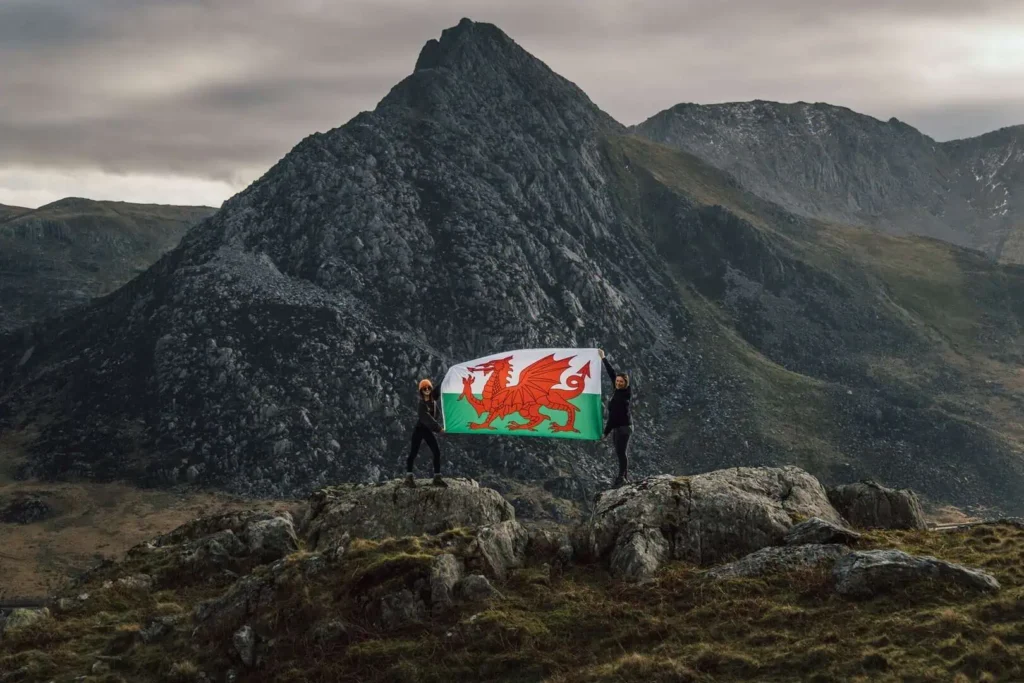
Why Bother Learning Welsh Pronunciation?
Fair question. You can enjoy your North Wales holiday without pronouncing anything correctly. But making the effort shows respect for the language and the culture. Welsh isn’t a museum piece. It’s a living language spoken by hundreds of thousands of people across Wales, and particularly here in the north.
Getting the names right also helps with navigation. If you’re asking for directions to “Betsy Co-ed,” the person you’re asking might genuinely not know where you mean. Say “Bet-oos uh Coyd” and you’ll get there faster.
Plus, it’s satisfying. That moment when you confidently pronounce “Llanfairpwllgwyngyll” (we’ll get to that one) is worth the practice.
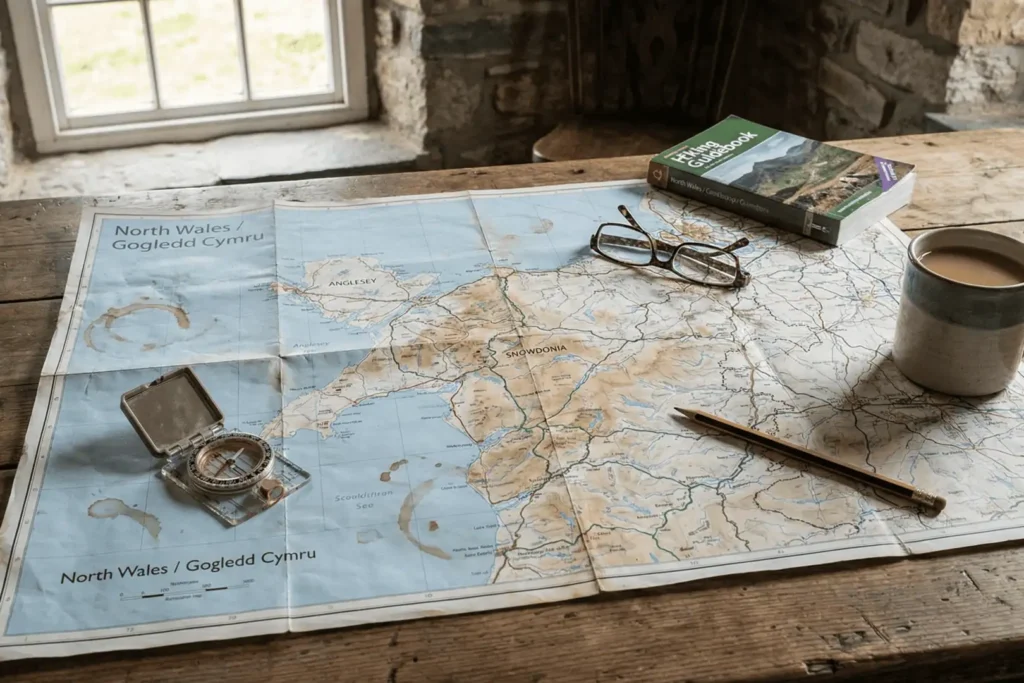
The Golden Rules: Your Welsh Pronunciation Cheat Sheet
Welsh follows consistent rules. That’s good news. English is chaos by comparison. Learn these patterns and you can tackle most place names.
LL: The Infamous Hiss
This is the sound that trips everyone up. Place your tongue behind your top teeth as if you’re about to say “L,” but instead of using your voice, blow air out the sides of your mouth. It creates a hissing sound.
Can’t get it right? Approximate it with “thl” or “hl.”
Example: Llandudno = Thlan-did-no
DD: The Soft “Th”
Pronounced like the “th” in “the” or “breathe,” not the hard “th” in “think.”
Example: Beddgelert = Beth-gel-airt
F vs FF: One Letter Makes All the Difference
Single F = sounds like “V” in English
Double FF = hard “F” sound
Examples:
- Afon (river) = Ah-von
- Ffestiniog = Fest-in-yog
W: It’s a Vowel
In Welsh, “W” is a vowel and sounds like “oo” (as in “zoo”).
Example: Llanrwst = Thlan-roost
U: Not What You Think
In North Wales, “U” is pronounced like a deep “i” or “uh” sound, never like the English “you.”
Example: Betws = Bet-oos (not “Bet-yous”)
CH: The Guttural Sound
Pronounced like the Scottish “loch” or the German “Bach.” It’s a throaty sound made at the back of your mouth.
Example: Ynys Llanddwyn = Uhn-iss Thlan-dwin
The Big Hitters: Places You’ll Visit
Let’s apply those rules to the names you’ll see most often while staying in our cottages in the Conwy Valley, anywhere from 15 minutes to just under an hour depending which valley or coast you’re heading to.
Betws-y-Coed
Correct: Bet-oos uh Coyd
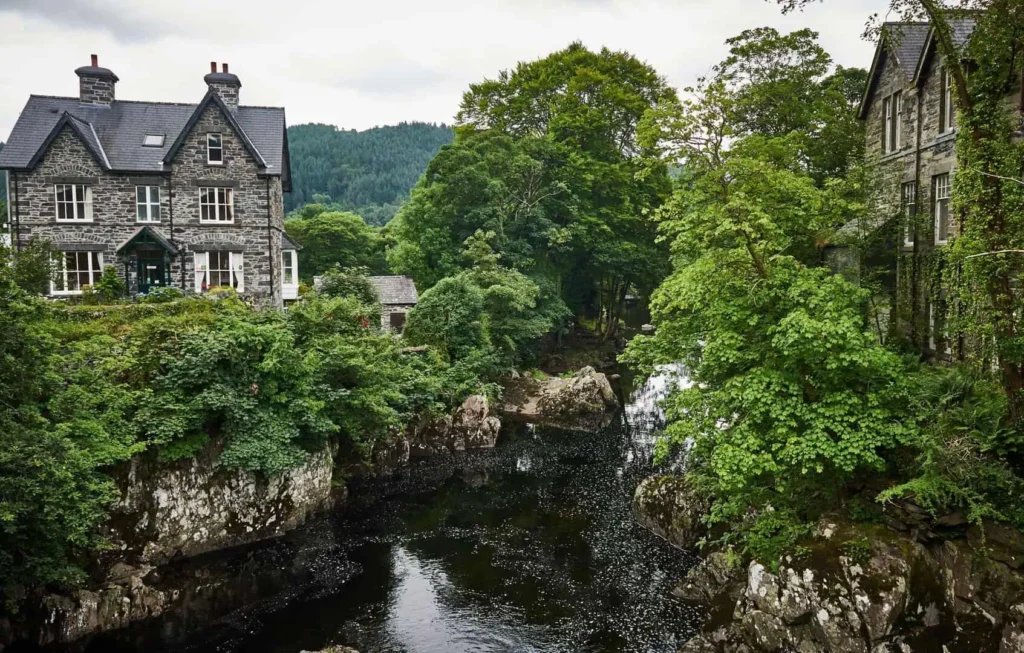
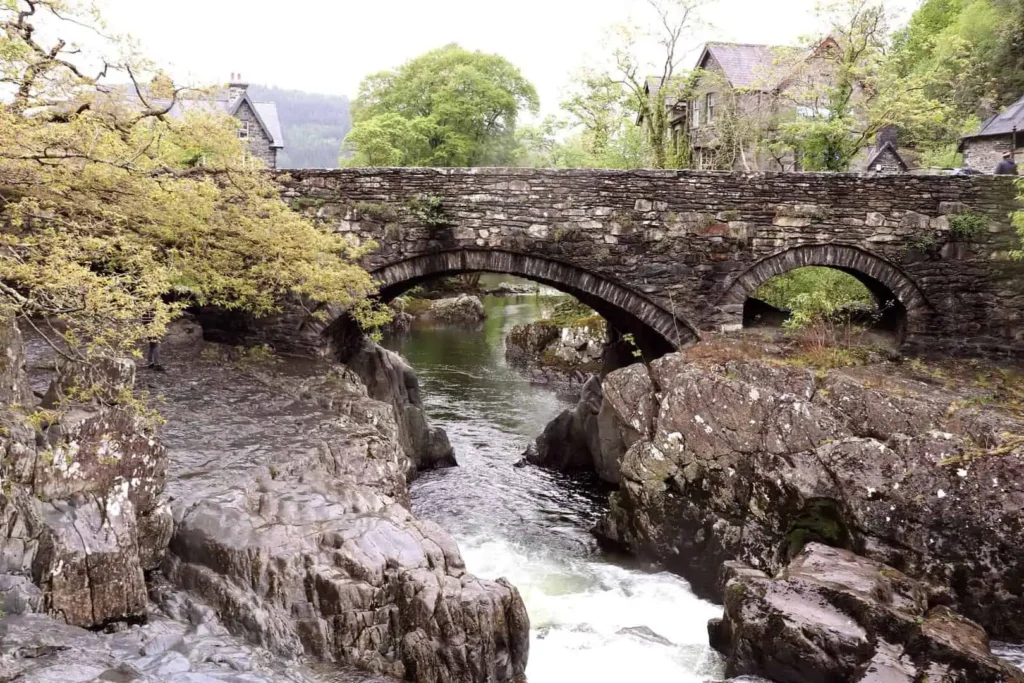
The “w” becomes “oo,” the “y” is just “uh,” and “coed” rhymes with “Lloyd.” Common mistake: “Betsy Co-ed” (which sounds like a name from a 1950s sitcom). This is the village you’ll visit most often when you explore Eryri (Snowdonia), full of outdoor shops, cafés and waterfalls. Get this one right and you’re halfway there.
Llandudno
Correct: Thlan-did-no
Start with that hissing “LL” sound (or approximate with “thl”). The “u” here is a short “i” sound. The whole thing flows together smoothly once you’ve practised it a few times.

Eryri (Snowdonia)
Correct: Eh-ruh-ree
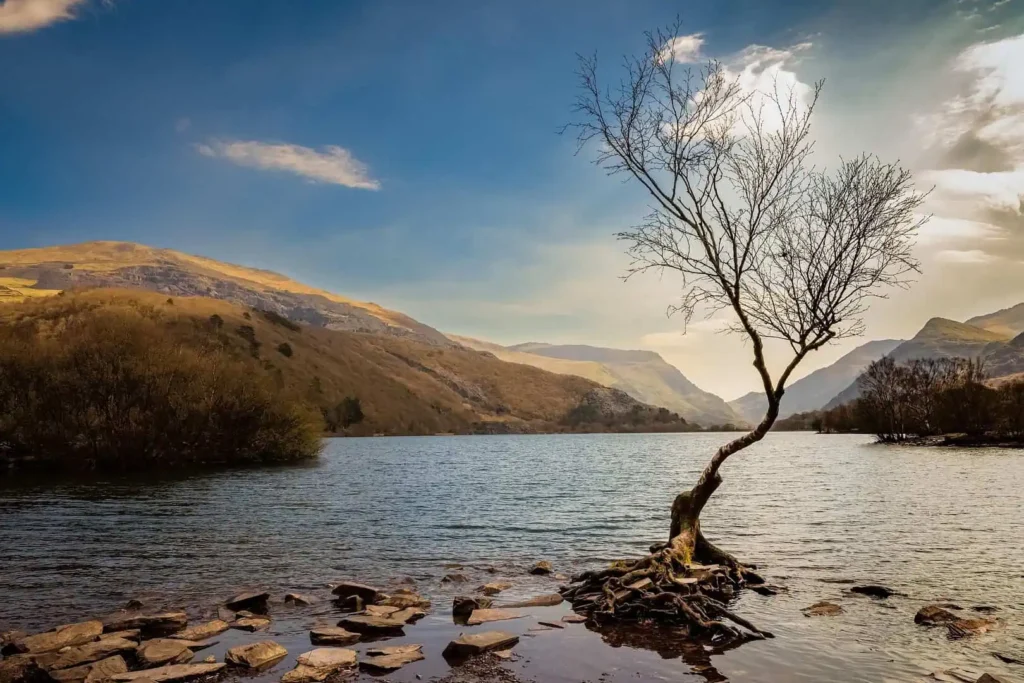
This is the Welsh name for the national park, the landscape you’ll see from our cottage patios. Roll the Rs slightly if you can. The English “Snowdonia” is still widely used, but Eryri is the official name now, and using it acknowledges the heritage of the place.

Yr Wyddfa (Snowdon)
Correct: Uhr With-va
This is the mountain itself. Remember that “DD” rule: it’s the soft “th” sound. “Wyddfa” means “tumulus” or “burial mound” in Welsh, referring to the legendary giant Rhitta Gawr supposedly buried at the summit.

Dolwyddelan
Correct: Dol-with-el-an
Home to a dramatic Welsh castle built by Llywelyn the Great. The “DD” again gives you that soft “th.” The “w” is “oo” but shortened here to almost “uh.”

Llanrwst
Correct: Thlan-roost
Our nearest market town. That “LL” at the start, then “w” becomes “oo,” and “st” is just… “st.” Simple once you break it down!

Beddgelert
Correct: Beth-gel-airt
The village famous for the legend of Gelert, the faithful hound. “DD” = soft “th,” and the emphasis falls on the second syllable.


Conwy
Correct: Con-oo-ee (or Con-wee)
Surprisingly tricky because it looks simple. The “w” is a vowel, so you get that “oo” sound in the middle. Some locals shorten it to almost “Con-wee.” Either works.

Beyond Place Names: A Word You’ll Hear Often
Cwtch
Correct: Coo-tch (rhymes with “butch”)
This isn’t a place name, but you’ll see it everywhere during your stay – on café signs, in shop windows, on cushions and tea towels. It means a hug or cuddle, but also a safe, cosy space. “come in for a cwtch in the warm cottage” or “give me a cwtch.”
It captures something essential about Welsh culture: warmth, comfort and belonging. There’s no direct English equivalent because the feeling it describes is specifically Welsh. Once you know this word, you’ll spot it constantly. And after a day exploring Eryri in the rain, returning to your cottage for a cwtch in the hot tub makes perfect sense.

Understanding What the Names Mean
Welsh place names aren’t random. They describe the location, often literally. Once you know the common elements, you can decode them.
- Llan: Church or enclosure. Llandudno = Church of St Tudno. Llanrwst = Church of St Grwst.
- Aber: Mouth of a river. Aberconwy = Mouth of the River Conwy.
- Betws: Prayer house or chapel. Betws-y-Coed = Prayer house in the wood.
- Afon: River. Afon Conwy = River Conwy.
- Pont: Bridge. Pontypridd = Bridge by the earthen house.
- Pentre: Village. Pentrevoelas = Village of the bald hill.
Knowing this gives you context. When you see “Llan-something,” you know there’s (or was) a church there. “Aber-something” is at a river mouth. The landscape is written into the language.
The Showstopper: Llanfairpwllgwyngyllgogerychwyrndrobwllllantysiliogogogoch
You knew this was coming. The village on Anglesey with the longest place name in Europe. It’s a Victorian publicity stunt, designed to attract tourists (it worked), but it’s also a genuine challenge.

Correct pronunciation (deep breath):
Thlan-vire-pooth-gwin-gith-go-ger-uh-chwurn-drob-ooth-thlan-tuh-sil-yo-go-go-goch
Let’s break it down:
- Llanfair = St Mary’s Church
- Pwll = Pool
- Gwyn = White
- Gyll = Hazel
- Goger = Near
- Chwyrn = The rapid whirlpool
- Drobwll = Of the pool
- Llan = Church
- Tysilio = St Tysilio
- Gogo = Near the
- Goch = Red cave
Translation: “St Mary’s Church in the hollow of white hazel near a rapid whirlpool and the Church of St Tysilio near the red cave.”
There’s a reason they shorten it to Llanfair PG!


Practice Makes Progress
You won’t nail every pronunciation immediately. That’s fine. The locals appreciate the effort, even if your “LL” sounds more like a cat hissing than the proper sound.
Here’s how to improve:
- Listen to native speakers: YouTube is full of pronunciation guides. Hearing the sounds in context helps enormously.
- Start small: Master “Betws-y-Coed” and “Llandudno” first. These are the names you’ll use most often during your stay.
- Don’t be embarrassed: Everyone struggles with Welsh pronunciation at first. Locals are patient and will gently correct you if you ask.
- Use it in conversation: The more you say these names out loud, the more natural they become. Practice in the car on your way to attractions.
A Note on Respect
Welsh is one of Europe’s oldest living languages. It predates English in Britain by centuries. For much of the 20th century, it was actively suppressed. Children were punished for speaking it in schools. The survival and revival of the language represents a hard-won cultural victory.
Using Welsh place names correctly is a small gesture, but it matters. It acknowledges that this isn’t just “North Wales” as a vague region. It’s Eryri, the land of eagles. It’s Conwy, with its river and castle. It’s a place with its own identity, language and history.
You don’t need to become fluent. Just making the effort to pronounce “Eryri” instead of always saying “Snowdonia” shows you understand that.

Your North Wales Pronunciation Starter Pack
To get you started, here’s a quick reference list of places you’ll likely visit during your stay at Fig Tree or Laurel holiday cottage:
- Conwy: Con-oo-ee
- Llandudno: Thlan-did-no
- Betws-y-Coed: Bet-oos uh Coyd
- Eryri: Eh-ruh-ree
- Yr Wyddfa: Uhr With-va
- Llanrwst: Thlan-roost
- Beddgelert: Beth-gel-airt
- Dolwyddelan: Dol-with-el-an
- Caernarfon: Kai-nar-von
- Blaenau Ffestiniog: Blai-nye Fest-in-yog
- Llyn (lake): Thlin
Print this out, stick it in the car and refer to it when you need to. Before long, you’ll be pronouncing these names without thinking!
It’s Worth the Effort
Welsh pronunciation looks harder than it is. Once you understand the rules, it becomes manageable. And the payoff is worth it: smoother conversations, better navigation and a deeper connection to the place you’re visiting.
You don’t need to be perfect. But trying shows respect for the language and culture that define North Wales. That effort is noticed and appreciated. So go ahead. Practice that “LL” sound. Master “Betws-y-Coed.” Confidently ask for directions to Yr Wyddfa. You’ll get there. And when you do, the mountains, castles and valleys of Eryri will feel that much more rewarding.
Ready to explore North Wales and put your pronunciation skills to the test? Check availability at Fig Tree and Laurel today.


FAQ
How do you pronounce ‘ll’ in Welsh?
Place your tongue behind your top teeth as if saying “L,” but blow air out the sides of your mouth instead of using your voice. It creates a hissing sound. If you can’t manage it, approximating with “thl” or “hl” is acceptable and will be understood.
Is Welsh difficult to pronounce for beginners?
It’s unfamiliar, but not impossible. Welsh follows consistent pronunciation rules, which actually makes it easier than English once you learn the patterns. The sounds themselves can be challenging (especially “LL” and “CH”), but with practice, most people can pronounce place names well enough to be understood.
What is the Welsh name for Snowdon?
Yr Wyddfa (pronounced “Uhr With-va”). This is now the official name used by national park authorities and on signage throughout Eryri (Snowdonia). It means “tumulus” or “burial mound,” referring to the legend of the giant Rhitta Gawr buried at the summit.
Some images: © Crown Copyright