When you look out from the patios at our cottages, the vast, rolling landscape dominating the skyline is the Carneddau.
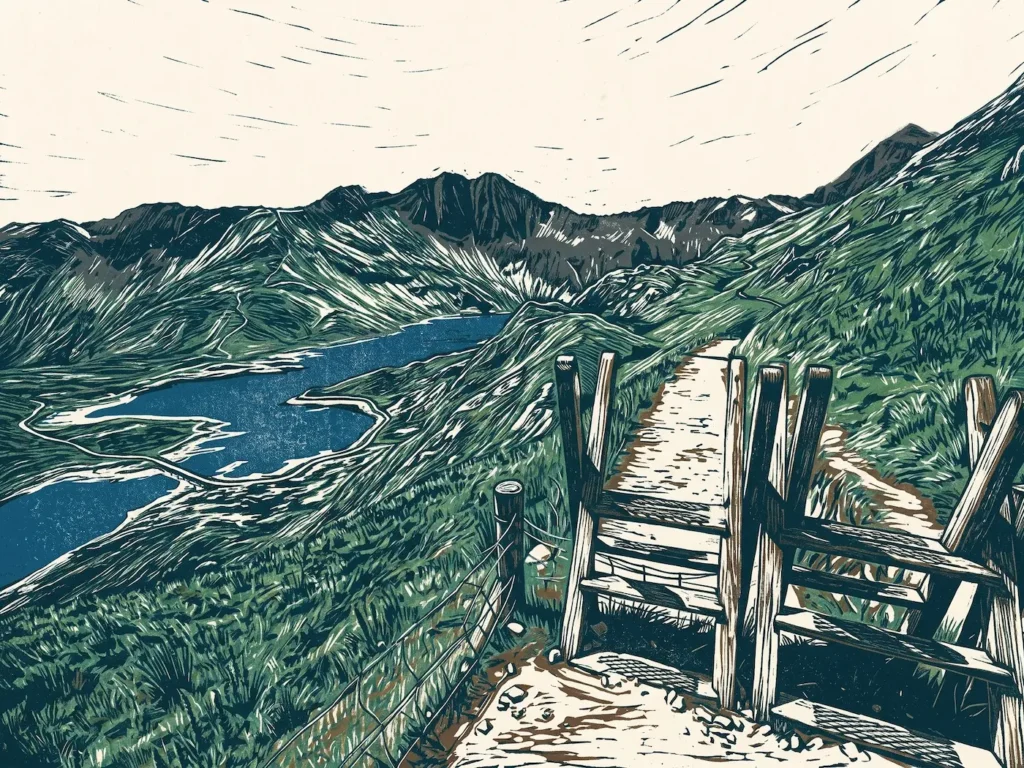
While most people picture Eryri (Snowdonia) as the jagged summit of Yr Wyddfa (Snowdon) or the rocky spires of Tryfan, the Carneddau are a different kind of mountain kingdom. This is the largest mountain plateau in Wales and one of the wildest. It’s a landscape where solitude is easy to find, wild ponies roam freely and the history of ancient princes lingers in the stone cairns and ridge lines.
Whether you’re after a gentle family walk or a full mountain day, this guide offers an unforgettable way to experience Eryri’s quiet side – the very one you’ve been admiring from your window at Conwy Valley Getaway.

Why Walk the Carneddau?
Many visitors head straight for Yr Wyddfa, but the Carneddau range offers a different, and often more rewarding, experience. If you’re looking for a big mountain day without the crowds, here’s why you should consider them.
You Get a Real Sense of Space
The best thing about the Carneddau is their scale. The rolling, expansive ridges mean you can walk for hours and feel like you have the mountains to yourself. It’s a place where you can find a spot for lunch, look out at the view and the only sound will be the wind. It gives you a sense of solitude that’s hard to find on the more famous peaks.


The Views Are Immense
The reward for your climb is some of the most far-reaching scenery in Eryri. From the main ridge on a clear day, you can look out across Anglesey, the Menai Strait and the neighbouring Glyderau range. It’s a huge, panoramic view that puts the landscape into perspective.

You’re Walking Through History
There’s a reason they’re called the Carneddau, which means “the cairns.” You’re walking through a landscape scattered with Bronze Age burial mounds and ancient tracks. It adds another layer to the walk, knowing that people have been crossing these same hills for thousands of years.

A good base makes a great day out.
Fig Tree and Laurel sit high above the Conwy Valley, a short drive from the mountains, the coast and everything in between. Private hot tubs, a heated indoor pool and a warm welcome for dogs.
Explore the cottagesWhere to See the Carneddau Wild Ponies
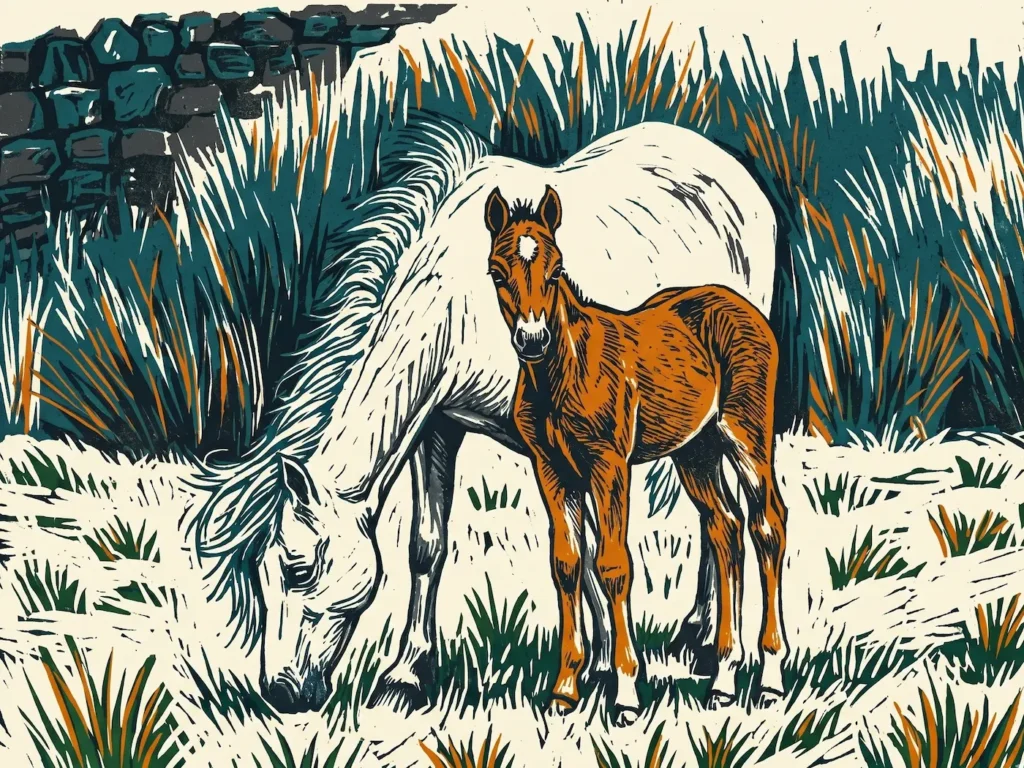
One of the highlights of walking the Carneddau is the chance to encounter the hardy, semi-feral ponies that have called these mountains home for centuries.
These aren’t ordinary mountain ponies. DNA studies suggest the Carneddau ponies are genetically unique, with bloodlines dating back to the Bronze Age. They’re perfectly adapted to the harsh mountain environment, grazing on the high slopes year-round and thriving in conditions that would challenge most domesticated breeds.
You’ll often spot them on the open plateau above Aber Falls, around Sychnant Pass or along the main ridges. Seeing them grazing against the skyline, with nothing but mountains and sky behind them, is a real highlight.

Important Rules:
- Look, but don’t touch or feed. These are semi-wild animals, not pets.
- Give them space, especially mares with foals in spring and early summer.
- Keep dogs on a lead when ponies are nearby.
Keep an eye out for ravens and peregrine falcons near the crags, too. The Carneddau are home to some of the finest mountain birdlife in Wales.

Four Key Walks: From Ancient Roads to High Ridges
You don’t have to be a mountaineer to experience the Carneddau. Here are four routes for different abilities and ambitions, from a gentle family waterfall walk to a full mountain traverse.
1. Aber Falls – A Family-Friendly Waterfall Walk
Difficulty: Easy
Distance: 3km (1.9 miles) each way
Time: 1.5–2 hours
Start: Aber Falls Car Park, Bont Newydd (LL33 0LP)
This is one of North Wales’ classic walks for good reason. A well-maintained path follows the river through a beautiful wooded valley, leading to the sight of Aber Falls (Rhaeadr Fawr) plunging 120 feet over a cliff edge.
It’s perfect for families, with plenty of picnic spots along the way. The falls are at their most dramatic after rain – expect spray, noise and the occasional rainbow in afternoon light.
Need to Know:
- Terrain: Well-maintained gravel path, suitable for most fitness levels
- Parking: Pay-and-display car park (fills quickly on weekends)
- Dog-friendly: Yes, on leads
- Facilities: Public toilets at the car park


2. The Roman Road at Bwlch y Ddeufaen – A Walk Through Ancient History
Difficulty: Easy to Moderate
Distance: 4km (2.5 miles) each way to the crossroads
Time: 2-3 hours
Start: Bwlch y Ddeufaen Car Park (Grid Ref: SH 721 715)
This is one of the most historically rich walks in the Carneddau, following an ancient route that was old long before the Romans arrived. The track from Segontium (Caernarfon) to Canovium (near Caerhun) passes through Bwlch y Ddeufaen, which translates to “Pass of the Two Stones.” These two prehistoric standing stones, one reaching 3 metres tall, mark the summit of the pass at around 430 metres.
The beauty of this walk is its accessibility. You’re high in the mountains without the brutal climb, starting from a car park that’s already at altitude. The track is clear and well-defined, making it perfect for families or anyone wanting mountain atmosphere without technical difficulty.
As you walk, you’ll pass Bronze Age cairns, the remnants of a stone circle and scattered evidence of Neolithic settlements. The landscape feels timeless, and on a clear day, the views stretch across to Anglesey and the coast. This is also prime Carneddau pony territory, so keep an eye out for them grazing on the moorland.
The route is particularly stunning when the heather blooms in late summer, turning the hillsides purple.
Need to Know:
- Getting there: From the B5106 at Tal-y-Bont (near Conwy), turn west at The Bedol pub, signposted Llanbedr-y-Cennin. Follow the narrow, single-track road for 4 miles to its end
- Terrain: Gravel track with gentle inclines. Can be muddy after rain
- Parking: Small free car park at road’s end. Space is limited, arrive early on weekends
- Dog-friendly: Yes, excellent for dogs. Keep on leads near ponies and livestock
- Facilities: None. Nearest facilities in Rowen village
- Extension option: Strong walkers can continue to summit Drum (771m) or Foel Fras (942m), though this requires proper navigation skills
Historical Note: While called the Roman Road, archaeological evidence shows this route was used for thousands of years before Roman occupation. The standing stones predate the Romans by at least 2,000 years, and the numerous cairns and settlements along the route tell the story of Bronze Age communities who crossed these same hills.


3. Pen yr Ole Wen – A Proper Mountain Experience
Difficulty: Moderate to Strenuous
Distance: 10km (6.2 miles) round trip
Time: 3–4 hours
Start: Idwal Cottage Car Park, Ogwen (LL57 3LZ)
For those wanting a taste of the high peaks, the ascent of Pen yr Ole Wen is a brilliant introduction and a proper workout.
The climb is brutal. Relentlessly steep, loose underfoot in places and nicknamed “the grind” by locals for good reason. But the path is clear, and the reward at the summit is worth every step: dramatic views down the Nant Ffrancon valley and across to Tryfan’s iconic twin peaks.
Come prepared for a leg-burner. Take your time, bring plenty of water and don’t underestimate it.
Need to Know:
- Terrain: Clear path but steep and exposed near the top
- Parking: Pay-and-display at Idwal Cottage (fills early, consider arriving before 9am)
- Dog-friendly: Yes, but challenging for smaller dogs
- Facilities: Café and toilets at Idwal Cottage

4. The Carneddau Traverse – For Seasoned Hikers
Difficulty: Hard
Distance: 20km (12.4 miles)
Time: 6–8 hours
Start: Idwal Cottage Car Park, Ogwen (LL57 3LZ)
For experienced walkers, the traverse of Carnedd Llywelyn and Carnedd Dafydd is one of the great mountain days in Britain. This long, high-level ridge walk links two of Wales’ highest peaks and offers an unparalleled sense of exposure and wildness.
This is a serious mountain day. The plateau is vast and featureless in mist, with limited escape routes once you’re committed. Only attempt this in good weather with solid navigation skills and experience.
Done right, it’s unforgettable.
Need to Know:
- Terrain: High-level ridge walk, exposed and remote
- Weather: Check Met Office Mountain Forecast before setting out
- Parking: Idwal Cottage pay-and-display (book early)
- Dog-friendly: Only for very fit, experienced mountain dogs
- Navigation: Map and compass essential (we provide OS maps in both cottages)


When to Visit the Carneddau
The Carneddau are worth a visit year-round, but what you’ll experience changes with each season:
🌸 Spring (March–May)
This is when the mountains feel like they’re waking up. The waterfalls are still full and impressive after the winter, and you’ll see lambs on the lower slopes. Best of all, the days are stretching out, giving you more daylight to tackle those longer routes safely.
☀️ Summer (June–August)
Summer gives you the best chance for long, warm days, making it the ideal time to take on the bigger ridge walks. If you visit later in the season, you’ll be rewarded with the hills turning a beautiful purple as the heather comes into bloom.

🍂 Autumn (September–November)
For many local walkers, this is the best season of all. The air is often crisp and clear, which means the visibility can be incredible. The landscape turns a beautiful gold and russet, and you’ll find the trails are generally a bit quieter than in summer.
❄️ Winter (December–February)
This is the one season where we add a serious note of caution. In winter, the Carneddau become a very different environment and should only be attempted by experienced winter mountaineers. Conditions can change rapidly, with icy slopes and poor visibility. If you don’t have crampons, an ice axe and the skills to use them, it’s best to enjoy the lower-level walks and save the high peaks for spring.

Planning Your Visit: Practical Tips
- Check the Weather: Conditions on the Carneddau plateau can change fast. Always check the Met Office Mountain Forecast before heading out. What’s calm in the valley can be brutal on the ridge.
- Navigation is Key: For the higher routes, carry a map and compass and know how to use them. The plateau is notoriously featureless in mist. We provide an OS Explorer map (OL17) in both cottages for guests to borrow. GPS is a useful backup, not a primary tool.
- Parking: Aber Falls and Ogwen car parks are popular and fill quickly, especially on weekends and school holidays. Arrive early to secure a space. Both are pay-and-display.
- What to Wear & Pack: Even on sunny days, expect wind and cold on the summits. Wear sturdy boots with ankle support. Bring layers, waterproofs, gloves and a hat. The plateau offers zero shelter.
- Walking with Dogs: The Carneddau are fantastic for dogs, but keep them on a lead around ponies and livestock. Many paths cross grazing land, and ground-nesting birds are present in spring and summer.
The Carneddau are beautiful but unforgiving. Before you set out:
– In an emergency, call 999 and ask for Police, then Mountain Rescue.
– Tell someone your planned route and expected return time.
– Don’t be afraid to turn back if conditions worsen. The mountain will still be there tomorrow.

Best Photo Spots
Aber Falls base: Dramatic drop with rainbow potential in the afternoon light.
Carnedd ponies on the plateau: Look for silhouettes against the sky (keep your distance).
Pen yr Ole Wen summit: The classic shot looking down the Nant Ffrancon valley with Tryfan in the frame.
Carnedd Llywelyn cairn at sunset: Perfect for golden hour light over Anglesey and the Irish Sea.
Your Carneddau Adventure Starts Here
After a day on the ridges, return to Fig Tree and Laurel sitting high above the Conwy Valley with the Carneddau spread out in front of you. You can see where you’ve been from your window.


Both cottages have private hot tubs and share an indoor heated pool. Head out knowing you have a comfortable base waiting: whether you want to soak under the stars or warm up with a swim, you’ll have your own quiet space to recover properly after a mountain day.
FAQs
Are the Carneddau mountains difficult?
They range from easy valley walks to serious mountain plateaus. Aber Falls is accessible to most people, while the high-level ridge walks require navigation skills, good fitness and mountain experience. The terrain is generally less technical than other Eryri peaks, but weather and route-finding can be challenging.
Where can I see wild ponies in Eryri?
The Carneddau range is their home. Look for them on the slopes above Aber Falls, around Sychnant Pass or along the main ridge between Carnedd Llywelyn and Carnedd Dafydd. Early morning or late afternoon offers the best chance of sightings. Remember to keep your distance and never feed them.
Is Pen yr Ole Wen harder than Yr Wyddfa?
It’s steeper and quieter but technically less demanding than Yr Wyddfa (Snowdon). The initial ascent is relentlessly steep and requires better fitness, but there are no scrambles or exposed edges. You’ll encounter far fewer people, which many walkers prefer. The trade-off is that it feels more remote if conditions deteriorate.
Can I wild camp on the Carneddau?
Wild camping is tolerated in many areas of Eryri if done responsibly: leave no trace, camp high (above 300m), stay one night only and pitch after sunset. However, check current access rules and avoid camping near farms or on designated protected land. Always follow the The Countryside Code.
Some images: © Crown Copyright