Welsh Mountain Zoo sits on a working hillside above Colwyn Bay, not a flat, easy circuit, and that single fact decides who has a great day here and who doesn’t.
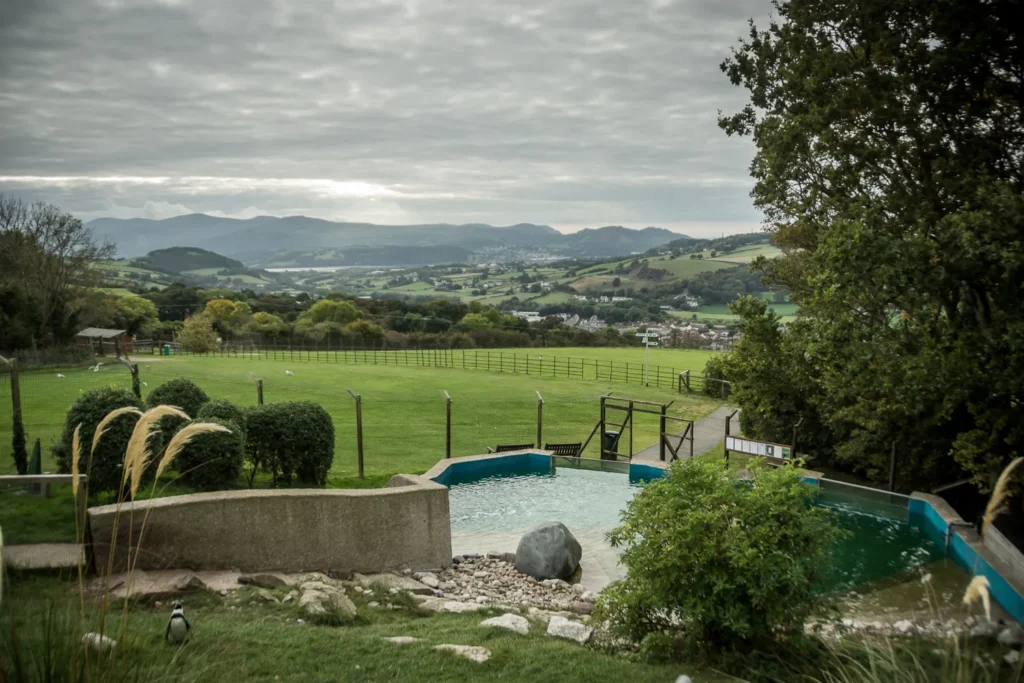
It spans 37 acres on the old Flagstaff Estate, with steep paths, gardens, woodland and sea views layered across the slope. More than 60 species live here, including snow leopards, red pandas, chimpanzees, bears and penguins, but the setting is as much a part of the visit as the animal collection itself.
So, is Welsh Mountain Zoo worth visiting?
For many families, yes. It works particularly well if your children enjoy animals, keeper talks and playgrounds, and if everyone in the group is reasonably comfortable with hills. It’s close enough to the Conwy Valley to make an easy half-day or longer outing without committing to a long drive.
There are some important caveats, though. The terrain is genuinely steep in places, not all habitats are equally accessible and the zoo is currently mid-redevelopment. If you’re visiting with a pushchair, wheelchair, or someone who struggles with hills, read the practical sections below before booking.
Welsh Mountain Zoo at a glance
| Where | Above Colwyn Bay, North Wales |
| Allow | Around 4 to 5 hours |
| Best for | Families, animal lovers, school-age children |
| Terrain | Hilly, with steep paths, steps and uneven sections |
| Pushchairs | Possible, but expect hills; use the recommended routes |
| Wheelchair access | Partial rather than complete |
| Parking | Free |
| Food | Cafés plus picnic areas |
| Dogs | Pet dogs not permitted |
| From Conwy Valley Getaway | Around 20 minutes by car |
The zoo recommends allowing four to five hours, though how long you actually stay depends on children, talks, animal visibility, and how much time gets spent in the play areas.
What sort of zoo is it?
Welsh Mountain Zoo opened in 1963 on the former Flagstaff Estate above Colwyn Bay. It later became a charitable zoo and in 2008 was officially recognised as the National Zoo of Wales.
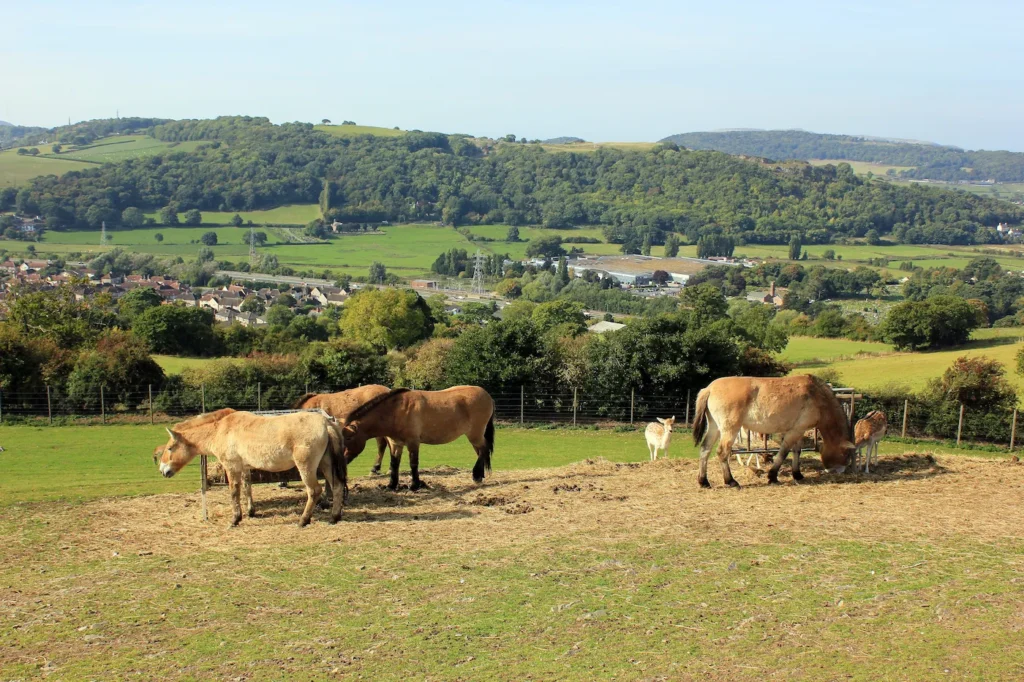
Its scale is worth understanding before you arrive. This isn’t Chester Zoo on a smaller plot. The attraction is spread across a steep landscaped site, with animal habitats woven between gardens, trees, slopes and viewpoints. That has advantages: on a clear day, the views across Colwyn Bay and towards the Carneddau are excellent and the site feels very different from a conventional urban zoo.
It also means getting from one section to another takes effort. You’ll walk uphill, downhill and sometimes back uphill again. That’s probably the single most useful thing to know before visiting.
What animals can you see?
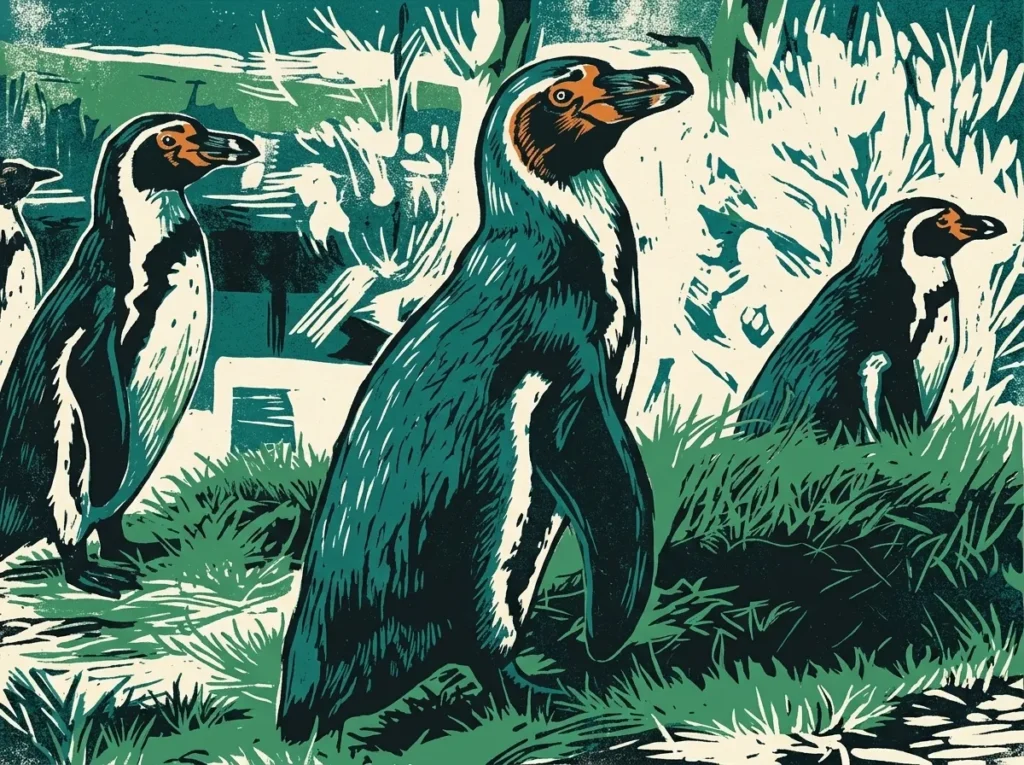
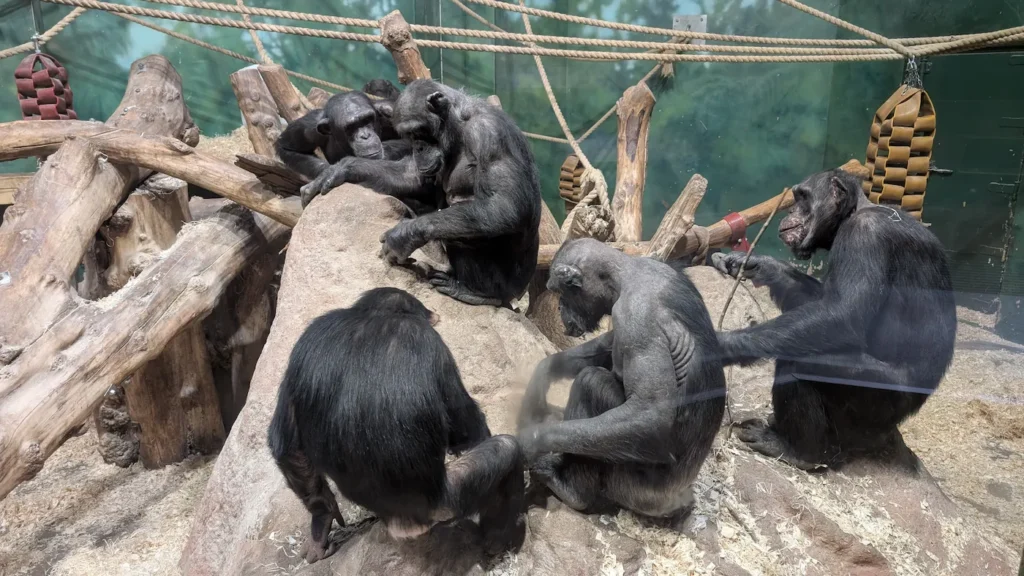
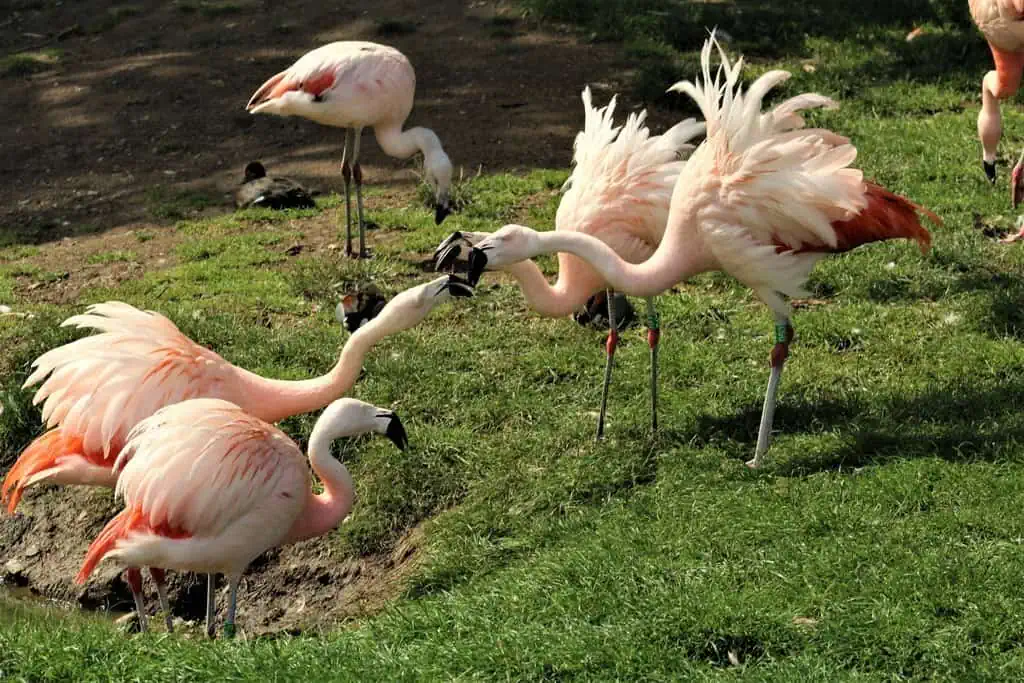
The zoo houses more than 60 species, so there’s plenty to look for without trying to tick off every enclosure. Current highlights include snow leopards, red pandas, chimpanzees, bears, penguins, flamingos, meerkats, gibbons and a variety of other mammals and birds.
I’d avoid promising children they’ll definitely see one particular animal. As with any zoo, animals may be indoors, resting or simply out of sight. The zoo actively encourages visitors to return to a habitat later in the day if an animal isn’t visible the first time.
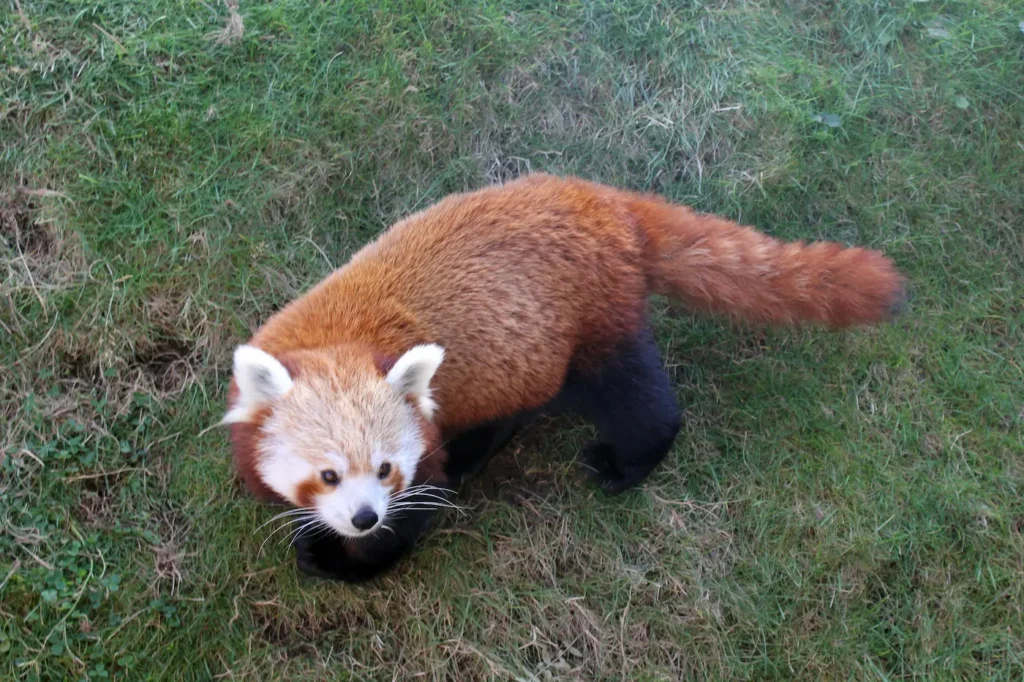
The keeper talks help with this. Different species talks run during the week, currently including chimpanzees, snow leopards, meerkats, bears, red pandas and otters. The daily schedule can change, so check the digital board near the gift shop when you arrive rather than planning the whole day around timings you found online weeks earlier.
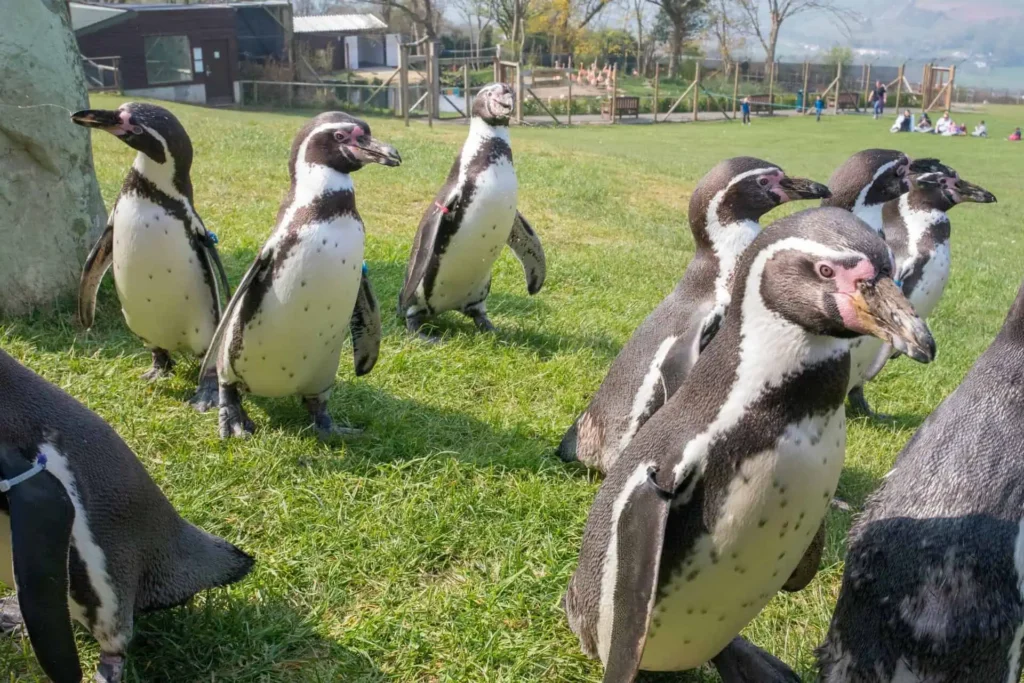
One recent change worth knowing about: the zoo’s three California sea lions, resident for almost 60 years, gave their final demonstration on 6th September 2026 ahead of a move to Colchester Zoo, where they’ll have a larger habitat. Their old enclosure is being redeveloped over winter for the Humboldt penguins, so don’t expect to see a sea lion show if you’re planning an autumn or winter visit.
How long should you allow?
The zoo recommends four to five hours, which feels like the right starting point.
Some families will comfortably spend most of the day there, especially if they stop for lunch, catch several keeper talks and allow time for the playground. Others will be happy after three or four hours and combine the zoo with something else around Colwyn Bay or Llandudno. I’d think of it as a substantial half-day rather than automatically a full-day attraction.
Arriving reasonably early helps. You have more time to revisit animals that weren’t visible on the first circuit, and you’re less likely to feel rushed uphill towards closing time.
The hill: don’t underestimate it
The word Mountain is doing some useful work in the name!
The zoo describes its site as a historic hillside estate with gradients, steps, narrow paths, gravel surfaces and uneven terrain. Around 70% of animal habitats are accessible to wheelchair users with support, which also means a significant part of the site isn’t straightforward for visitors with limited mobility.
Recent visitor reviews repeatedly mention the hills. Some describe them simply as part of the character of the place. Others, particularly people visiting with wheelchairs, older relatives or heavy pushchairs, found them much harder than expected.
For an active family with children walking independently, that’s unlikely to be a reason not to visit. Wear sensible shoes and expect a fair amount of climbing. For anyone with mobility concerns, it should be part of the decision before you buy tickets.
Is Welsh Mountain Zoo suitable for pushchairs?
Yes, but with qualifications. The zoo provides a map showing the routes best suited to pushchairs and wheelchairs. These avoid steps where possible, but they don’t avoid slopes – that distinction matters.
A lightweight pushchair with a fit adult pushing it is a very different proposition from a heavy double buggy on a steep section of path. Recent parents have reported both experiences, from finding it manageable to feeling the gradients made the visit unnecessarily difficult.
If you have a baby who’s happy in a carrier, taking one as a backup could make the day easier. With toddlers, factor in that tired legs near the end of the visit may mean somebody gets carried back uphill.
What about wheelchair access or limited mobility?
This is the area where I’d be most cautious about giving a blanket recommendation.
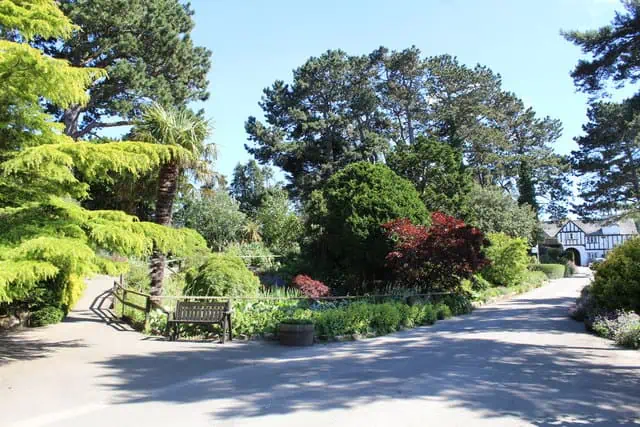
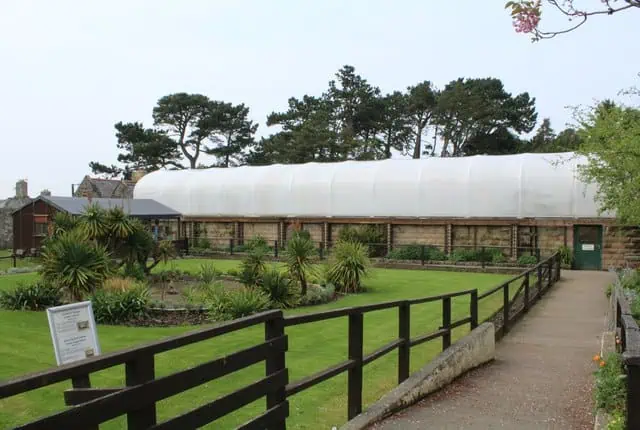
The zoo says approximately 70% of its animal habitats are accessible to wheelchair users with the support of a companion or carer. Accessible route maps are available, manual wheelchairs can be borrowed free of charge and disabled parking is available centrally. Some newer habitats have ramped access.
However, the accessibility statement also makes clear that parts of the site can’t be reached by visitors with mobility difficulties because of steps, sloping paths and gravel. Small-wheeled mobility scooters may also struggle on some surfaces.
If mobility is likely to determine whether the day works, read the zoo’s current accessibility information before booking and contact them directly if you’re unsure. There are accessible concession tickets, and an essential companion can currently enter free with the required supporting documentation.
Is it good for younger children?
There’s plenty for younger children beyond simply looking at animals. The Jungle Adventureland play area has climbing equipment, slides, rope bridges and a zipline, and there are seasonal children’s trails as well as animal talks. Baby-changing facilities are available on site.
The bigger question with very young children is the terrain rather than the entertainment. If you’re visiting with a three-year-old who walks everywhere until suddenly deciding they’ve finished walking for the day, the hills may become more memorable than the snow leopards.
For families with school-age children, the balance is easier. They’re more likely to cope with the walking and get more from the talks, conservation information and animal habitats.
Tickets: is it good value?
This is probably the most subjective part of the decision. As of October 2026, standard prices vary between peak and off-peak dates. The zoo currently offers 15% off when tickets are booked at least two days in advance – I’d book ahead rather than simply turning up at the gate, unless your plans are very weather-dependent.
Whether the zoo feels good value depends partly on what you expect. Recent reviews are genuinely mixed. Some families report spending five or six hours there and feeling they had an excellent day. Others felt disappointed by animal visibility, building work or the number of habitats they could access, and didn’t think the admission price represented good value.
The fairest way to judge it isn’t by asking whether it offers as many animals as one of Britain’s largest zoos. You’re paying for a smaller conservation zoo in an unusual setting, with keeper talks, landscaped grounds, play areas and a collection that takes several hours to explore.
If your priority is simply the maximum number of animals for the ticket price, you may prefer a larger zoo. If the setting, talks and slower pace appeal as well, Welsh Mountain Zoo makes more sense.
Food and picnics
There are two main food outlets, the Safari Restaurant and Penguin Café, though opening arrangements can vary with the season. The zoo also operates additional kiosks during busy periods.
You can also bring your own lunch, which is useful for families trying to keep the cost of a day out under control. There are picnic areas around the zoo and several covered picnic spaces for less cooperative weather.
That would probably be my preference with younger children: take a picnic, then buy drinks, coffee or an ice cream if you want them.
Parking and getting there
Parking at Welsh Mountain Zoo is free. Blue Badge spaces are available in the central car park, close to the main facilities.
On particularly busy days, an overflow field may be used. The walk from there includes an uphill gradient, so anyone who needs accessible parking should make staff aware on arrival.
From Conwy Valley Getaway, allow roughly 20 minutes by car, making this one of the easier larger attractions to reach from the cottages.
Is it a good rainy-day option?
Only up to a point. There are indoor and covered areas, including cafés and some covered picnic spaces, but most of the zoo experience takes place outside. The zoo itself recommends checking the weather and bringing appropriate clothing.
A passing shower wouldn’t put me off. A whole day of heavy rain probably would.
Wet steep paths, pushchairs and reluctant children aren’t a particularly persuasive combination. On a thoroughly wet day, I’d choose one of North Wales’s more genuinely weather-proof attractions instead.
Visiting in autumn and winter
Welsh Mountain Zoo stays open throughout the year apart from Christmas Day, so it isn’t an attraction that disappears once the main summer season ends.
Autumn can actually suit the site well. It’s likely to be quieter than the summer holidays, the gardens and wooded setting change with the season, and cooler weather can make walking the hills more comfortable.
From 3rd October 2026, opening hours shorten to 10am-4pm, with last admission at 3pm, running through to 1st February 2027. Outside that window it’s 10am-5pm. Whichever season you visit in, aim to arrive earlier rather than later; the hillside takes longer to cover than the shorter winter hours suggest.
What’s changing at the zoo in 2026?
One reason recent reviews vary is that Welsh Mountain Zoo is currently mid-redevelopment.
The tiger habitat is being upgraded, which can reduce visibility of the tigers at times, and one toilet block is closed for refurbishment. The former Children’s Farm and old lemur walkthrough have also changed shape as part of the wider site plan. The sea lion enclosure is next: with the sea lions relocated to Colchester, it’s being converted into new penguin space over winter, which should free up room elsewhere for the otters and red pandas.
None of this is a reason to skip the zoo, but a visitor expecting the exact layout or animal experiences from a previous trip may find some things moved, paused or reshuffled. Check the noticeboard near the gift shop on arrival, particularly for the day’s keeper talks and animal experience schedule, which shift more often than usual while the redevelopment is under way.
So, is Welsh Mountain Zoo worth visiting?
For the right family, I think so. I’d particularly consider it if your children genuinely enjoy animals, you want a substantial day out without driving deep into Eryri and everyone in your group is happy walking on hills.
I’d be more cautious if you have significant mobility restrictions, are relying on a heavy pushchair, want a completely weather-proof activity or are expecting the scale and polish of one of Britain’s biggest zoos.
The zoo’s strengths are its setting, its smaller scale, the keeper talks, conservation work and the fact that it feels distinctly North Welsh rather than interchangeable with a zoo anywhere else in the country. Its biggest practical weakness is equally clear: the hillside affects almost every part of the visit.
Go knowing that, wear decent shoes, allow several hours and check the day’s talks when you arrive. You’re much more likely to get the best from it.
Staying in the Conwy Valley
Welsh Mountain Zoo is around 20 minutes from Conwy Valley Getaway, so it’s an easy option for a morning or afternoon without spending a large part of the day in the car.
Back at the cottages, the indoor pool and private hot tubs are a good way to ease legs that got more hillside than expected.
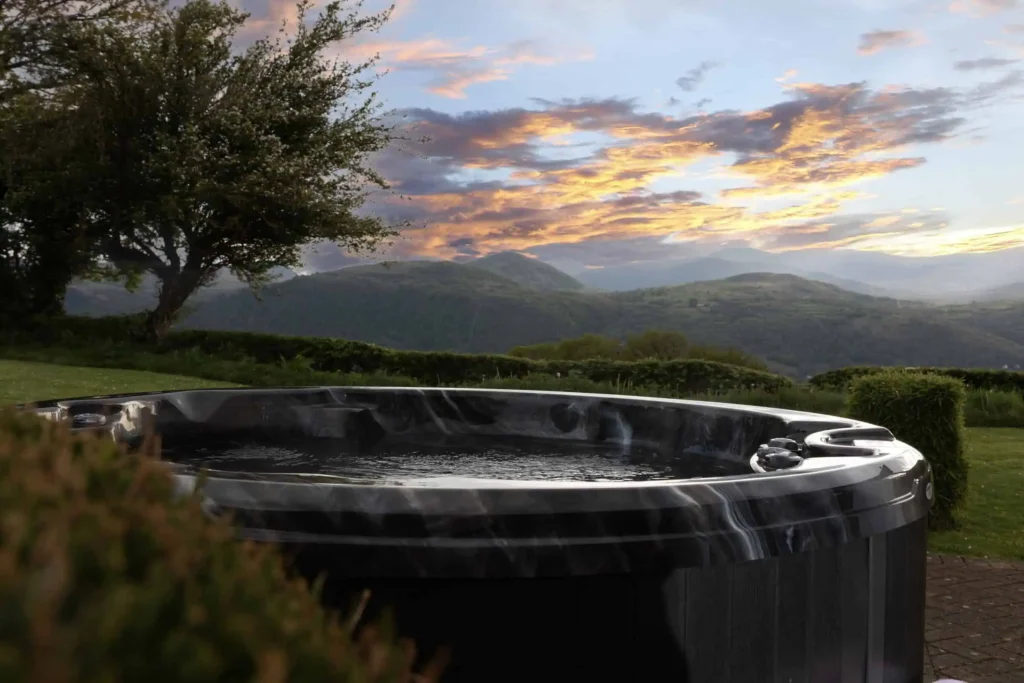
For more ideas, our North Wales guides cover family days out, rainy-day options, Conwy, Llandudno and other places to visit within easy reach of the Conwy Valley.
FAQs
How long do you need at Welsh Mountain Zoo?
The zoo recommends allowing around four to five hours. Families who stop for lunch, attend keeper talks and use the playground may stay longer.
Is Welsh Mountain Zoo suitable for pushchairs?
There are recommended pushchair routes that avoid steps where possible, but the zoo is built on a hillside and some slopes are steep. A lightweight buggy will be easier than a heavy pushchair or double buggy.
Is Welsh Mountain Zoo wheelchair accessible?
Around 70% of animal habitats are accessible to wheelchair users with support, according to the zoo. Some areas remain inaccessible because of slopes, steps, gravel and uneven terrain. Check the current accessibility information before booking if mobility is a concern.
Is parking free at Welsh Mountain Zoo?
Yes. Standard parking is currently free, with Blue Badge parking available in the central car park.
Can dogs visit Welsh Mountain Zoo?
Pet dogs aren’t permitted. Assistance dogs are allowed subject to the zoo’s assistance-dog policy.
Is Welsh Mountain Zoo open in winter?
Yes. The zoo is open throughout the year except Christmas Day, with shorter hours (10am-4pm from 3rd October 2026) outside the main season. Check current hours before travelling.