What is Bara Brith? A Guide to Wales’ Famous Speckled Bread
Published: 7 December 2025
Table of Contents
A Taste of a Welsh Afternoon
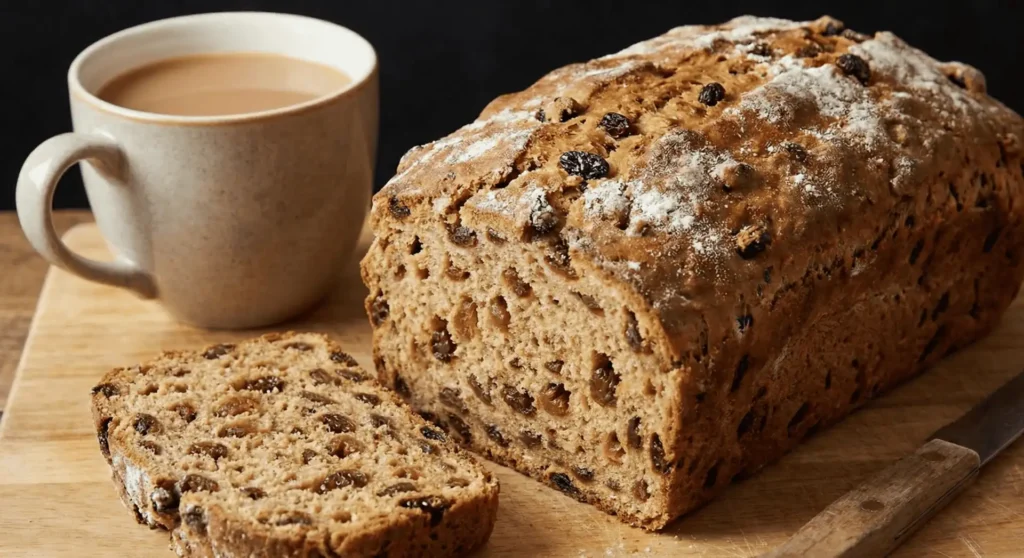
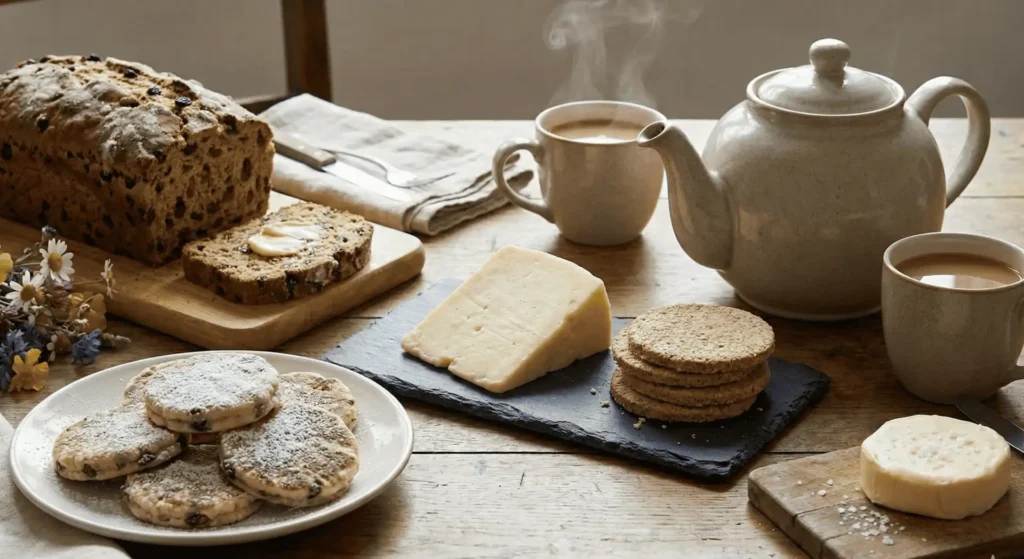
When you visit a local café or bakery in North Wales, you’ll almost certainly see “Bara Brith” on the menu. It’s a local staple, often called “Welsh teacake,” and you’ll spot it on many tables: a dark, rustic slice, usually served with butter.
It’s a rich, spiced fruit loaf, and trying it is a must for an authentic taste of Wales.
But its name, which translates as “Speckled Bread,” hints at an interesting and practical story. This isn’t some ancient recipe, but rather a brilliant example of 19th-century Welsh thrift that has been perfected over generations.
This guide answers the question: what is bara brith? Including its simple history and (most importantly) how to eat it properly and where to find the best in the Conwy Valley.
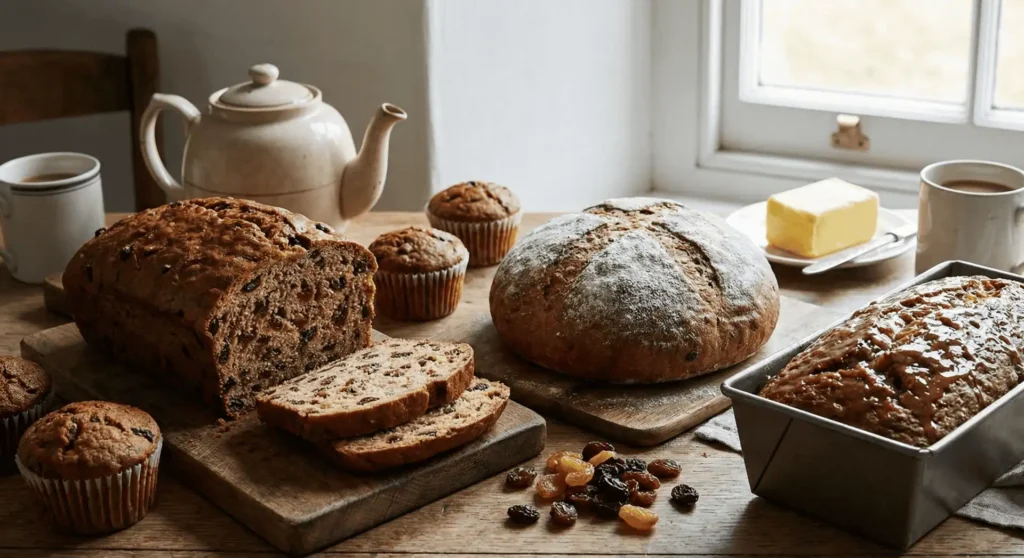
Bara Brith is a traditional Welsh fruit loaf, somewhere between bread and cake, packed with dried fruit that’s been soaked overnight in strong tea. The result is an incredibly moist, dark loaf with a subtle spiced sweetness and a texture that’s nothing like the dry fruitcakes you might be imagining.
The name comes from Welsh: “Bara” (bread) and “Brith” (speckled), referring to the fruit-speckled appearance when you slice into it.
Before we go further, let’s clear up some common misconceptions:
What Bara Brith Isn’t:
Not a fruitcake (it’s much lighter and less dense)
Not dry (if it’s dry, it wasn’t made properly)
Not sweet like cake (it’s balanced and subtle)
Not just “Welsh fruit bread” (the tea-soaking makes it unique)
Not meant to be eaten plain (more on this shortly)
Bara Brith didn’t emerge from some ancient druidic ceremony or medieval castle kitchen. Its origins are far more humble than that and far more interesting.
The story goes that Bara Brith began in the 19th century when Welsh bakers would use up leftover bread dough at the end of the day. Rather than waste it, they’d add whatever dried fruit, spices and sweetness they had on hand, creating a treat that turned scraps into something special.
This was thrift elevated to an art form. Nothing was wasted, and the result was so good it became a tradition that’s lasted over a century.
The Two Versions: A Quiet Evolution
There are two types of Bara Brith, though you’ll almost certainly only encounter one:
Traditional Yeasted Bara Brith
The original version was made with yeast, closer to bread than cake. It’s drier, more “bready,” and rarely found in cafés today. Some older Welsh families still make this version at home, but it’s become something of a rarity.
Modern Tea-Soaked Bara Brith
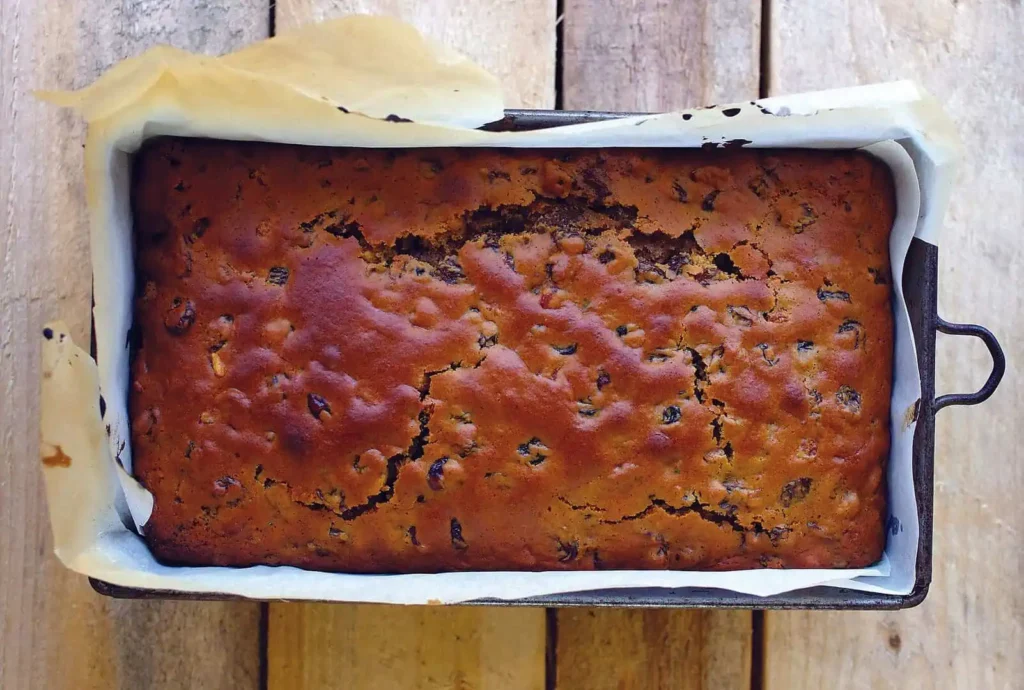
This is what you’ll find in 99% of bakeries and tearooms across North Wales. Made with self-raising flour instead of yeast, the dried fruit is soaked overnight in strong Welsh tea (sometimes with a splash of whisky or brandy), then mixed into a batter with spices, sugar and sometimes marmalade.
The result? An incredibly moist, dark loaf that keeps for days and improves after a day or two as the flavours meld together.
This modern version has become the definitive Bara Brith, and it’s what locals mean when they recommend it to visitors.
Here’s what makes Bara Brith genuinely unique: the tea.
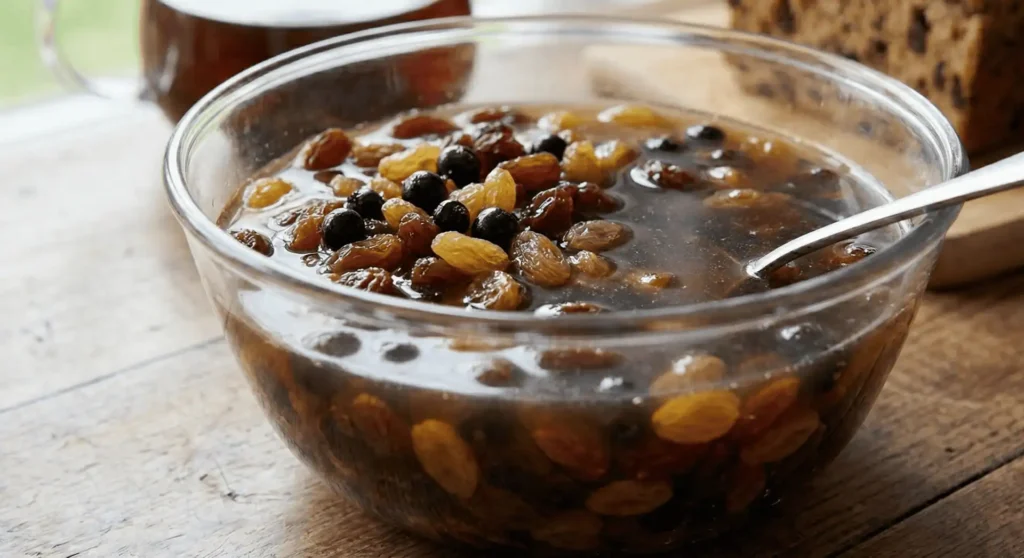
Soaking dried fruit (raisins, sultanas, currants, sometimes candied peel) in strong tea overnight does something magical. The fruit plumps up, absorbing moisture and taking on a subtle, almost caramel-like depth from the tea’s tannins. When baked into the loaf, this tea-soaked fruit creates pockets of intense sweetness and moisture throughout.
Mixed Fruit Soaking in Tea
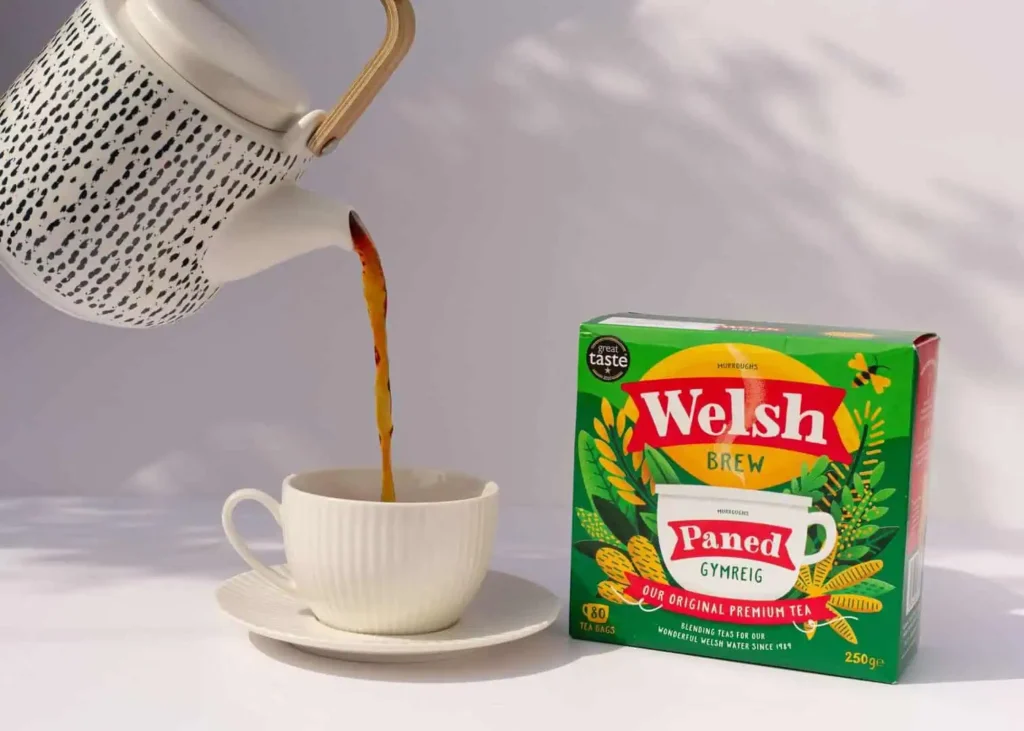
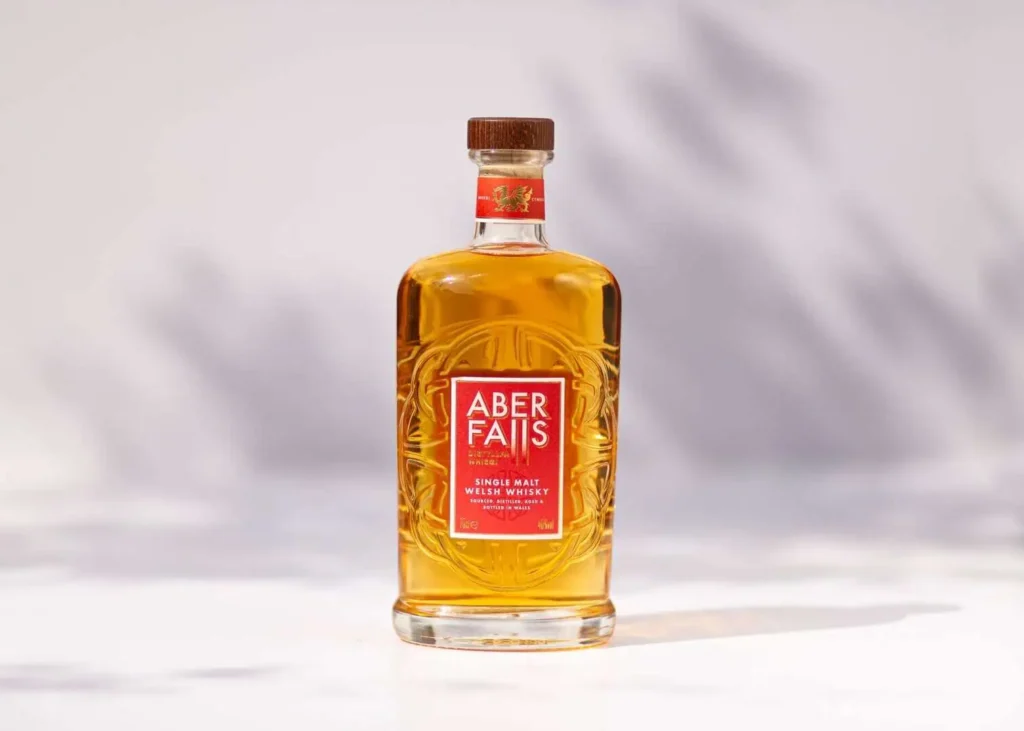
Some bakers add a splash of whisky or brandy to the tea. Others swear by strong Welsh Brew tea and nothing else. Every baker has their own method, their own ratio of fruit to tea, their own blend of spices (usually cinnamon, nutmeg and mixed spice).
This is why no two Bara Briths taste quite the same. It’s the same recipe, but it’s also completely different – a reflection of the baker’s hand and their family tradition.
And this is what makes finding a good Bara Brith such a pleasure. When you find one that’s perfectly spiced, beautifully moist and expertly balanced, you’ll understand why locals are fiercely loyal to their favourite baker.
Here’s where visitors often get it wrong. Bara Brith isn’t meant to be eaten like a slice of Victoria sponge or a piece of banana bread. There are rules – not many, but they matter.
Rule 1: Never Eat It Plain
Bara Brith is not designed to be eaten unadorned. If someone serves it to you without butter, they don’t understand it. Politely ask for butter, or find somewhere else.
Rule 2: It Must Be Buttered Generously
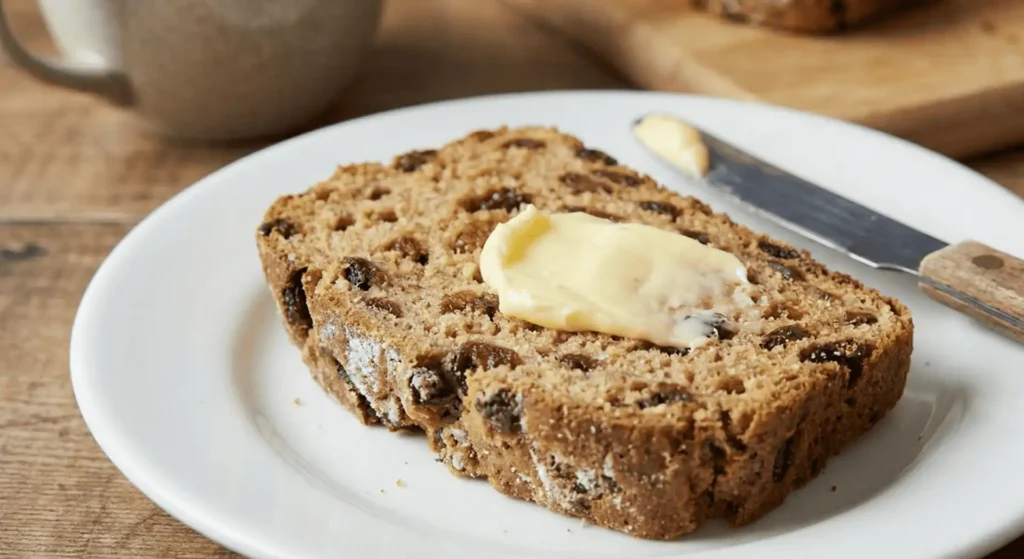
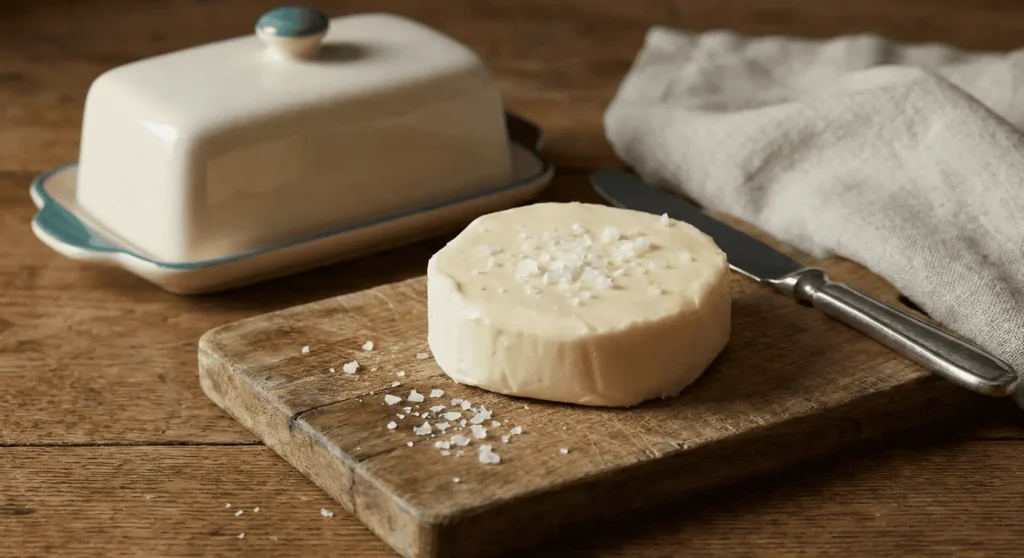
The only proper way to eat Bara Brith is in slices (not too thick, not too thin, about 1cm) spread generously with salted Welsh butter.
Not margarine. Not a thin scraping of butter. Proper, salted Welsh butter, applied with confidence!
Why Butter Is Non-Negotiable
A slice of Bara Brith without butter is like tea without milk: technically possible, technically wrong.
The rich, salted Welsh butter melts slightly into the warm slice (if it’s been gently toasted or is fresh from the oven), creating pockets of creamy saltiness that cut through the sweet, tea-soaked fruit. The texture contrast (soft, moist cake against smooth butter) is what makes every bite perfect.
The saltiness of the butter balances the sweetness of the fruit. The richness of the butter complements the subtle spice. This isn’t indulgence; it’s the recipe working as intended.
Salted Welsh Butter
When to Eat It
Bara Brith is the classic 3pm treat in Wales, served with a “paned” (a cup of tea). This is the traditional Welsh afternoon break – a moment to pause, sit down and enjoy something simple and comforting.
That said, there are no hard rules. Locals eat it for breakfast, as a mid-morning snack, or even as a late-night treat with cheese (more on that controversy shortly). But if you want the full, authentic experience, make it part of your afternoon tea.
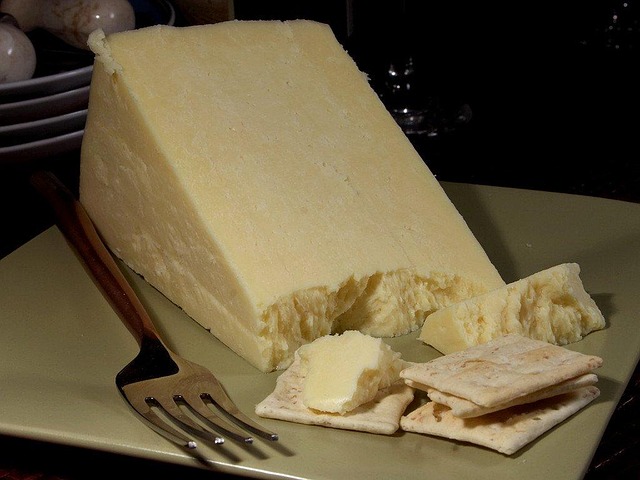
While butter is the traditional accompaniment, some North Walians, particularly in rural communities, insist that Bara Brith is even better with a slice of mature Caerphilly or sharp Cheddar cheese.
The sharp, crumbly cheese against the sweet, tea-soaked fruit creates an entirely different experience – more substantial, almost savoury. It transforms Bara Brith from a teatime treat into something closer to a ploughman’s lunch.
You won’t often find this served in tearooms, but it’s worth trying at your cottage. Buy a good Welsh cheese (Caerphilly is traditional, but any mature hard cheese works), slice your Bara Brith and experiment.
There’s no wrong answer here, though butter purists might tell you otherwise. Wales is a country of strong opinions about food – this is just one more friendly argument to join.
Where to Find the Best Bara Brith in the Conwy Valley
This is where your holiday research matters. Because while you can buy Bara Brith in any supermarket across Wales, supermarket versions are dry, characterless and a poor introduction to the real thing.
You need to buy from a local producer who makes it fresh, uses proper tea-soaked fruit and understands what Bara Brith should taste like.
Here are our tried-and-tested recommendations:
For Taking Back to Your Cottage
Local Bakeries
Traditional Welsh bakeries are your best bet. These are the places that have been making Bara Brith for decades, using family recipes passed down through generations. Ask your cottage host for their current favourite – bakeries can change hands, and quality can vary.
In Llanrwst, Conwy and the smaller towns around the Conwy Valley, you’ll find bakeries producing fresh loaves daily. Look for a dark, moist loaf (not pale or dry-looking) and ask when it was baked – the fresher, the better, though Bara Brith actually improves after a day.
Expect to pay around £4-6 for a whole loaf. It’ll keep for 5-7 days wrapped in foil.
Scilicorns Bakery
A great place to start is Scilicorns Bakery in Llanrwst. It’s a classic, third-generation family bakers, and that sense of tradition is exactly what you want when looking for Bara Brith. In fact, they bake all their products in their 100-year-old oven, which tells you everything you need to know about their commitment to their craft. This is an excellent, authentic choice for picking up a fresh loaf to take back to the cottage.
Bodnant Welsh Food Centre
Located on the Bodnant Estate (separate from Bodnant Garden, with its own entrance and parking), the food centre’s deli counter stocks excellent Bara Brith from local producers. The staff are knowledgeable and can tell you which is freshest that day.
This is also the perfect place to pick up proper Welsh butter, artisan cheeses and everything else you need for a proper Welsh afternoon tea back at the cottage.
Distance from our cottages for both: 10 minutes
Bodnant Welsh Food
For Eating In
Tu Hwnt i’r Bont, Llanrwst
This iconic 15th-century vine-covered cottage beside the Pont Fawr bridge is now a National Trust tearoom, and their Bara Brith is excellent. Served warm with proper Welsh butter, eaten in one of the most photographed buildings in North Wales – this is the full experience.
It’s popular, especially in summer, so arrive outside peak times if you can.
Distance from our cottages: 12 minutes
Independent Tearooms in Betws-y-Coed
Several tearooms in Betws-y-Coed serve home-baked Bara Brith, and many bake it fresh daily. Look for blackboard specials advertising “today’s Bara Brith” or ask staff if theirs is homemade. If they serve it unbuttered or can’t confirm it’s homemade, that’s your sign to try elsewhere.
Distance from our cottages: 15 minutes
What to Avoid
Loaves that look pale or dry – Bara Brith should be dark, moist and richly coloured.
Supermarket versions – They’re dry and lack character. Don’t judge Bara Brith by these.
Pre-packaged slices – Always buy the whole loaf from a bakery.
Anywhere that serves it unbuttered – They don’t understand what they’re serving!
While we always recommend buying from local bakers first (it supports Welsh businesses and lets you taste an expert’s version), you might be inspired to try baking it back at home.
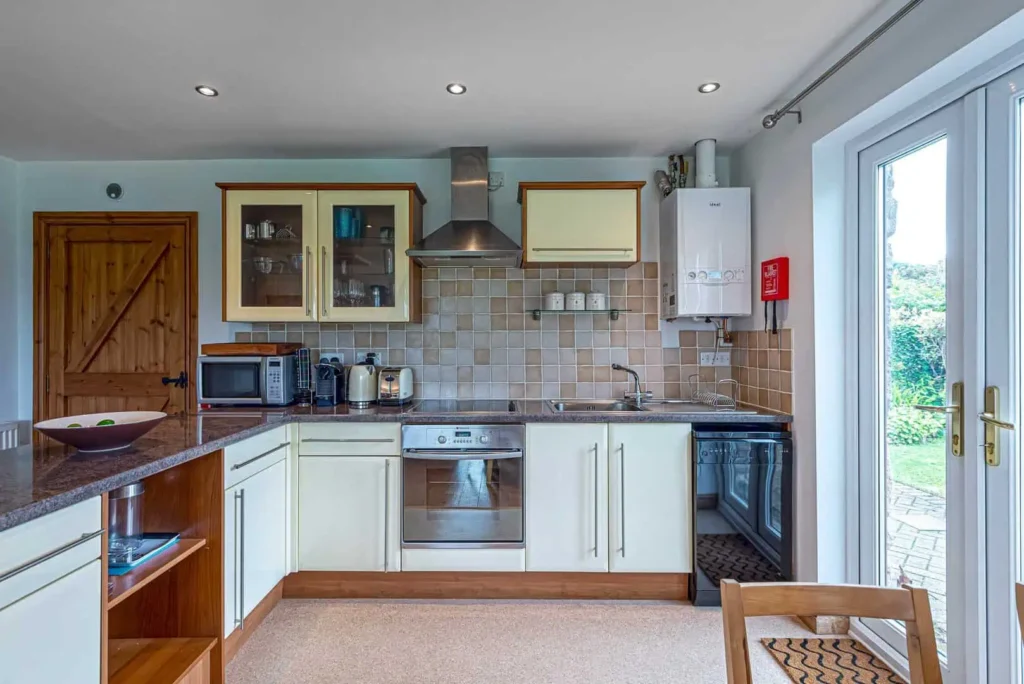
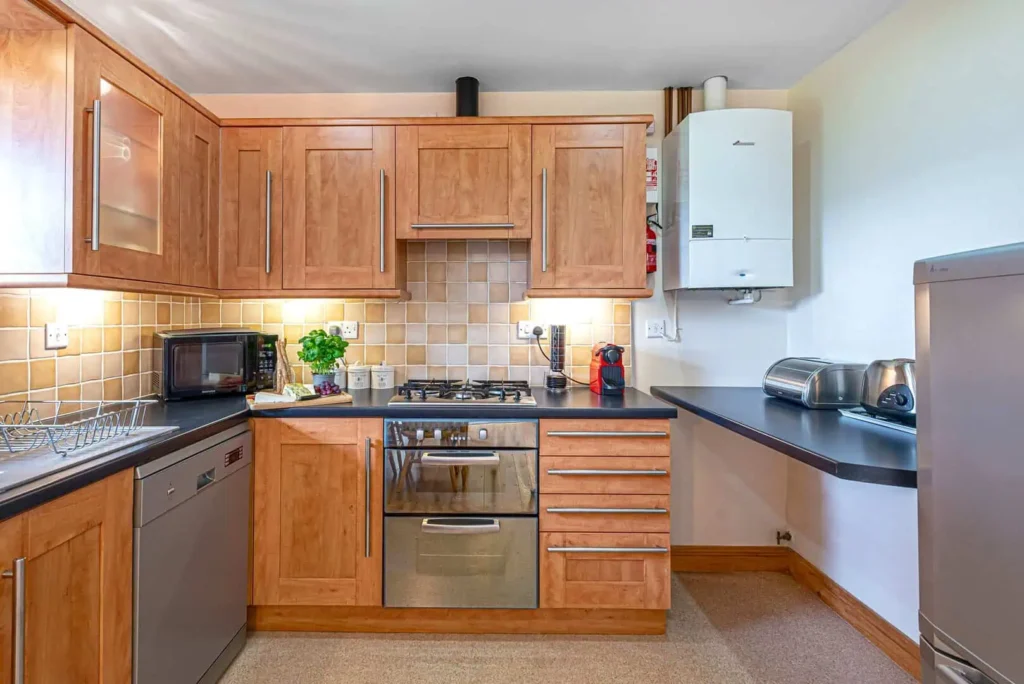
Our cottages have fully equipped kitchens, so you certainly have the tools if you want to try. A good Bara Brith recipe relies on a long overnight soak for the fruit, so it isn’t a quick or simple bake.
Our advice? Buy a loaf from Scilicorns to enjoy during your stay. After trying the 100-year-old oven version, you’ll have the perfect benchmark for when you get home.
Bara Brith is more than just a cake; it’s a genuine, unpretentious taste of Welsh tradition. It’s a perfect example of the thrift and practicality that runs deep in the history of the region.
For visitors, it’s a simple, tangible way to connect with the local culture. After a day of exploring, putting the kettle on and sitting down to a proper slice of Bara Brith (buttered, of course) is a relaxing, authentic experience.
Picking up a loaf from a local bakery is a simple mission for your holiday. It’s the perfect treat to bring back to your cottage and a true taste of North Wales. And if you love it as much as most visitors do, you’ll find it’s one of those food memories that brings you right back to the Conwy Valley.
Bara Brith is just the beginning of North Wales’s food culture. Browse our Eat & Drink guides for more on the Conwy Valley’s food scene, from historic pubs to farm shops and everything in between.
And if you’re planning your first visit, our Local’s Guide to the Perfect Trip covers all the essentials for making the most of your stay.
It’s Welsh for “Speckled Bread” (“Bara” = bread, “Brith” = speckled). It simply refers to the appearance of the dried fruit “speckled” throughout the loaf when you slice it.
Is Bara Brith just a type of fruitcake?
No, and this is where most people get it wrong. A proper Bara Brith is much lighter, moister and less dense than a heavy, rich fruitcake. The key difference is that the fruit is soaked overnight in strong tea, which makes the entire loaf uniquely moist.
Do you eat Bara Brith with butter?
Yes, this is the one “rule” we’d stick to. It’s not designed to be eaten plain. A generous layer of salted Welsh butter is essential. The saltiness balances the sweet, tea-soaked fruit and is a non-negotiable part of the experience.
What is the difference between Bara Brith and tea cake?
Bara Brith specifically uses tea-soaked fruit (soaked overnight in strong black tea) and mixed spices like cinnamon, nutmeg and mixed spice. This gives it a unique flavour and moisture that generic tea cakes don’t have. The tea-soaking process is what makes it distinctly Welsh.
How long does Bara Brith keep?
A well-made Bara Brith will easily keep for 5-7 days when stored in an airtight container or wrapped in foil at room temperature. Many people say it tastes better after a day or two, as the flavours develop and the texture becomes even more moist and sticky. Don’t refrigerate it, as this will dry it out.
Seasonal notes, local places worth knowing and occasional news and offers.
One email every two months. Unsubscribe at any time. See our privacy policy for how we look after your details.
Where to stay
Two Cottages. Three Ways to Stay.
SLEEPS 5 · PRIVATE HOT TUB · VALLEY VIEWS · 2 DOGS
Fig Tree
VIEW FIG TREE
SLEEPS 4 · PRIVATE HOT TUB · VALLEY VIEWS · 2 DOGS
Laurel
VIEW Laurel
BOTH COTTAGES · SLEEPS 9 · 2 HOT TUBS · PRIVATE POOL · 4 DOGS
The Entire Getaway
Two cottages, two hot tubs and the indoor pool. Exclusively yours.
View the Entire Getaway
We Value Your Privacy
To provide the best experiences, we use technologies like cookies to store and/or access device information. Consenting to these technologies will allow us to process data such as browsing behaviour or unique IDs on this site. Not consenting or withdrawing consent, may adversely affect certain features and functions.
Functional
Always active
The technical storage or access is strictly necessary for the legitimate purpose of enabling the use of a specific service explicitly requested by the subscriber or user, or for the sole purpose of carrying out the transmission of a communication over an electronic communications network.
Preferences
The technical storage or access is necessary for the legitimate purpose of storing preferences that are not requested by the subscriber or user.
Statistics
The technical storage or access that is used exclusively for statistical purposes.The technical storage or access that is used exclusively for anonymous statistical purposes. Without a subpoena, voluntary compliance on the part of your Internet Service Provider, or additional records from a third party, information stored or retrieved for this purpose alone cannot usually be used to identify you.
Marketing
The technical storage or access is required to create user profiles to send advertising, or to track the user on a website or across several websites for similar marketing purposes.