Next time you’re driving the A5 through the Ogwen Valley, pull over at one of the lay-bys. Get out of the car. Look up at the mountains on either side.
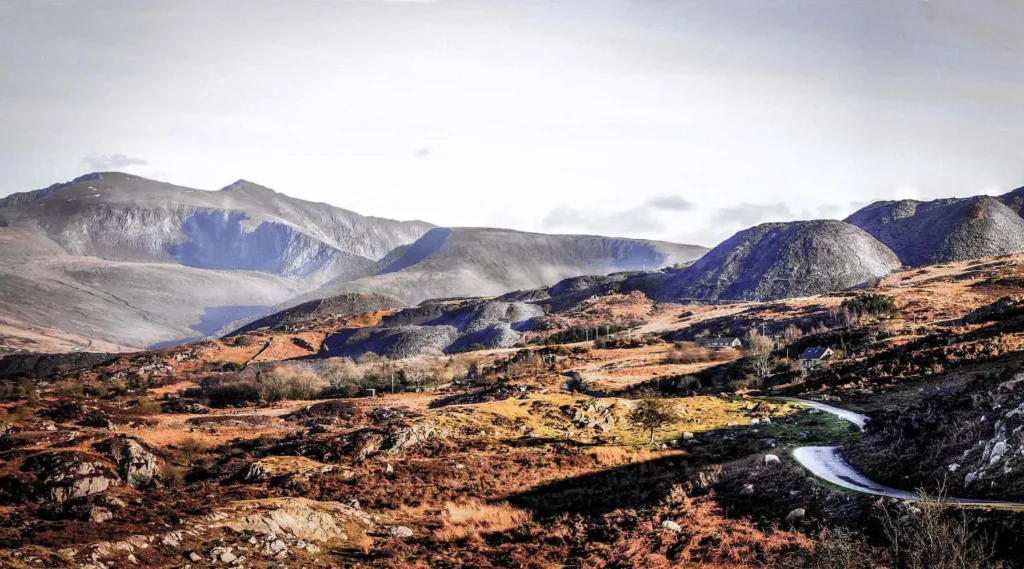
Those purple-grey peaks, the stepped terraces carved into the hillsides, the pyramid-shaped heaps near Blaenau Ffestiniog – they’re not natural.
They’re scars. Monuments. The remains of an industry that roofed the 19th-century world.
Most visitors drive straight past without realising what they’re looking at. Once you understand the story, you can’t unsee it. And the landscape becomes infinitely more fascinating.
What Is the Welsh Slate Landscape?
In July 2021, the Slate Landscape of Northwest Wales became a UNESCO World Heritage Site. Not one place you can pin on a map, but six vast industrial landscapes spread across Gwynedd.
By the 1890s, Welsh quarries employed 17,000 workers and produced a third of all roofing slate used worldwide. A third. Welsh slate covered London terraces, New York warehouses, Copenhagen City Hall, Melbourne’s Royal Exhibition Building. Without it, the rapid urbanisation of the Industrial Revolution couldn’t have happened at the pace it did.
The slate industry didn’t just shape roofs. It shaped entire communities. Villages sprang up around the quarries: Bethesda, Llanberis, Blaenau Ffestiniog. Chapel culture thrived, the Welsh language flourished and still does – at least 70% of the local population speak Welsh today.
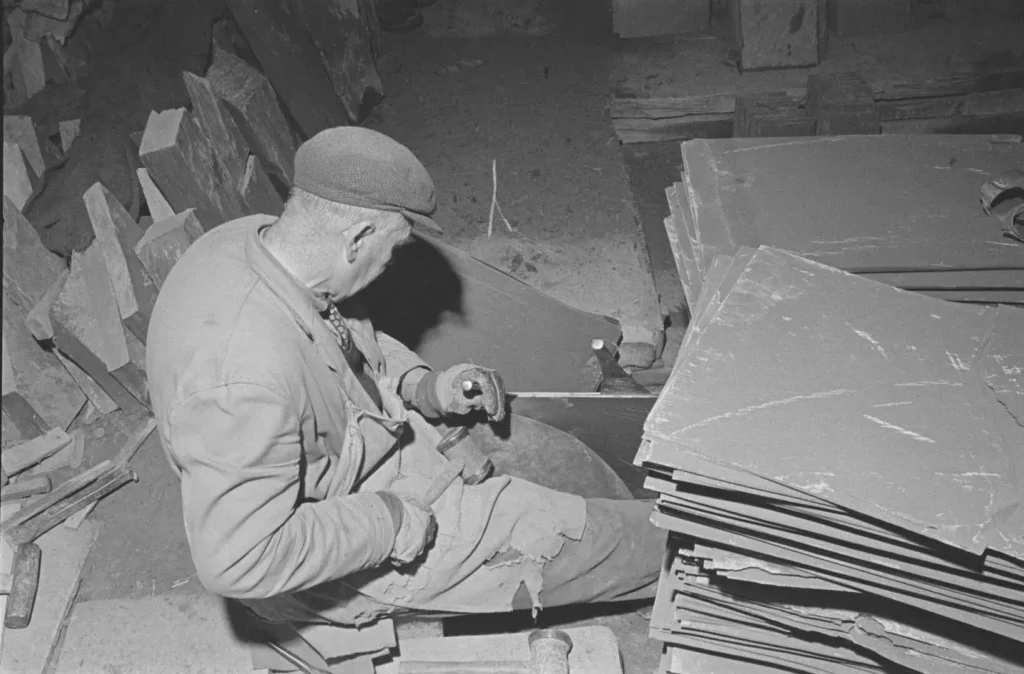
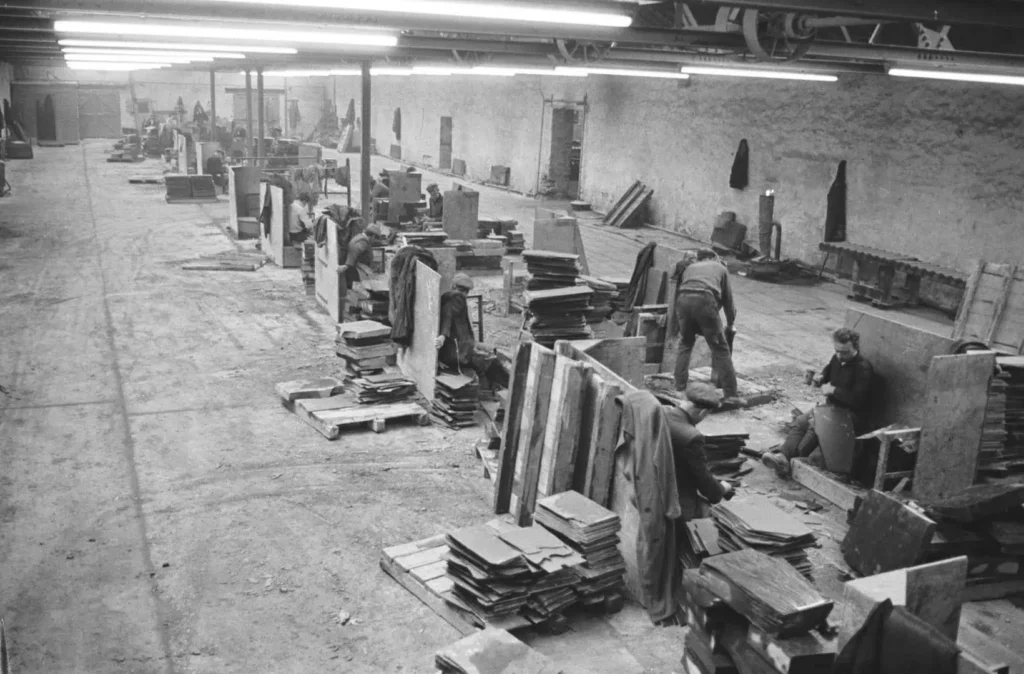
Life was brutal. Men worked long hours splitting slate with hand tools, balancing on narrow ledges hundreds of feet above quarry floors. The longest industrial dispute in British history, the Great Strike of 1900–1903 at Penrhyn Quarry, marked the beginning of the industry’s decline.
Reading the Landscape: What You’re Actually Looking At
The Terraces
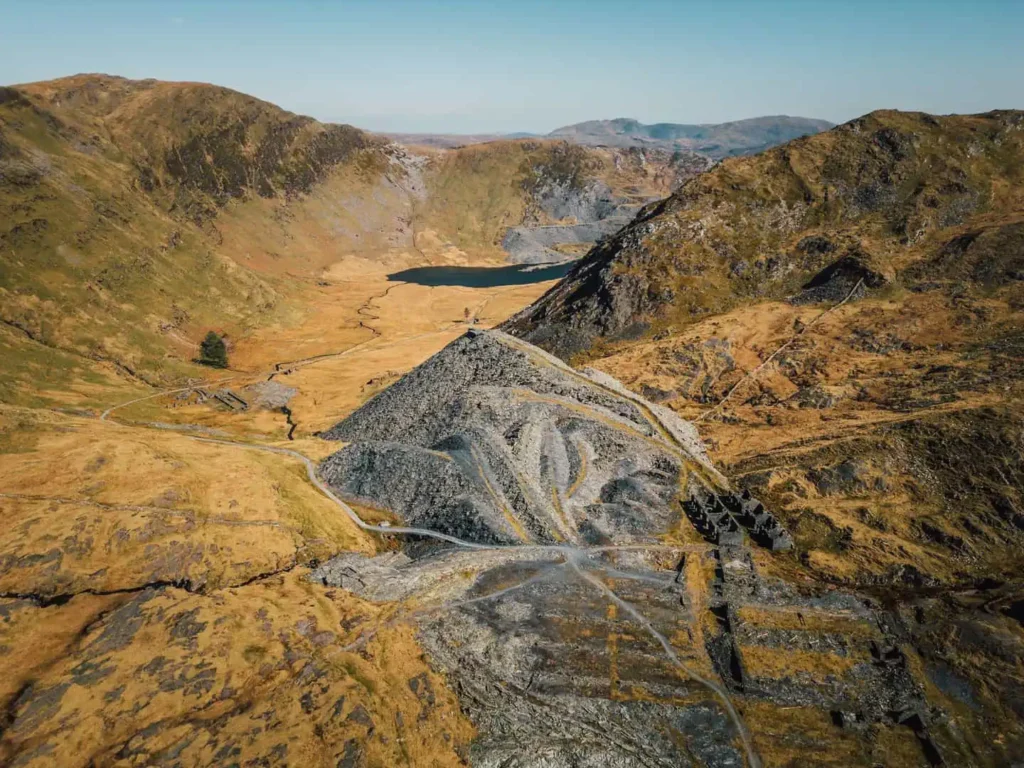
Drive past Dinorwig Quarry near Llanberis and you’ll see the mountainside carved into dramatic stepped galleries. These aren’t natural formations. They’re the result of decades of extraction, each terrace representing years of work by hand.
The pattern is unmistakable once you recognise it: neat horizontal lines cutting across the natural slope, creating an almost architectural quality to the mountain.

Spoil Heaps
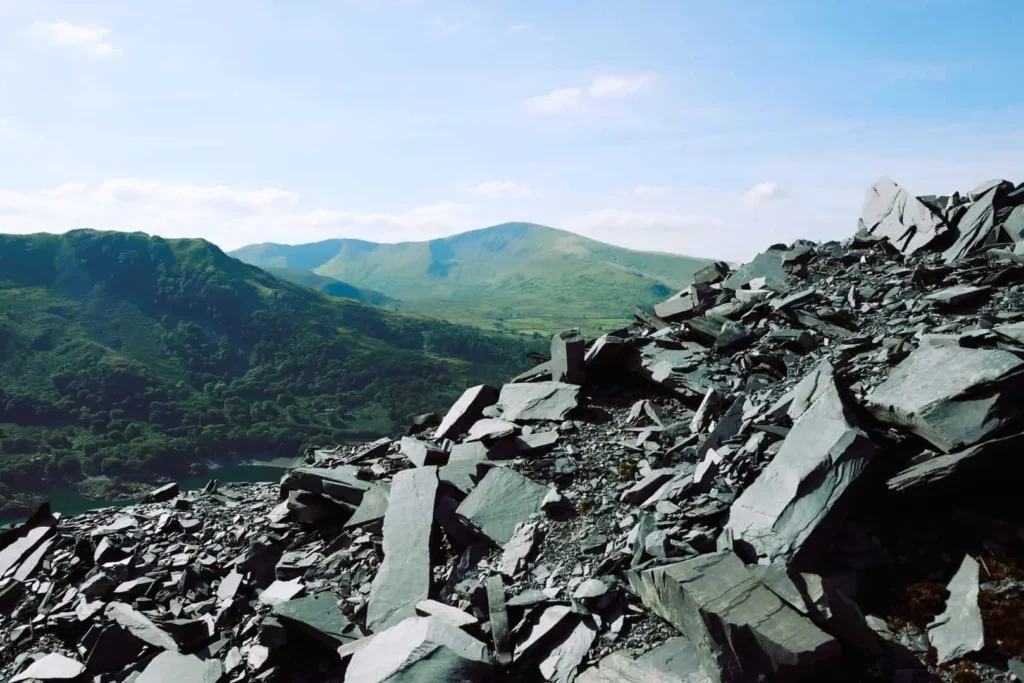
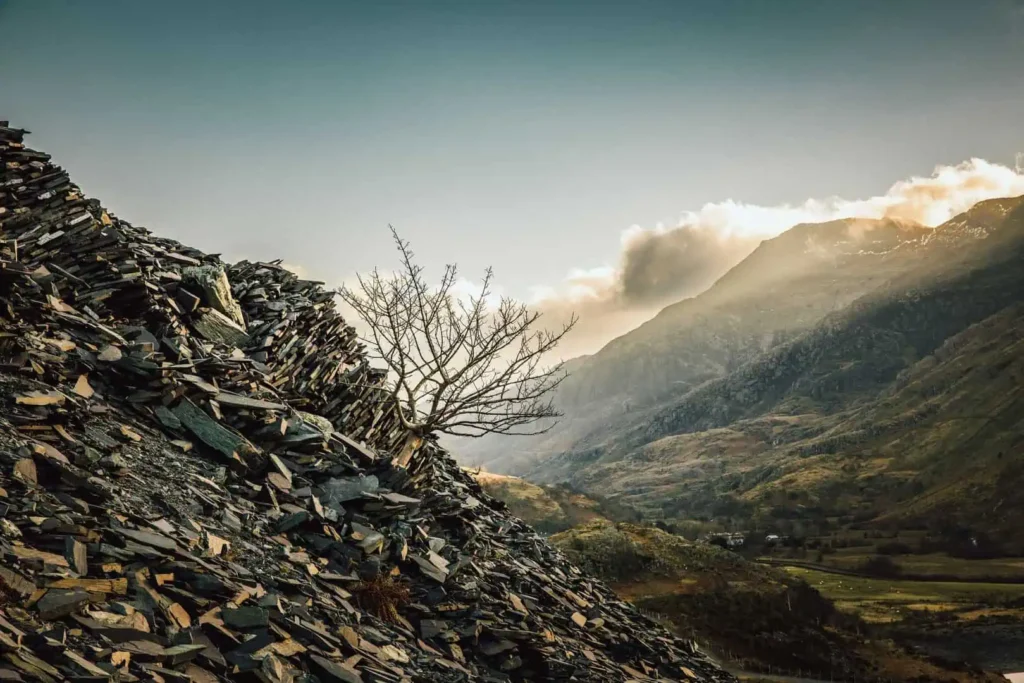
Those iconic grey pyramids? They’re waste rock. Only a small percentage of extracted rock was usable slate; the rest was piled into these distinctive conical heaps that now define the visual character of the area. Some rise to extraordinary scale. Monuments to the sheer volume of what was removed.
Engine Houses, Mills & Tramways
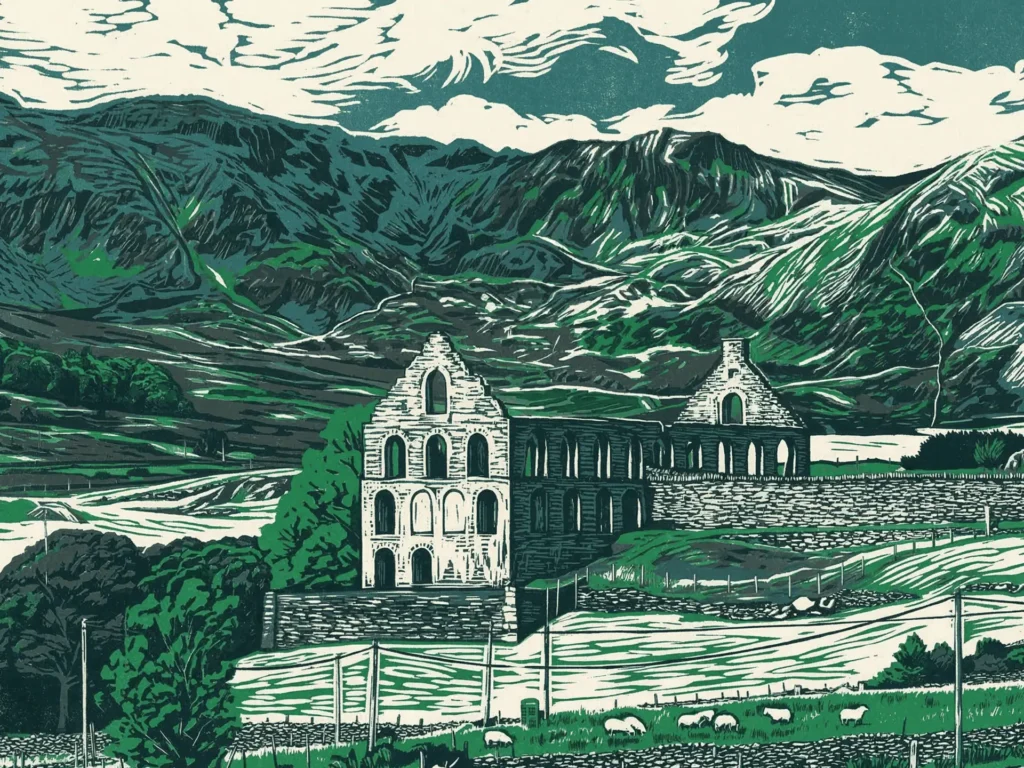
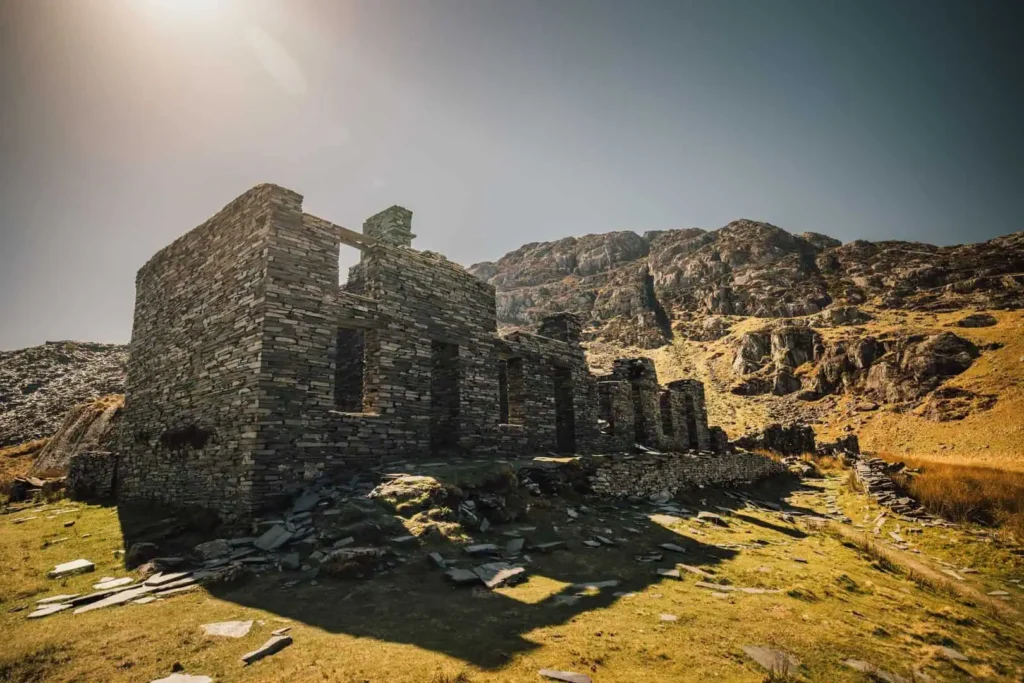
Scattered across the hillsides are stone-built ruins: engine houses that once powered winding gear and pumps, processing mills where slate was split and shaped, tramway routes carved into hillsides, incline paths zigzagging up slopes, and ruined barracks where workers sheltered.
The Colour: Why Everything Is Purple-Grey
That distinctive hue? That’s 500-million-year-old slate.
The slate formed from compressed clay and volcanic ash under immense tectonic pressure. The unique geological conditions in Northwest Wales created some of the highest-quality slate ever discovered, dense, durable, and able to be split into thin, lightweight sheets perfect for roofing. The colour comes from the minerals in the original clay, and it’s that quality that made Welsh slate so desirable worldwide.
Where to Experience the Slate Landscape
The slate landscape isn’t something you simply look at. It’s something you explore, walk through, immerse yourself in.
Llanberis & Dinorwig Quarry
What: Once the second-largest slate quarry in the world.
Why Visit: The National Slate Museum sits in the original Dinorwig workshops. When it reopens in Spring 2027 (it’s currently closed for improvements), it’ll once again be the best free rainy-day option in North Wales. No entry fee, fascinating working demonstrations of slate splitting by skilled craftsmen and enough cover to keep you dry for hours. Check the website for the latest reopening updates before you travel.
Read about why Dinorwig Quarry works so well as a film location in our guide House of the Dragon Season 3: Where Westeros Comes to Life in North Wales.


Until then, if you want the full underground slate experience on a rainy day, head to Llechwedd in Blaenau Ffestiniog (see below). The Deep Mine Tour is the best immediate alternative for understanding what life was like for the quarrymen.
In the meantime, Padarn Country Park remains open and offers walking routes with spectacular views of the quarry terraces. The zigzag path up to the Anglesey Barracks gives you the best view without a strenuous climb.
Practical Information:
- Parking: Large free car park at the museum (LL55 4TY). Arrive before 10am in summer.
- Distance from cottages: 50 minutes.
Once it reopens, it’ll be back on our list of favourite rainy day activities, and it won’t cost you a penny. Until then, the quarry itself and the surrounding walks are still well worth the drive.
Blaenau Ffestiniog
What: The slate capital. The town sits surrounded by vast grey mountains of waste rock.
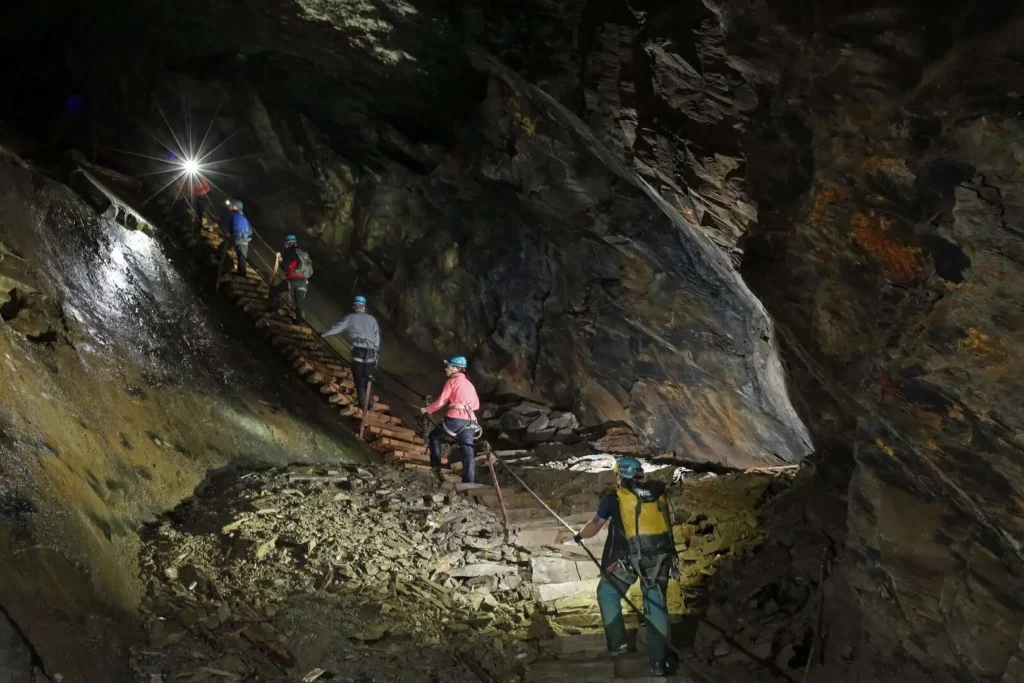
Why Visit: This is where the industry feels most dramatic and the scenery is otherworldly. For the full underground experience, Llechwedd Slate Caverns offers the Deep Mine Tour: you descend 500ft underground on Europe’s steepest cable railway into hand-carved Victorian chambers. The scale and silence does something that photographs don’t prepare you for.
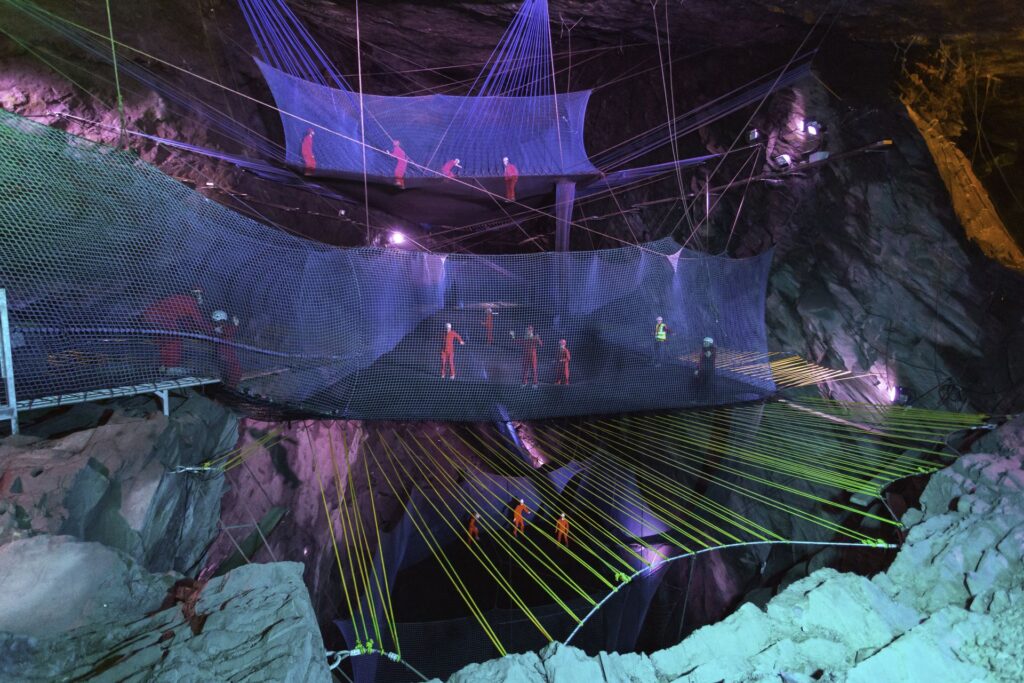
If you’re chasing adrenaline, the same site offers Bounce Below (trampolines suspended in a cavern twice the size of St Paul’s Cathedral) and Titan (a 1km-long zip line soaring over the quarry). Llechwedd is one of three Zip World sites in North Wales, and our comparison of all three is worth a look if you’re planning which one to book.
Practical Information:
- Booking: All Llechwedd activities must be booked in advance, often weeks ahead in peak season. It’s cold underground (around 8°C) even in summer, so bring layers and gloves.
- Distance from cottages: 40 minutes.
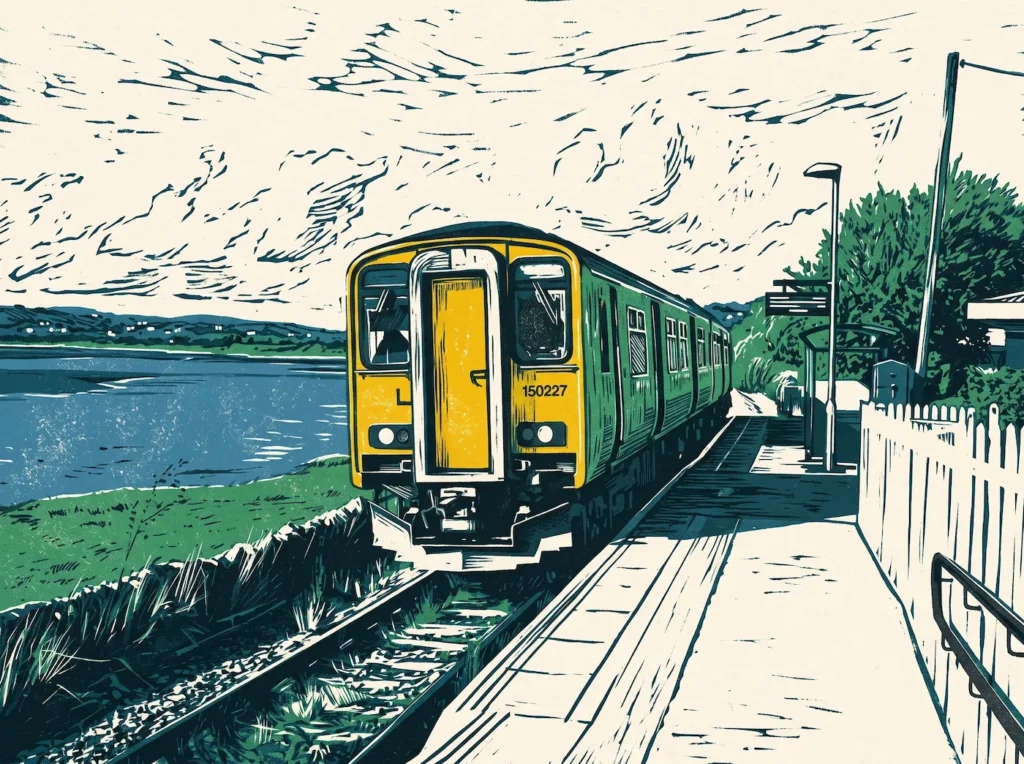
For a unique car-free day trip, take the scenic Conwy Valley Railway directly from the valley to Blaenau Ffestiniog station.
Penrhyn Quarry, Bethesda
What: The largest slate quarry in the world at its peak.
Why Visit: The viewing area off the A5 near Bethesda gives you a jaw-dropping perspective on the scale of extraction. The quarry is still partially operational, but the old workings are vast, flooded and dramatic.
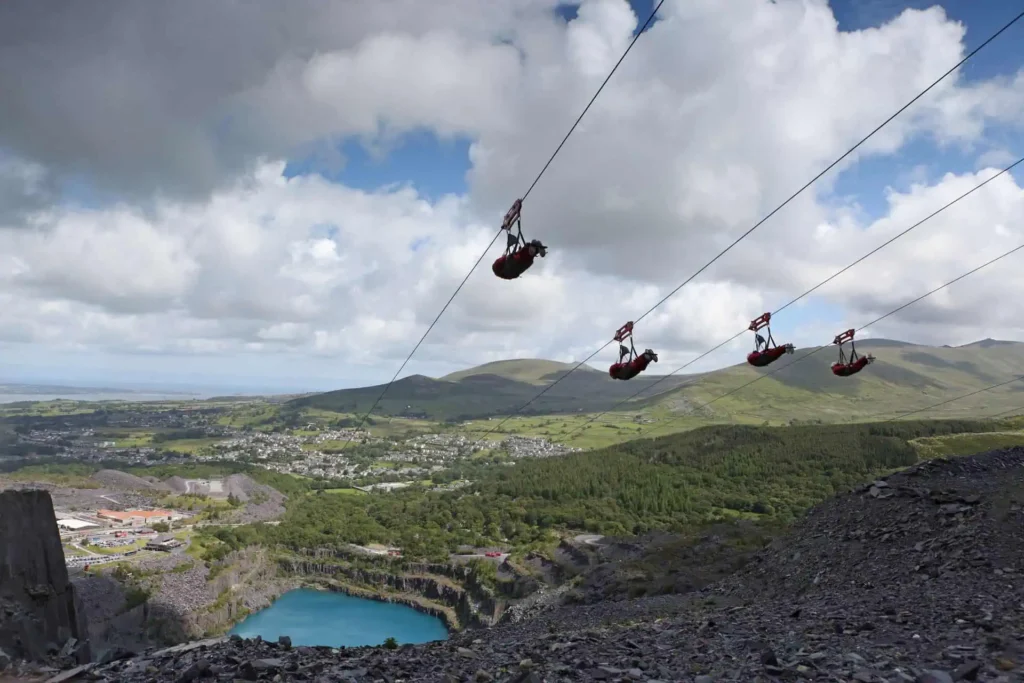
For thrill-seekers, Zip World Velocity offers the world’s fastest zip line, reaching up to 100mph across the quarry. Terrifying and exhilarating in equal measure.
Practical Information:
- Parking: Free viewing area car park (LL57 4YE).
- Distance from cottages: 45 minutes.
The Ogwen Valley
What: A dramatic mountain valley carved by slate extraction on both sides.
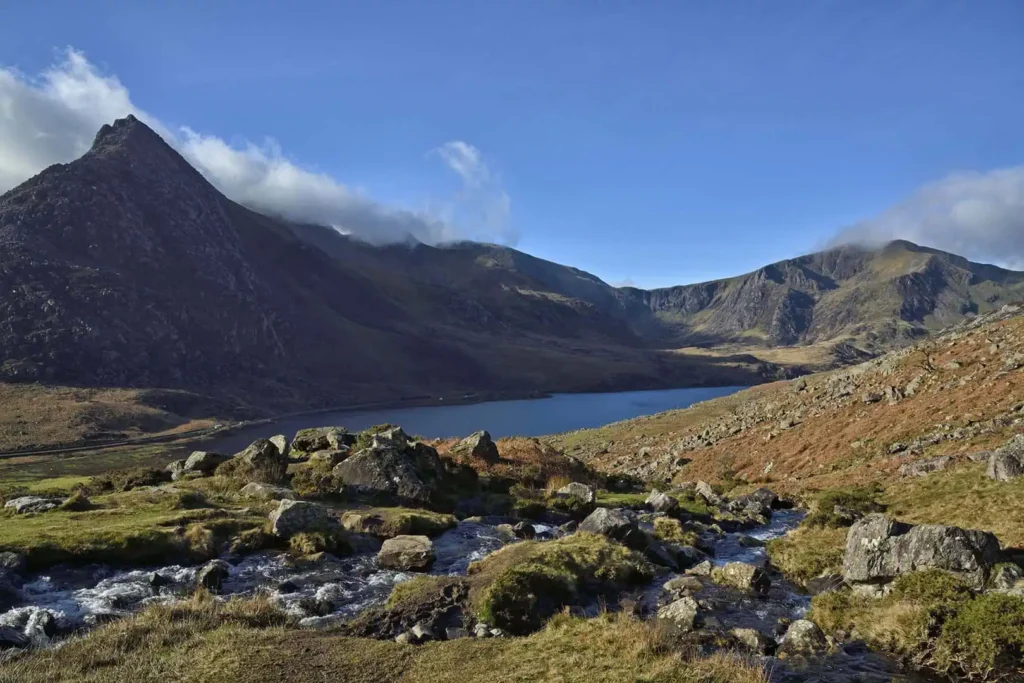
Why Visit: This is where you see the industrial story in context, with purple-grey terraces rising from the valley floor, framed by the wild peaks of the Glyderau. Less touristy than the dedicated quarry sites and easier to access.
The A5 cuts straight through. Pull into the lay-bys for photos and short walks.
Practical Information:
- Distance from cottages: 35 minutes.
The Other Side of Slate: Where the Money Went
While the quarries tell the workers’ story, there’s another chapter to this landscape: the extraordinary wealth the industry generated.
Penrhyn Castle: The Castle Built on Slate
This isn’t a medieval fortress. Penrhyn Castle is a lavish neo-Norman fantasy, built between 1820 and 1837 for the Pennant family on the proceeds of the slate industry.
The scale of opulence is hard to overstate: a 115-foot keep dominates the skyline, and inside, cavernous rooms are filled with elaborate carvings, stained glass and even a four-poster bed made entirely of slate, weighing over a ton, designed for Queen Victoria’s visit.
The National Trust, who now manage the property, don’t shy away from the difficult history. The castle was built on slate wealth, and also on the family’s historical connections to Jamaican sugar plantations. The Great Strike of 1900–1903, the longest industrial dispute in British history, began when workers at Penrhyn Quarry fought for better conditions. Standing in the opulent state rooms, then remembering those men splitting slate by hand in freezing quarry galleries, completes the picture.
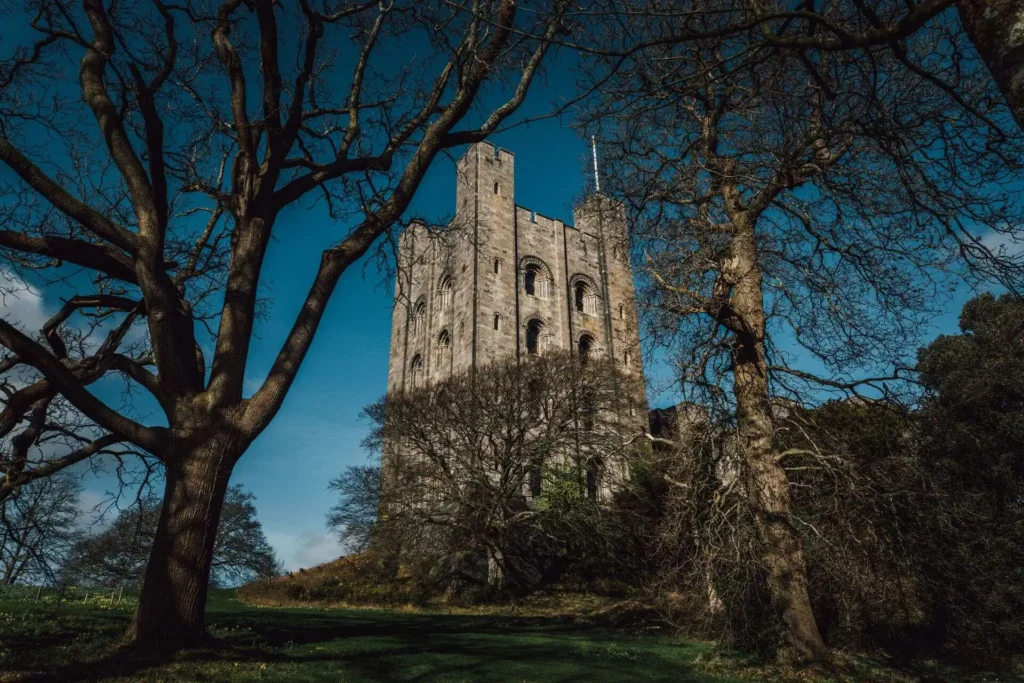
Why Visit: You see where the slate came from and where the money went. The contrast couldn’t be starker. The castle also makes an excellent rainy-day option, with indoor galleries, Victorian kitchens and a railway museum to explore.
Want to dig deeper into North Wales’ castles? Read The Iron Ring: A Visitor’s Guide to North Wales’ UNESCO World Heritage Castles.
Practical Information:
- Location: Near Bangor (LL57 4HT)
- Entry: National Trust property (free for members, otherwise entry fee applies)
- Distance from cottages: 50 minutes
- Time needed: 2–3 hours
Walking the Slate Landscape
The best way to understand the scale and drama is on foot.
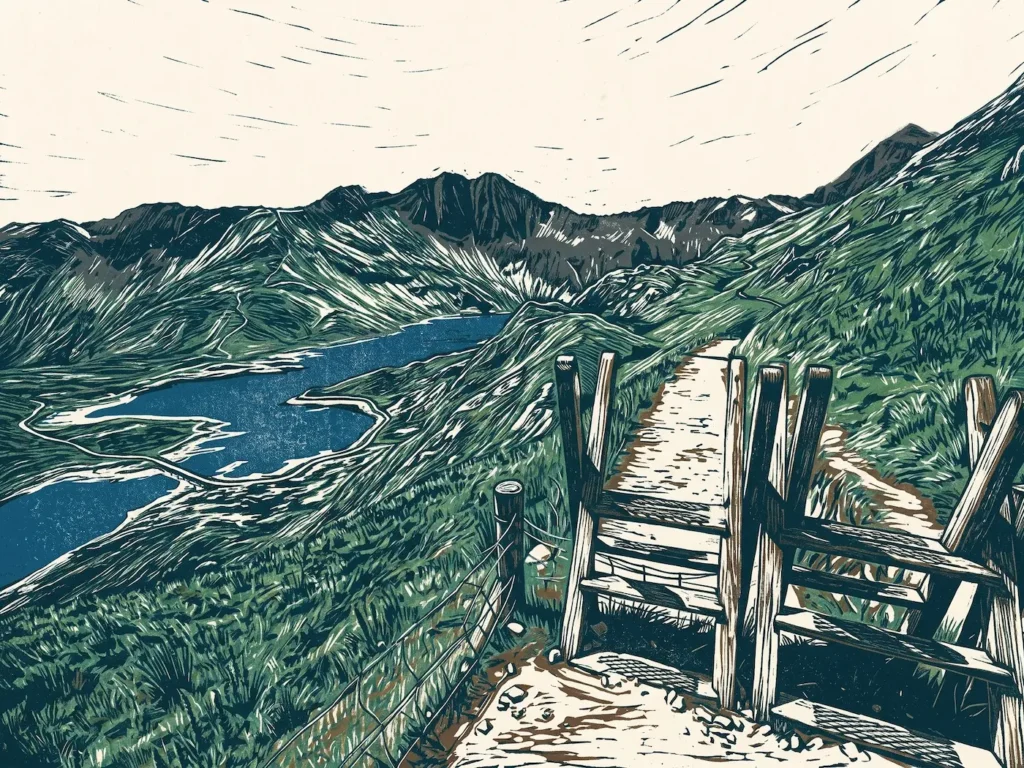
The Snowdonia Slate Trail is a waymarked network connecting all six World Heritage Site areas. You don’t have to walk the whole thing: short sections offer dramatic viewpoints and atmospheric walks through old quarry workings.
Numerous paths around individual quarries follow old tramways and quarry routes, many with interpretation boards explaining what you’re looking at.

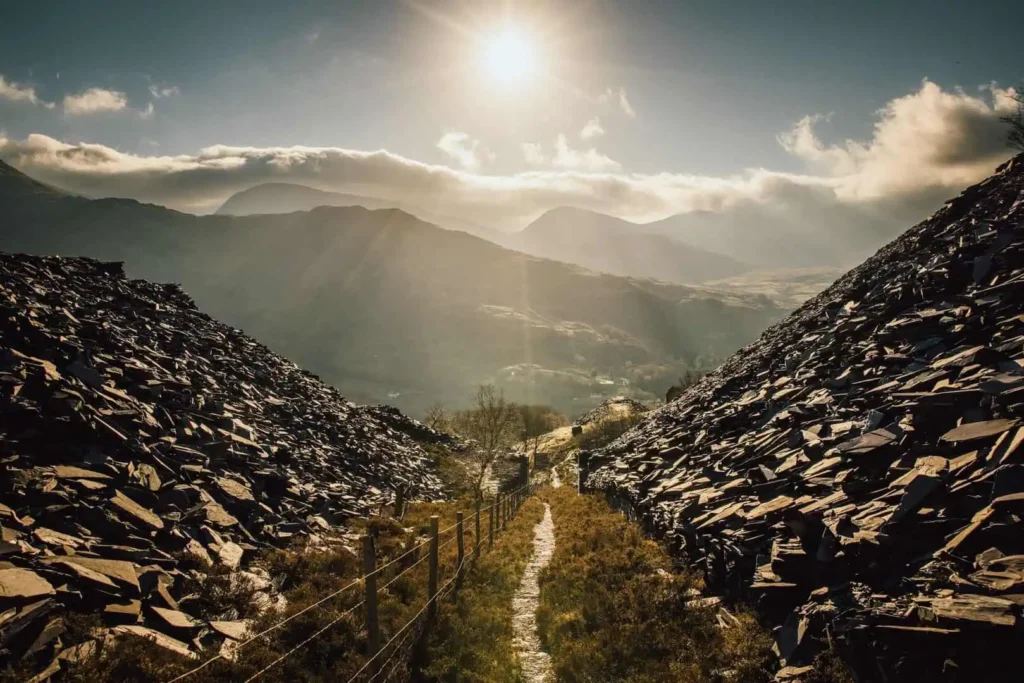
Safety Note: Stick to marked paths. These are vast industrial sites with loose slate, sheer drops and extremely deep, cold quarry lakes. Slate is slippery when wet, so wear proper walking boots, and never swim in the quarry pools – they’re far deeper and colder than they appear.
Your Conwy Valley Connection
From our cottages, you’re perfectly positioned to explore this World Heritage area.
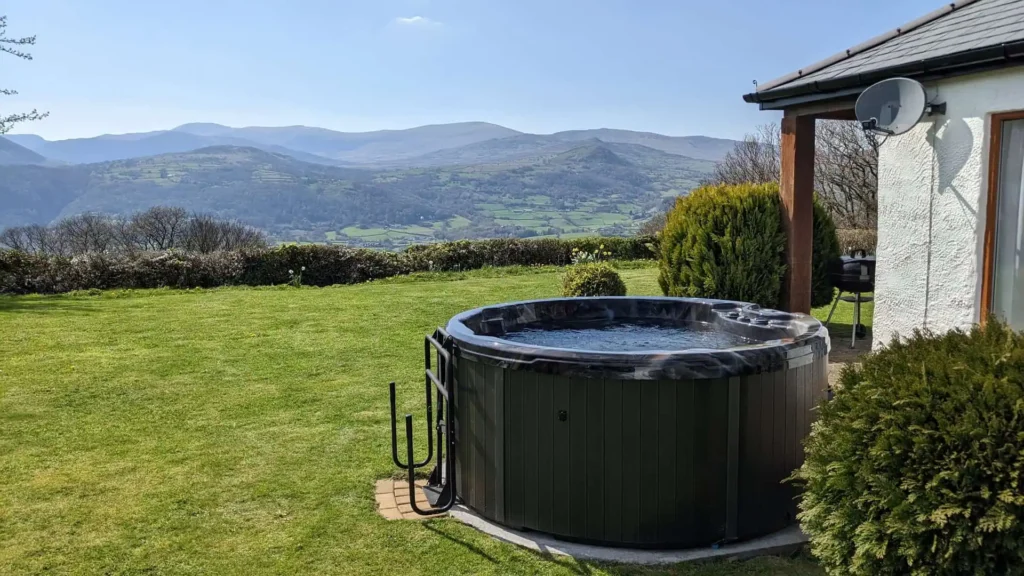
Look west from your hot tub towards Moel Siabod and you’re looking towards slate country. Drive 15 minutes to Betws-y-Coed and you’re on the doorstep of it, with the Ogwen Valley another 20 minutes beyond that, where the quarried terraces rise on both sides of the road.
Here’s the contrast worth appreciating: our cottages sit in the green, lush Conwy Valley, with peaceful rural views rather than industrial ones. You get the best of both. Explore the dramatic slate landscapes by day, return to tranquillity by evening.
The views you enjoy from the cottages aren’t just beautiful. They’re historically and culturally significant on a global scale.

Practical Visitor Tips
Suggested Driving Loop: Start from Betws-y-Coed, then Capel Curig, Ogwen Valley, Bethesda (Penrhyn viewpoint), Llanberis (Dinorwig and National Slate Museum) and return via A4086 and A5.
Time needed:
- Quick appreciation drive: 2–3 hours
- With museum or quarry visit: Half day
- With walk and attractions: Full day
- Comprehensive exploration: Multiple days
What to Bring: Sturdy walking boots (slate paths are uneven and slippery when wet), waterproofs (this is North Wales), warm layers if visiting underground attractions and a camera.
Best Time to Visit: The area is worth visiting year-round, but spring and summer bring longer days, easier walking conditions and all attractions open. Autumn offers a striking contrast between grey slate and golden colours in the surrounding trees. In winter, the mountain scenery is dramatic and crowds are minimal, though check individual attraction websites for reduced hours.
Why It Matters: UNESCO Recognition
UNESCO protects places of “outstanding universal value,” sites so significant to human history that they belong to all humanity.
The Slate Landscape of Northwest Wales earned that recognition because it helped build the modern world. This is a place that illustrates the combined works of nature and human endeavour through large-scale exploitation of natural resources on a dramatic, global scale.
It’s a living place. People still live, work and raise families in these slate communities, some quarries still operate on a small scale, narrow-gauge railways run as heritage attractions, and the language, culture and identity forged in the quarry era remain vibrant. UNESCO recognised that World Heritage status will protect and conserve the area for future generations while helping to “strengthen the Welsh language and increase local pride and confidence in this important indigenous language.”
Once You See It, You Can’t Unsee It
Next time you drive through North Wales, the view changes.
Those stepped terraces aren’t natural: they’re galleries carved by hand over decades. Those grey pyramids aren’t hills: they’re monuments to 17,000 workers who reshaped the earth. That purple-grey colour isn’t just rock: it’s 500-million-year-old slate that roofed the Victorian world.
The slate landscape is everywhere once you know what you’re looking at. The story makes every view infinitely richer.
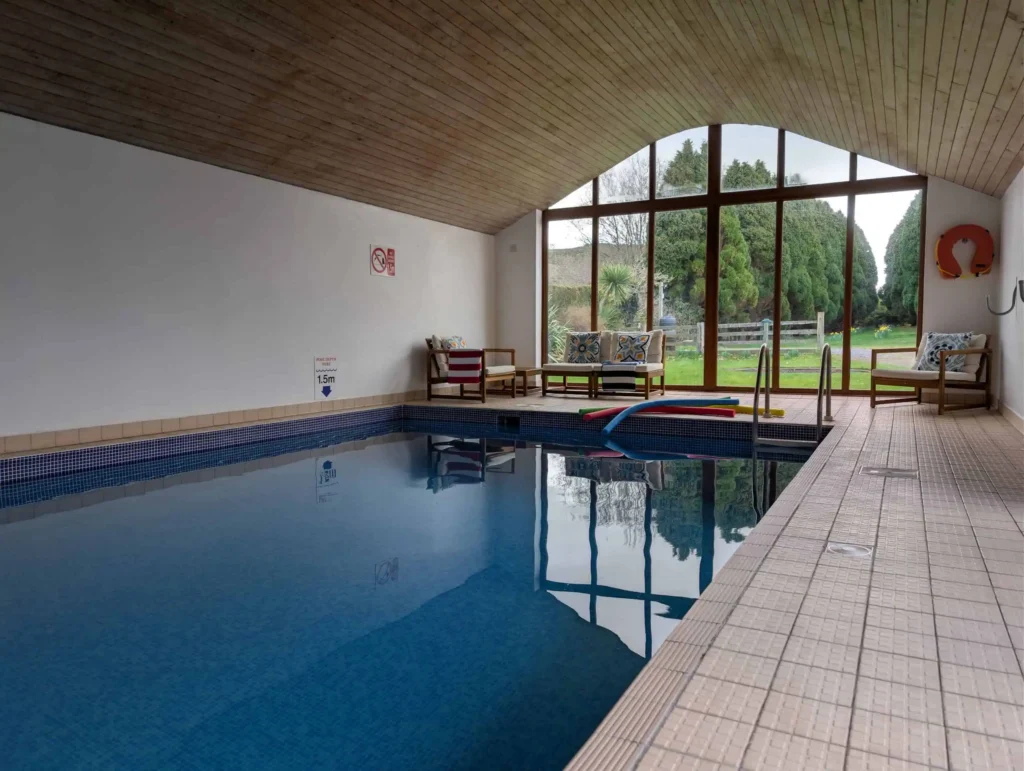
Our cottages sit in the Conwy Valley, 35–50 minutes from the main slate sites and with mountain views that include the same peaks the quarrymen worked. The indoor pool and hot tubs are waiting when you get back.
The landscape has been waiting here for over a century, its story carved into every terrace and spoil heap. All you need to do is look.
Ready to explore? Book your stay and discover one of the world’s most extraordinary industrial landscapes, where nature and human endeavour produced something that changed history.
FAQs
Is it free to visit the Welsh Slate Landscape?
Yes. The landscape itself is free to explore. You can drive the loops, take in the viewpoints and walk the public footpaths at no cost. The National Slate Museum in Llanberis will also be free when it reopens (currently closed until Spring 2027). You only pay for specific attractions like the Llechwedd Deep Mine Tour, Zip World activities or heritage railways.
What’s the best “one-stop shop” to see the slate landscape?
Llanberis. You can walk the paths around Dinorwig Quarry to see the terraces and explore the lakes (Llyn Padarn and Llyn Peris) all in one location. The National Slate Museum is currently closed for improvements but should reopen sometime in 2026, at which point it becomes the perfect free addition to your visit. For the full underground experience right now, Llechwedd in Blaenau Ffestiniog is the top choice.
Is it safe to walk around the old quarries?
Yes, as long as you stay on marked paths. These are vast industrial sites with loose slate, sheer drops and extremely deep quarry lakes. Respect all signage, wear proper walking boots (slate is slippery when wet) and never enter the quarry pools – they’re far deeper and colder than they look. If you want a swim after your walk, our heated indoor pool at the cottages is open 24/7 and waiting for you.
Is the National Slate Museum dog friendly?
When the National Slate Museum reopens (currently closed until later in 2026), dogs will be allowed in the outdoor areas and some buildings – check specific rules when you arrive. Most of the quarry walking routes around Llanberis and elsewhere are dog-friendly, as they run across open hillside.
How close are the main slate sites to the Conwy Valley?
Very close. Llanberis (National Slate Museum, Dinorwig) and Blaenau Ffestiniog (Llechwedd) are both around 40–50 minutes from our cottages. The Ogwen Valley viewpoints are closer still at 35 minutes. Easy day trips from a peaceful base in the valley.
Some images: © Crown Copyright