You’ve planned the perfect North Wales holiday. Castles, mountains, coastline – all within reach. Then you open ZapMap and the anxiety sets in.
The charging infrastructure looks… patchy. Forums mention broken chargers at Rhug Estate. Pen-y-Pass charges £25 for parking but offers no EV charging. That “rapid charger” in Caernarfon apparently breaks down every other week. You start building your itinerary around charger locations instead of the places you actually want to visit, factoring 30-90 minute charging stops into days that should be spent exploring.
Here’s the thing: North Wales is worth every mile in an EV. The landscape is spectacular, the attractions are world-class and the infrastructure – while imperfect – is manageable if you approach it strategically. The secret isn’t hunting for public chargers during your holiday. It’s starting each day at 100% battery from accommodation with guaranteed overnight charging, positioned centrally enough that every major attraction sits within a single charge radius.
This guide gives you the honest infrastructure assessment (including the gaps) and the strategic approach that removes the anxiety entirely.

EV Charging in North Wales: The Reality
Let’s be frank about what you’re dealing with. North Wales isn’t the South East. The charging network is improving, but significant gaps remain, especially in the mountain areas where you’ll actually want to spend your time.
The A55 Coastal Corridor:
Our main route into North Wales from England follows the A55 Expressway. Gateway Services at Mold (Junction 33B) is a popular final rapid-charging stop before you head into the quieter valley roads. The InstaVolt hub there delivers up to 120kW for £0.89 per kWh, with a McDonald’s and Starbucks to hand while you wait.
Heading home, Shell Northop Hall on the eastbound side offers ultra-rapid 175kW charging, though at a similar premium price.
From this point into the Conwy Valley, the 40-mile stretch has surprisingly few rapid options. While the InstaVolt chargers at Darwin Escapes near Conwy are rated at 160kW, local reliability can be hit-and-miss. This gap in the network is exactly why arriving at your holiday cottage knowing you have a dedicated charger waiting for you makes such a difference to your week.
Inside Eryri (Snowdonia):
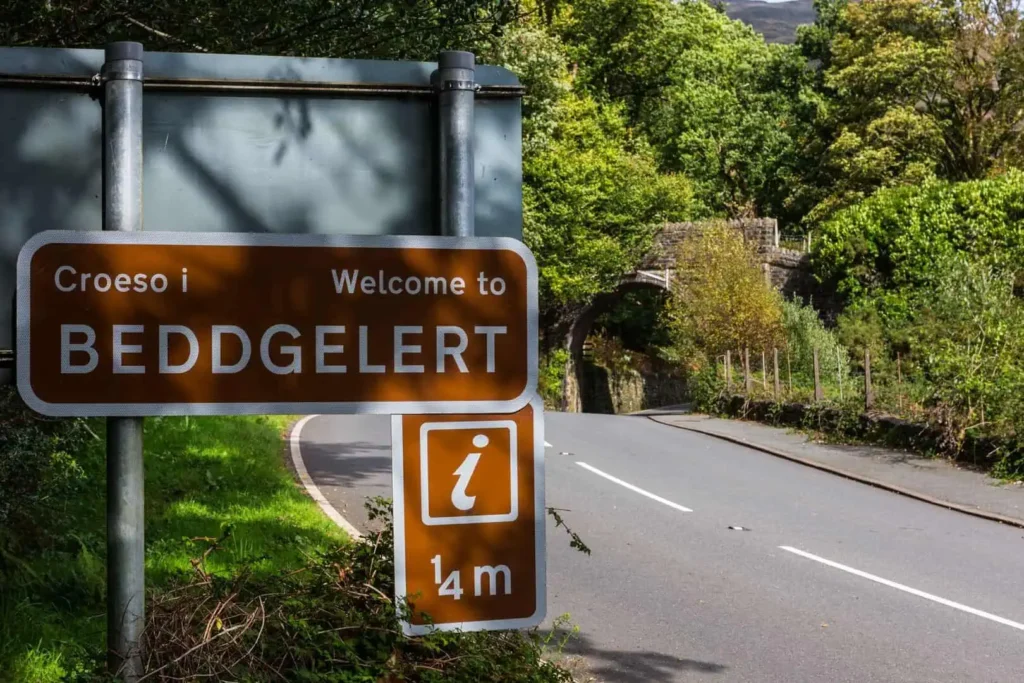
The mountain heart of North Wales presents a real challenge for EV drivers. While newer car parks at Llyn Cwellyn, Beddgelert and Dolgellau now offer charging, provision remains sparse. Pen-y-Pass – the starting point for Yr Wyddfa’s (Snowdon’s) most popular routes – now costs £25 for an 8-hour session yet provides no charging facilities at all. Ogwen Cottage does have two chargers, but at just 7kW, they are frequently occupied by hikers spending the entire day on the Glyderau.
The National Trust network in Wales is currently being upgraded, shifting from older 3kW points to faster destination chargers. Sites like Bodnant Garden and Penrhyn Castle now offer 7kW to 22kW speeds, though with only a handful of connectors at each, these bays are often claimed by other visitors early in the morning.
A Note on Pen-y-Pass: If you are heading to Pen-y-Pass for the Miners’ or Pyg Track, be aware that the 2026 parking fees have increased to £25-£45 depending on your length of stay. Despite this premium price, there is still no EV charging available at the summit car park. This makes starting your day at 100% battery from our cottages essential, as you will be using significant energy on the climb up the pass with no way to top up while you hike.
The Alternative Mountain Route:
The A5 through the mountains offers a scenic approach from the Midlands, but charging provision is even sparser than on the coast. The Rhug Estate provides the only major rapid-charging hub between Chirk and Betws-y-Coed, with eight 120kW InstaVolt chargers.
While these can technically add 100 miles of range in about 15 minutes, they come at a premium – currently £0.89 per kWh via contactless payment. Reliability at this specific hub has historically been a talking point in EV forums; with only a small number of units available, finding one out of service or occupied by a long-term visitor is a common frustration for travelers. It’s a useful backup, but hardly a stress-free solution for your journey.
Coastal Towns – Better Provision:
Llandudno offers a fair number of charging points, though many are hotel-based with priority naturally given to their own guests. Llandudno Junction is a more reliable hub with a Lidl rapid charger (50kW) and several Tesco 7kW chargers (currently around £0.44/kWh). Conwy Marina provides two 7kW chargers for a £5 flat fee for up to four hours – fine for a quick lunch, but no good for an overnight stay.
It’s an improvement on the mountain passes, but you’re on holiday to explore Eryri, not hunt for available bays in a supermarket car park.
Tesla Owners:
The M-Sparc Supercharger site at Gaerwen, Anglesey, is about 25 minutes from the Conwy Valley. Its twelve 250kW chargers are now open to all CCS-compatible vehicles via the Tesla app, making it a powerful tool for a quick boost. Closer to home, The Groes Inn near Conwy provides 22kW Tesla Destination Chargers for patrons.
While these are excellent for long-distance transit, they are often overkill for daily exploring when you have your own dedicated charger waiting back at the cottage.
The infrastructure in North Wales isn’t catastrophic, but it does require planning. More importantly, it requires a strategy that doesn’t revolve around public charging.
The Real Problem Isn’t Range – It’s Reliability
Modern EVs now frequently offer 250-350 miles of range, more than enough for a week of exploring North Wales. But in 2026, the real anxiety isn’t “will I make it?” It’s “will the charger actually work when I get there?”
The forums tell the story: drivers arrive at the Rhug Estate to find several units out of service. They plan routes around specific charging points only to discover them occupied for the next hour. They factor a quick top-up into their itinerary and watch 90 minutes of holiday time disappear in a supermarket car park.
Mountain driving complicates the mental calculation. Climbing steep gradients dramatically reduces efficiency, often dropping to around 2.0 miles per kWh as you head up toward Eryri. While regenerative braking recovers energy on the way down, your car’s range estimate can fluctuate wildly. Even when you rationally know you have enough “juice,” that jumping number on the dashboard creates a stress you just don’t need on holiday.
This is why accommodation with guaranteed overnight charging changes everything. You aren’t just eliminating the need for public infrastructure; you’re eliminating your dependence on it. Wake up at 100%, explore Yr Wyddfa or the coast and return to charge while you sleep. No hunting for working bays, no waiting and no building your itinerary around ZapMap instead of the places you actually came to see.
How A Central Location Maximises Your Range
From our cottages in the Conwy Valley, every major North Wales attraction sits within a comfortable single-charge radius. The round-trip distances make the case plainly.
Round-Trip Distances from Our Cottages:
| Destination | Distance (Round Trip) | Drive Time (Total) |
| Conwy Castle | 18 miles | 40 mins |
| Angel Bay (Seals) | 25 miles | 45 mins |
| Llandudno Great Orme | 27 miles | 50 mins |
| Yr Wyddfa (via Pen-y-Pass) | 40 miles | 1 hr 25 mins |
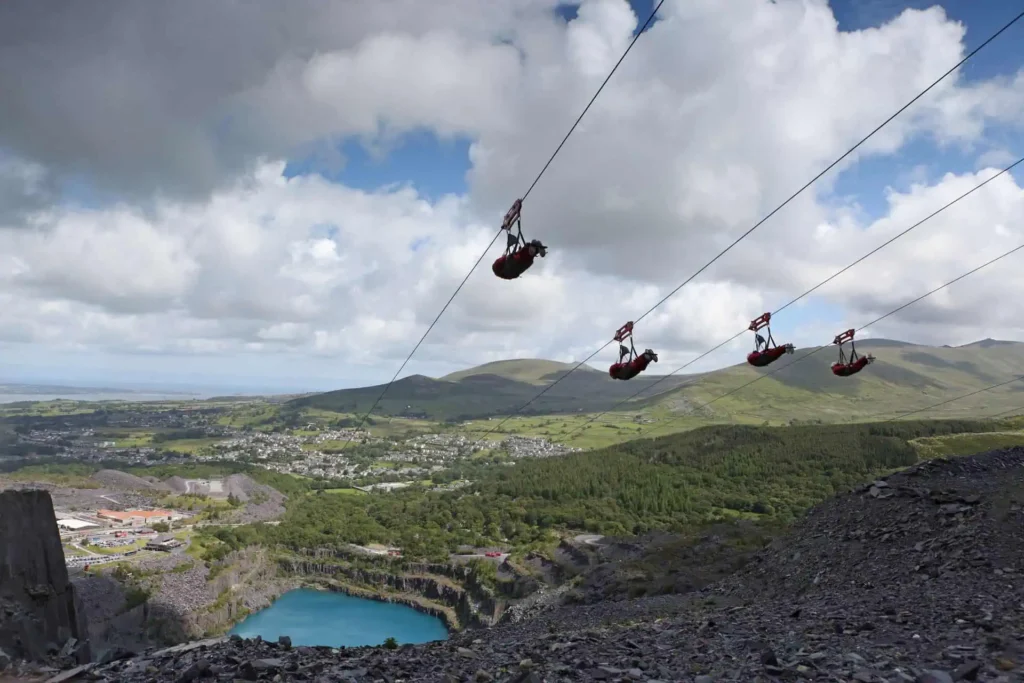
| Zip World Penrhyn Quarry | 49 miles | 1 hr 25 mins |
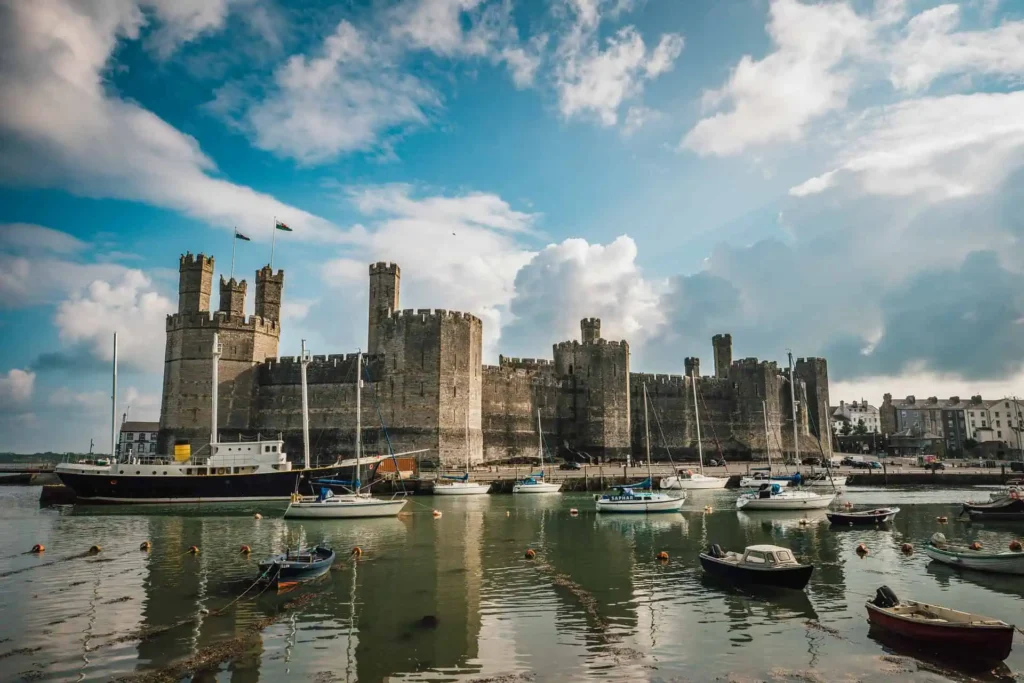
| Caernarfon Castle | 65 miles | 1 hr 40 mins |
| Portmeirion | 63 miles | 2 hours |
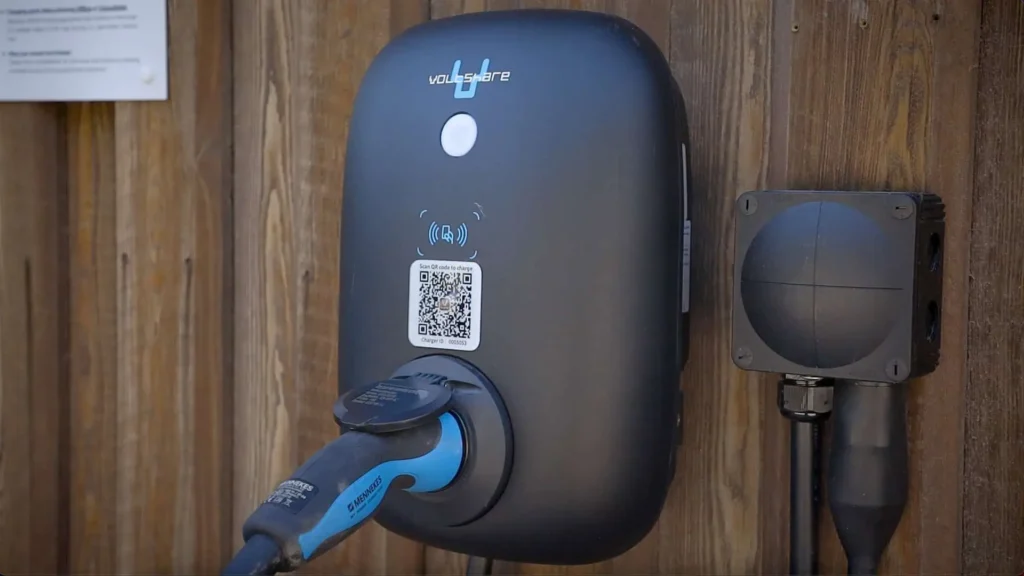
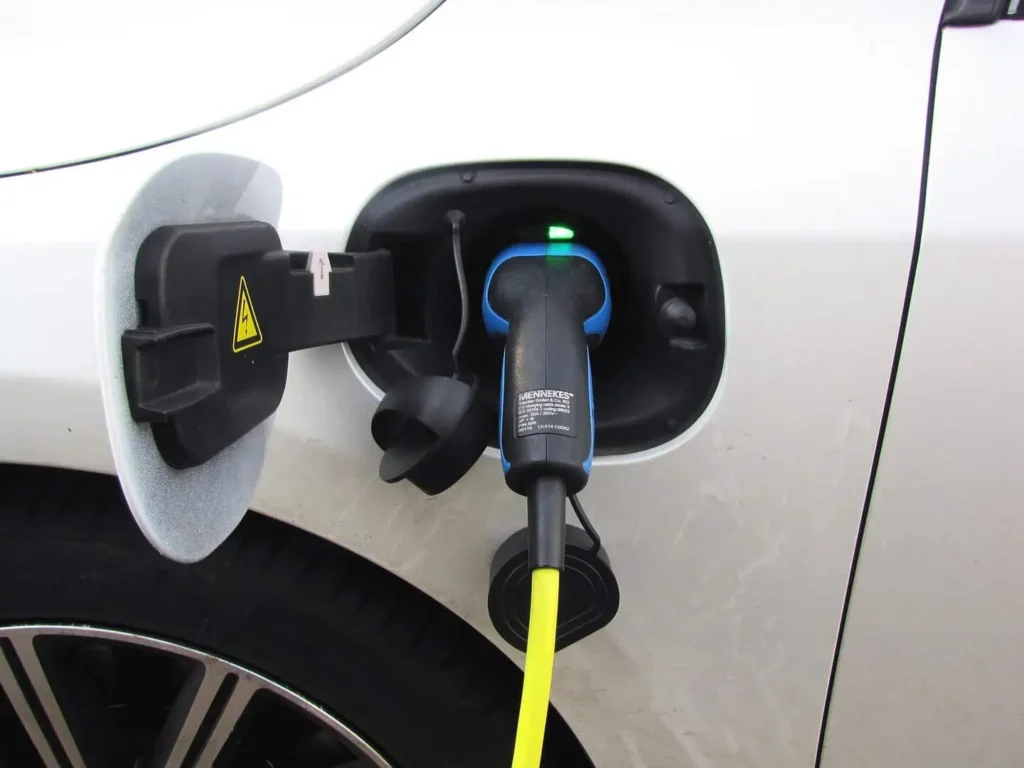
Even the furthest destinations require only a 65 mile round trip. Our Voltshare 7kW charger delivers approximately 30 miles of range per hour. A typical eight-hour overnight charge provides 240 miles – more than enough for any destination on this list, including elevation changes and a comfortable safety margin. You pay only for what you use (54p/kWh via the Voltshare app), with no subscription fees or surprises.
Compare this to staying in Llanberis. You’re perfectly positioned for Yr Wyddfa, but Conwy Castle is now 40 minutes away and Llandudno takes 50 minutes. Stay on the coast and every mountain excursion becomes a significant drive. The Conwy Valley gives you genuine choice every morning without committing your available range to the journey before you’ve arrived.
The charger is shared between our two cottages only – a maximum of nine guests total. You’re not competing with 200 holiday park guests for two chargers. Coordinating overnight charging between two families is straightforward.
Two cottages worth knowing about.
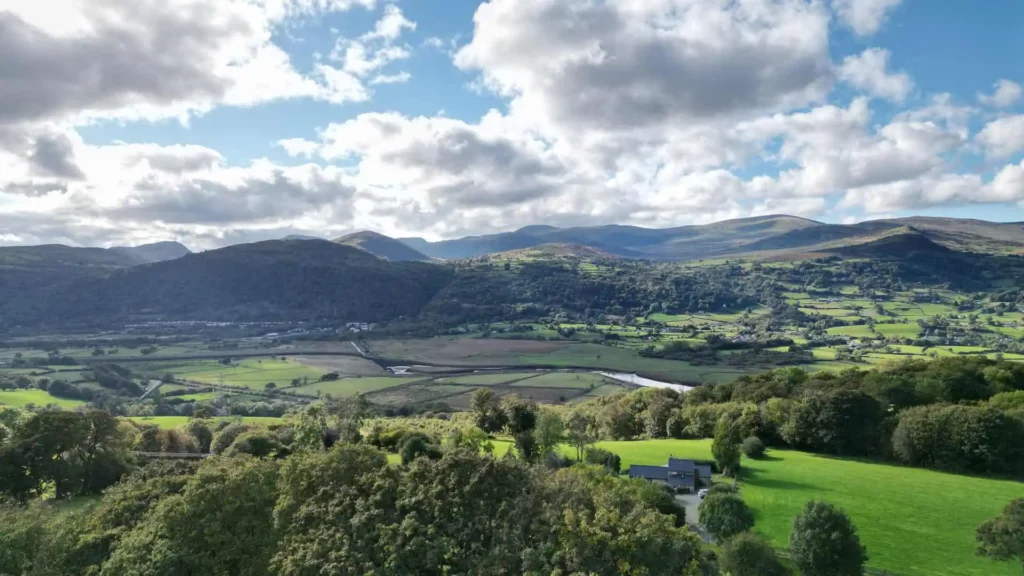
Fig Tree and Laurel sit high above the Conwy Valley with private hot tubs, a shared heated indoor pool and views stretching to Eryri. Dog-friendly and available year-round.
Check availabilityEV-Optimised Itineraries
The distance table above is the itinerary in miniature. Shorter days (Conwy Castle, Angel Bay, Great Orme) sit comfortably alongside longer ones (Portmeirion, Caernarfon, Yr Wyddfa) because every excursion starts from the same guaranteed 100% charge. The only planning decision is pacing – alternating the 60-mile days with the 20-mile ones keeps your buffer healthy without needing to think about it much.
For more day-by-day inspiration, our First Time in the Conwy Valley guide shows how the distances work in practice and our 30+ Best Things to Do guide covers the full spread of attractions within reach.
When You Actually Need Public Charging
Scenario 1: The Long Western Loop
If you want to combine several western Eryri attractions in a single day – Caernarfon Castle, then Llanberis, Beddgelert and Portmeirion – you’re looking at a 120-140 mile round trip. While most modern EVs handle this on a full charge, smaller-battery vehicles might want a safety margin.
The Strategy: Break it into two separate days to enjoy the sites at a slower pace or use the 75kW rapid chargers at the Victoria Dock or the Tesco hub in Caernarfon for a 30-minute boost while you explore the town or grab supplies.
Scenario 2: Multiple Long Days Back-to-Back
If you’re visiting Portmeirion (64 miles) on Day One, then Caernarfon (65 miles) on Day Two and Zip World Penrhyn (49 miles) on Day Three, you are consistently using 50-65 miles daily.
The Strategy: Alternate these longer excursions with “Low-Mile Days.” Exploring Conwy Castle (18 miles), Angel Bay (25 miles), or staying local at Bodnant Garden allows your cottage charger to easily replenish your buffer while you relax on the patio.
Scenario 3: Severe Winter Weather
Cold weather can reduce battery efficiency by an average of 25-30%. If you’re visiting in January when temperatures dip, your usual range will tighten.
The Strategy: Our cottages remain your guaranteed solution. Cold weather actually impacts public rapid-charging speeds more than it does our overnight AC chargers, making on-site charging even more valuable for winter hikers and explorers.

Scenario 4: Spontaneous Extended Range
You’re at Portmeirion and decide to continue south to Harlech Castle before taking the scenic coast road back. Spontaneity is part of the fun, but it adds unexpected mileage.
The Strategy: This is where the M-Sparc Superchargers at Gaerwen (Anglesey) come in. They are open to all CCS-compatible vehicles via the Tesla app and offer a reliable 250kW safety net for those “just one more stop” days.


The Three Variables Most EV Drivers Get Wrong
Most EV visitors to North Wales optimise one variable: they find accommodation near a rapid charger or they choose a base close to a single key attraction. The anxiety persists because the problem has three variables, and solving only one leaves two unsolved.
Variable 1: Reliability, not speed
The anxiety in North Wales isn’t range – modern EVs offer 250-350 miles. It’s reliability. Chargers at Rhug Estate break down. Ogwen Cottage’s two slow chargers are frequently occupied. Hotel chargers prioritise guests. When your day depends on a charger working, the infrastructure gap becomes a genuine problem.
Guaranteed overnight charging at your accommodation removes this variable entirely. You’re not dependent on any public charger working correctly. The 7kW speed is irrelevant when you’re sleeping.
Variable 2: Daily mileage, not headline range
A 300-mile range EV sounds like overkill for North Wales until you stay somewhere that puts you 45 minutes from both mountains and coast, and every excursion starts with 90 miles already spent. The Conwy Valley’s central position means the furthest attraction on our list is 65 miles round trip. That leaves 175 miles of buffer on a 240-mile overnight charge – enough for detours, scenic returns and spontaneous route extensions without recalculating.
Variable 3: The spoke-and-hub commitment
This is the one most visitors don’t consciously choose. Returning to the same base each evening means you’re never “committed” to reaching distant accommodation on a dwindling battery. Every excursion is a round trip to a guaranteed charge point. You can push further, stay later, take the scenic road back – because the consequence of using more battery is simply arriving home with less, not stranded somewhere without options.
When severe weather limits your planned mountain drive, our heated indoor pool provides a genuine alternative. After long drives through mountain passes, return to your private hot tub while the car charges overnight.
Fig Tree (sleeps 5) suits families with its open-plan layout. Laurel (sleeps 4) includes a dedicated boot room for muddy walking gear, particularly useful after mountain walks where car parks offer no facilities for cleaning boots before the drive home.

Planning Your EV Road Trip to North Wales
Before You Leave Home:
- Download Apps: Install ZapMap (infrastructure overview), Voltshare (for our cottage charger payment), JustPark and PayByPhone (for car park payments including Pen-y-Pass). Mobile signal is poor in mountain valleys, so download and configure these with payment details before leaving.
- Check Your Route: Most guests approach via M56 and A55. Plan to arrive at our cottages with 50-60% battery minimum. This gives you comfortable buffer for the week without needing immediate charging.
- Book Pen-y-Pass Parking: If you’re planning the Miners’ Track or Pyg Track up Yr Wyddfa, parking at Pen-y-Pass requires advance booking via JustPark (£25-45 depending on season and duration). Book weeks ahead for summer weekends. There is no EV charging at Pen-y-Pass despite the premium parking fee.
During Your Stay:
- Start Each Day at 100%: Plug in every evening regardless of remaining battery. This removes range anxiety from the equation entirely. Eight hours overnight provides full charge for any day trip.
- Factor Elevation into Planning: Mountain routes consume more battery uphill but recover energy through regenerative braking downhill. Your range estimate will fluctuate – this is normal. The round-trip distances in this guide already factor typical mountain driving.
- Weather Flexibility: If severe weather limits your planned mountain excursion (and range anxiety when you can’t rely on regenerative braking downhill), our indoor pool provides the alternative activity. Cold weather reduces battery efficiency, but overnight charging mitigates this.
- Spontaneous Exploration: With guaranteed overnight charging, you can afford spontaneous route extensions. Worst case, you return with 20-30% battery and charge overnight. You’re never stranded.
For the Journey Home:
Shell Northop Hall (eastbound A55) or Gateway Services Mold (westbound A55) provide final top-up opportunities before the motorway network. Alternatively, the M-Sparc Tesla Superchargers at Anglesey offer rapid charging for non-Tesla vehicles if you’re departing westward.
Pricing Overview:
| Location/Provider | Charger Speed | 2026 Price | Best For |
| Cottages (Voltshare) | 7kW | 54p / kWh | Stress-free overnight charging |
| Tesco / Lidl | 7kW – 50kW | 44p – 74p / kWh | Topping up while you shop |
| National Trust Sites | 22kW | 55p – 65p / kWh | Charging while visiting gardens and houses |
| InstaVolt / Shell | 120kW+ | 89p / kWh | Rapid boosts on the A55/A5 |
| Tesla Supercharger | 250kW | 50p – 75p / kWh | Ultra-fast emergency refills |
Your Stress-Free North Wales EV Holiday Starts Here
The infrastructure in North Wales isn’t perfect. Chargers break. Car parks fill. Range estimates fluctuate in the mountains. But these challenges don’t need to define your holiday.
Wake up at 100% battery in our Conwy Valley cottages every morning. Choose Conwy Castle or Yr Wyddfa, coast or mountains, castles or waterfalls – all within comfortable single-charge radius. The furthest attraction is only 65 miles round trip. Return each evening to your private hot tub while your car charges overnight, ready for tomorrow’s adventure.

No hunting for working chargers. No building itineraries around ZapMap. No watching precious holiday hours disappear in supermarket car parks. Just the freedom to explore North Wales the way it deserves to be explored.
Book your EV-ready cottage getaway: Explore our two cottages or check availability and book your stay.
FAQs
Do I need to book the EV charger at the holiday cottage in advance?
No. The charger is available first-come, first-served for cottage guests, shared between our two cottages only. Most guests plug in when they return from the day’s activities and charge overnight while sleeping.
Is the shared 7kW charger enough for both cottages?
Yes, for overnight charging, speed becomes irrelevant – you’re sleeping. Even a completely empty 75kWh battery reaches full charge in approximately 10-11 hours. Most guests arrive with 40-60% remaining and need only 4-6 hours to reach 100% for the next day. If both properties want to charge at the same time, a simple conversation coordinates who plugs in first. One cottage charges 8pm-4am, the other 4am-12pm, and both wake with full batteries. In practice this rarely creates any friction.
What cable type does your charger use?
Type 2 tethered cable – the most common standard for UK and European EVs. You don’t need to bring your own. If your vehicle uses a different connector, you’ll need an adapter.
How do I pay for charging?
Via the Voltshare app or website. Download and configure it before arrival (mobile signal can be poor in rural areas). You pay only for actual kWh consumed at 54p/kWh. The system is transparent – you see exactly what you’re using and what it costs.
Is 240 miles of overnight range really enough for all the attractions?
Yes. The furthest destinations from our cottages – Portmeirion and Caernarfon Castle – are both 64–65 miles round trip. Starting at 240 miles leaves over 175 miles of safety margin. Modern EVs also recover energy through regenerative braking on descents, which extends effective range further on mountain routes.
Do I need ZapMap or a backup plan during my stay?
For daily touring using the suggestions in this guide, no. Every excursion starts from 100% battery and returns with comfortable margin. Keep ZapMap installed for spontaneous extended routing – if you decide to continue south from Portmeirion to Harlech Castle and back, you might want a slow charger during lunch. The only scenario that genuinely requires public charging is planning multiple back-to-back days exceeding 100 miles each. The natural solution is alternating longer excursions (Portmeirion, Caernarfon) with shorter local days (Conwy Castle at 18 miles, Angel Bay at 25 miles).
Does cold weather significantly affect my range?
Yes. Winter temperatures can reduce battery efficiency by 20-40%. However, the overnight charging strategy actually becomes more valuable in cold weather – you’re starting each day at 100% regardless of efficiency losses. Our longest recommended day trip is 65 miles round trip. Even with 30% cold-weather reduction, you’d still have substantial buffer on a 240-mile overnight charge.
Can I visit North Wales in an older EV with shorter range?
If your vehicle offers 150+ miles of real-world range, the spoke-and-hub approach still works. Our furthest attraction is only 65 miles round trip, leaving 85+ miles of buffer. You may want to space longer excursions rather than doing Caernarfon and Portmeirion on consecutive days, but the core strategy remains intact. Vehicles with sub-150 mile range will likely want to supplement with public charging for the longer days, but can handle everything within 40 miles (Conwy, Angel Bay, Great Orme, Yr Wyddfa) without any recalculation.
Should I charge during the day while I’m at the cottage?
Yes, if you’re having a relaxed day using the pool or exploring local walks, charge whenever it’s convenient. The pay-as-you-go system means you only pay for actual usage – there’s no reason not to top up whenever you’re home.
Some images: © Crown Copyright