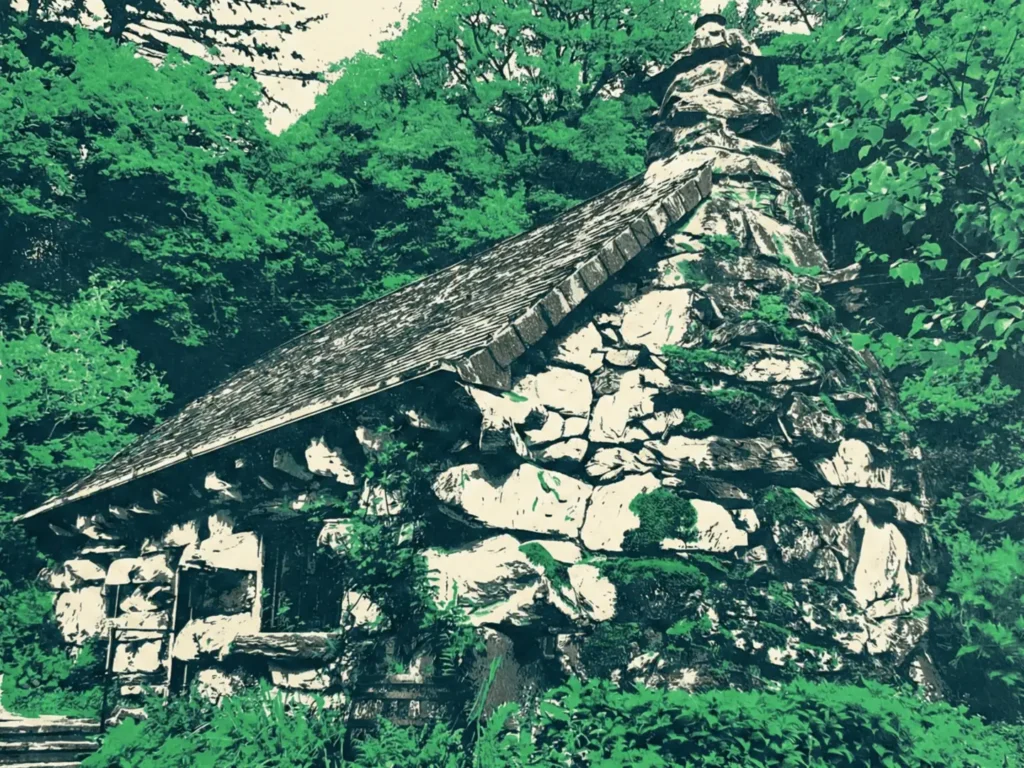
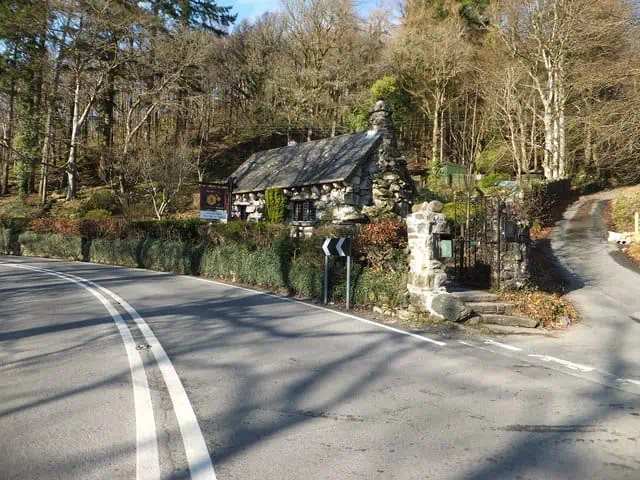
If you’ve ever driven the A5 between Betws-y-Coed and Capel Curig, you’ve seen it. A strange, lumpy stone building crouched by the roadside, looking like it was assembled from boulders someone found lying around. Chances are you’ve wondered: what is that place?
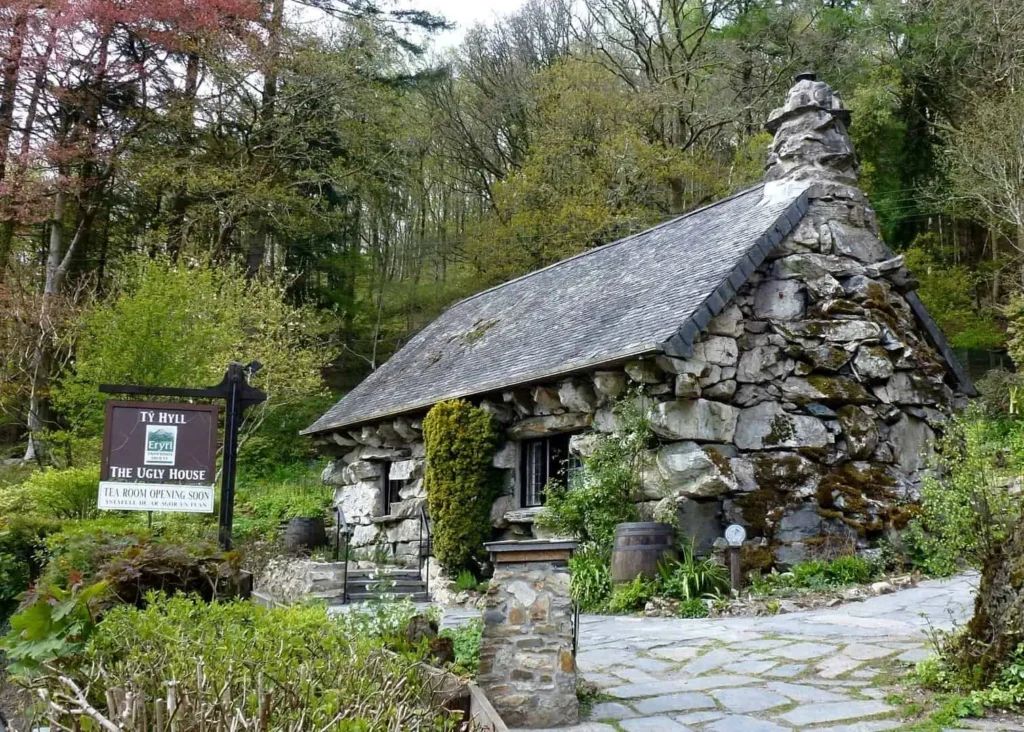
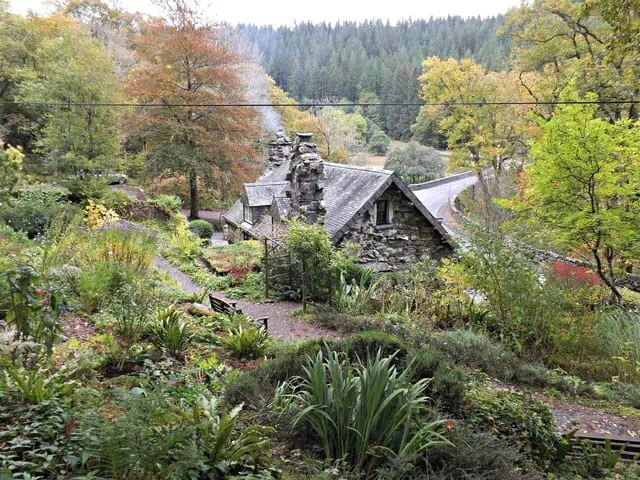
This is Tŷ Hyll (pronounced “tee hee-th”), known in English as “The Ugly House.” Despite the name, it’s a 15th-century cottage built from massive rough-hewn stones, now home to the Conwy Valley’s most charming tearoom and a honeybee education centre.
The building attracts two types of visitors: those who’ve been curious about it for years, and those who stumble upon it and can’t resist stopping. Both leave with the same question answered and a proper Welsh rarebit in their stomach.
From our Conwy Valley holiday cottages, Tŷ Hyll sits 25 minutes away on the A5. It’s the perfect mid-journey stop when heading to Capel Curig or deeper into Eryri (Snowdonia) and a must for visitors exploring Betws-y-Coed.
What Is Tŷ Hyll?
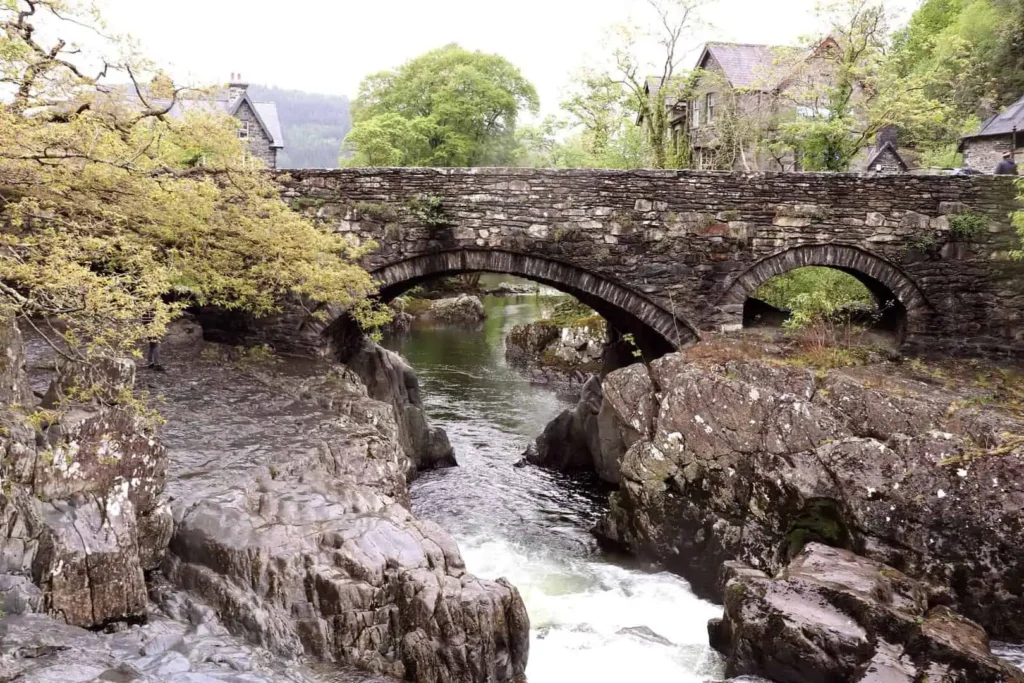
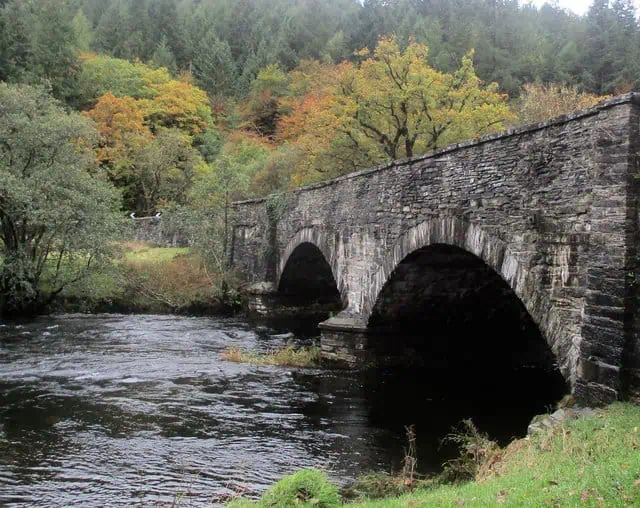
Tŷ Hyll is a stone cottage sitting where the A5 crosses the River Llugwy, about 3 miles west of Betws-y-Coed. The building dates to the 15th century, with a date of 1475 allegedly carved over the fireplace by the original builders.
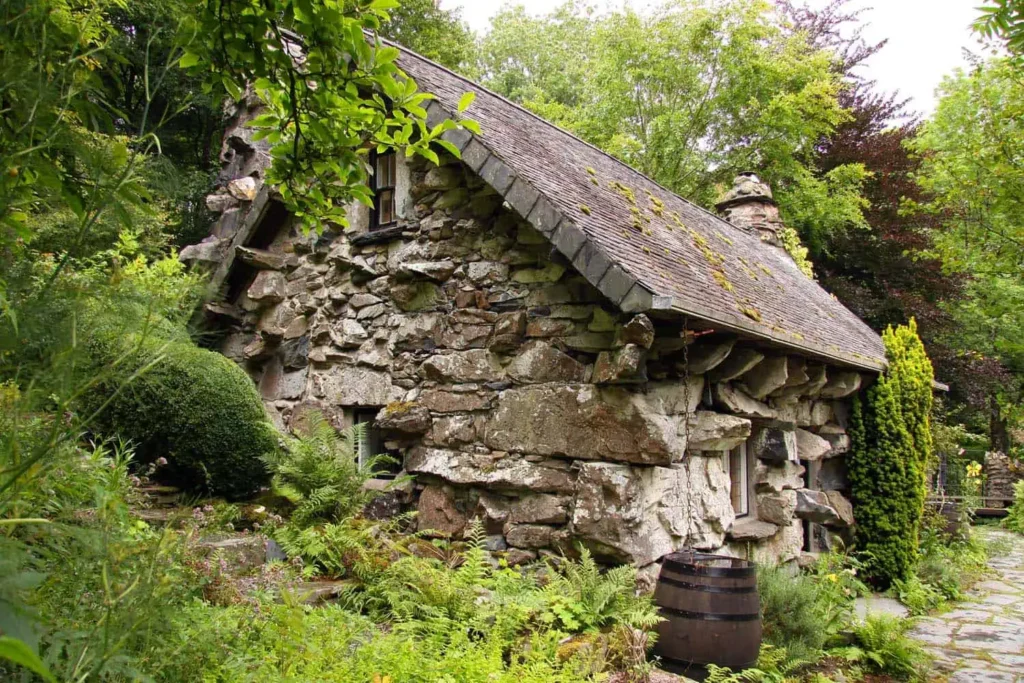
What makes it distinctive is the construction. These aren’t neat dressed stones – they’re massive, rough boulders stacked together, giving the house its craggy, almost organic appearance that looks less like construction and more like something that grew out of the hillside.
The Snowdonia Society purchased the house in 1988 when it was in poor condition. After restoration, it reopened in 2012 as a visitor attraction combining three elements: a traditional Welsh tearoom (Pot Mêl or “Honeypot”), a honeybee education centre upstairs and over an acre of pollinator-friendly gardens open year-round.
Entry to the house, Honeybee Room and gardens is completely free. You only pay if you eat at the tearoom.
The Name Mystery: Why “Ugly”?
Here’s the thing. Despite the name, most visitors find the house charming, not ugly. So where did the name come from? There are three competing theories and nobody knows which is correct.
The River Theory (Most Likely)
The house was likely called Tŷ Llugwy originally, after the River Llugwy that flows nearby. English-speaking travelers passing through on the old coaching road couldn’t pronounce “Llugwy” (it’s “THLOO-goo-ee” for the record) and anglicized it to something that sounded similar: “The Ugly House,” which Welsh speakers later translated back as Tŷ Hyll.
This theory makes linguistic sense. Welsh place names routinely got mangled by English visitors, especially before tourism infrastructure existed.
The Crude Construction Theory
In Welsh, “hyll” doesn’t just mean “ugly.” It also means “crude” and “rough.” The name might refer to the massive, unfinished boulder construction rather than aesthetic judgment. Look at those stones – nobody smoothed them or tried to make them symmetrical. This was vernacular building at its most practical.
The Outlaws Theory (Legend)
Local legend says the house was built by highwaymen who robbed travelers on the old coach road in the 15th century. They were “ugly people” with a fearsome reputation and the house became known by their character rather than its appearance.
This makes a good story, true or not!
The Tŷ Unnos Tradition: “One Night House”
Tŷ Hyll is often described as a tŷ unnos (pronounced “tee IN-oss”), which translates as “one night house”, and the reason why is one of the most fascinating folk traditions in Welsh history.
The Legend
If you could build a house on common land between sunset and sunrise, with smoke rising from the chimney by daybreak, the land became yours as freehold. Some regional variations added a bonus: throw an axe from each corner of your new house, and wherever it landed, you could claim that ground too.
Picture it. A family gathering at dusk with turfs, timber and determination. Working through the night by moonlight and torch. Racing against dawn. If they succeeded, they had a home and land. If they didn’t, they had nothing.
The Reality
The tŷ unnos tradition had no standing in English common law. It was folk practice, not legal right. But from the 17th to early 19th centuries, it happened across rural Wales, driven by expanding population, poverty, land enclosures and harsh taxation laws. Families with married children living on the same land faced additional taxes for “second homes,” pushing young couples to stake out their own ground.
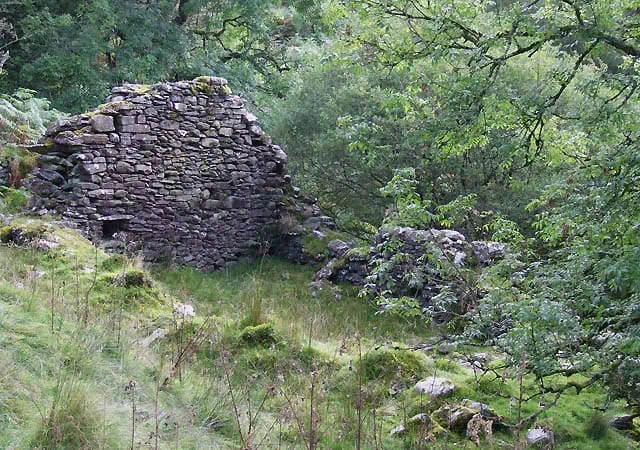
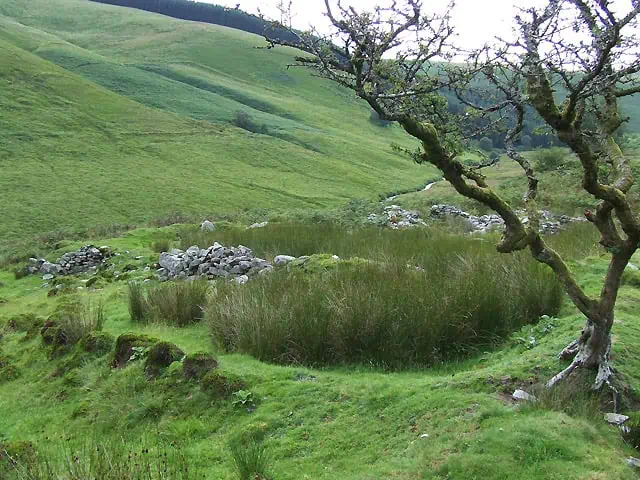
The first tai unnos (plural) were crude shelters with turf and soil walls and roughly thatched roofs, which families gradually replaced with proper stone and clay construction once established. Most builders worked in local quarries and mines while developing their small holdings.
Very few tai unnos survive in anything like original form. Most were rebuilt with better materials over time. Examples that do exist include Llainfadyn Cottage (dated 1762) from Rhostryfan, now preserved at St Fagans National Museum in Cardiff and Penrhos Cottage in Pembrokeshire, converted into a museum.
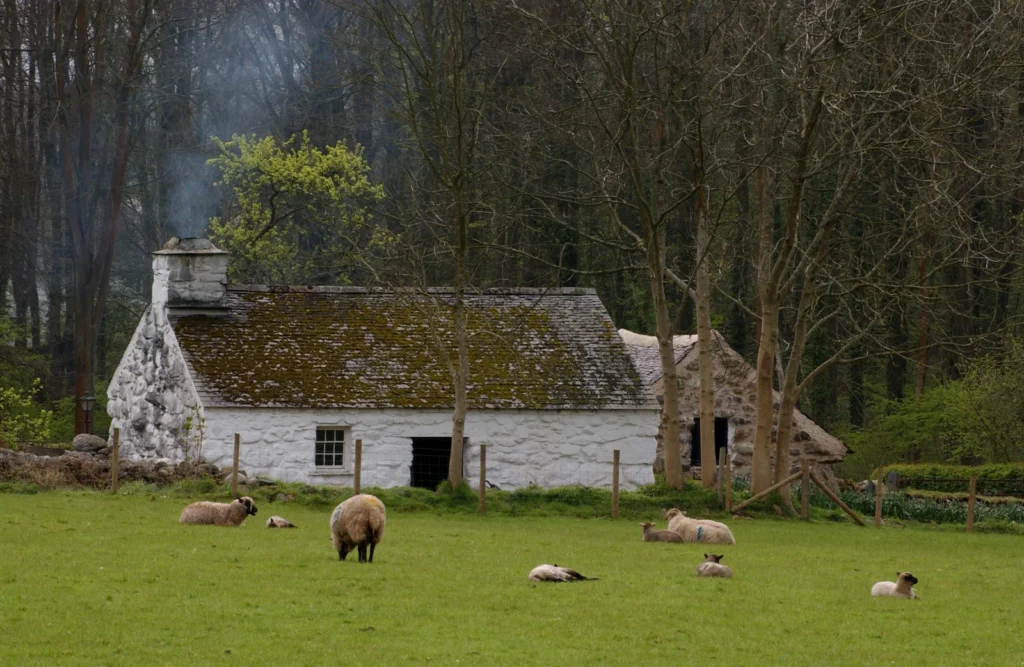
The last documented tŷ unnos was built in 1882 in Flintshire by four brothers from Lancashire. It was later fictionalized in Oliver Onions’ 1914 novel “Mushroom Town.”
A Worldwide Tradition
Wales isn’t unique in this. Similar squatter traditions existed in Turkey (gecekondu), France, Ireland, Scotland and across North and South America. Wherever land pressure met folk memory, people found ways to claim space.
Is Tŷ Hyll Actually a Tŷ Unnos?
Unproven.
The legend is firmly attached to Tŷ Hyll, but there’s no historical evidence confirming it was built overnight. The Snowdonia Society’s own materials state: “who built the house, and when, remains a mystery.”
What we do know: the house allegedly dates to 1475 based on a carving over the fireplace. Early history is scant. It may have started as a crude shelter for workers building the A5 bridge over the River Llugwy. By the early 1900s, shepherd John Roberts lived here with his wife until around 1928 in a single room with a fireplace and ladder access to the bedroom. Later owners included Edward and Lillian Riley before the Snowdonia Society purchased it in 1988.
More likely, Tŷ Hyll is a vernacular building that attracted the tŷ unnos legend later because of its rough appearance and uncertain origins. The massive boulder construction looks like something built in haste, which fits the folk narrative even if the facts don’t support it.
Sometimes the story is more interesting than strict historical accuracy. Tŷ Hyll has both.
Visiting Tŷ Hyll Today: Practical Information
Whether it was built in one night or not, visiting Tŷ Hyll today is straightforward. Here’s everything you need to know.
Address: Betws Road (A5), Capel Curig, Betws-y-Coed LL24 0DS
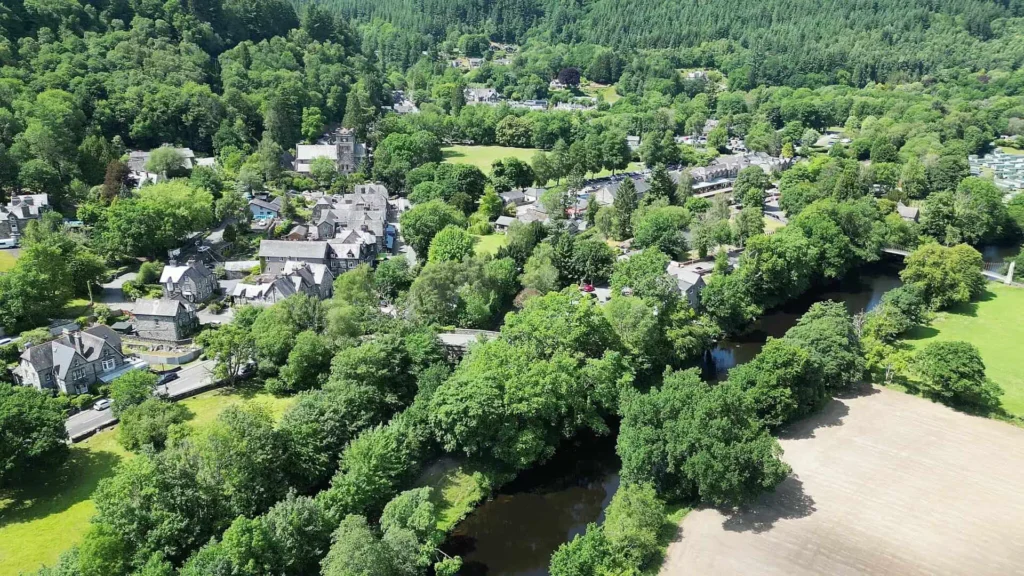
Location: 3 miles west of Betws-y-Coed on the A5, where the road crosses the River Llugwy. It sits on a tight bend, easy to miss if you’re not watching carefully. From our cottages: 20 minutes (10 miles) via the A5.
Opening Times:
- Tearoom & Honeybee Room: Open daily from 10.30am to 4pm.
- Garden & Woodland: Open 24/7, 365 days a year, free access.
Admission: FREE to visit house, Honeybee Room and garden. No entrance fee (donations welcome).
Parking: Free customer parking directly opposite the house. The car park holds 10-15 cars maximum and sits on a tight bend of the A5. If full or if you overshoot, there’s a layby a few miles down the road toward Betws-y-Coed. Arrive early or visit off-peak to guarantee a space.
Getting There:
- By Car: 7 minutes from Betws-y-Coed, 25 minutes from our cottages, 40 minutes from Conwy.
- By Bus: S1 Snowdon Sherpa bus between Caernarfon, Llanberis and Betws-y-Coed stops right outside.
- On Foot: 1-hour riverside walk from Betws-y-Coed along the north bank of the River Llugwy. Can combine with Swallow Falls (0.5 miles down the road, 20-minute walk).
- By Bike: Secure bike racks available. The Gwydir Mawr a Bach (formerly Marin Trail) mountain biking route is nearby.
Dogs: Assistance dogs only (welcome in all areas of the house and grounds). Water bowls available on request.
Facilities: Composting toilets at the back of the garden (eco-friendly but basic). Indoor and outdoor seating areas. All table service.
Accessibility: Building is historic with uneven floors, low doorways and a narrow staircase to Honeybee Room upstairs. Garden has uneven paths. Tearoom downstairs accessible via a ramp or stairs. Wheelchair-accessible toilet at the rear of the building, available for disabled visitors to tearoom and grounds.
The Pot Mêl Tearoom (“Honeypot”)
This isn’t a generic tourist café. Pot Mêl is family-run, serves entirely homemade food, and specializes in traditional Welsh dishes. The staff love to chat and share the house’s history. Portions are massive.
The Menu Includes:
- Welsh Rarebit: The tearoom’s signature dish. Secret recipe. Hugely popular. Served with side salads.
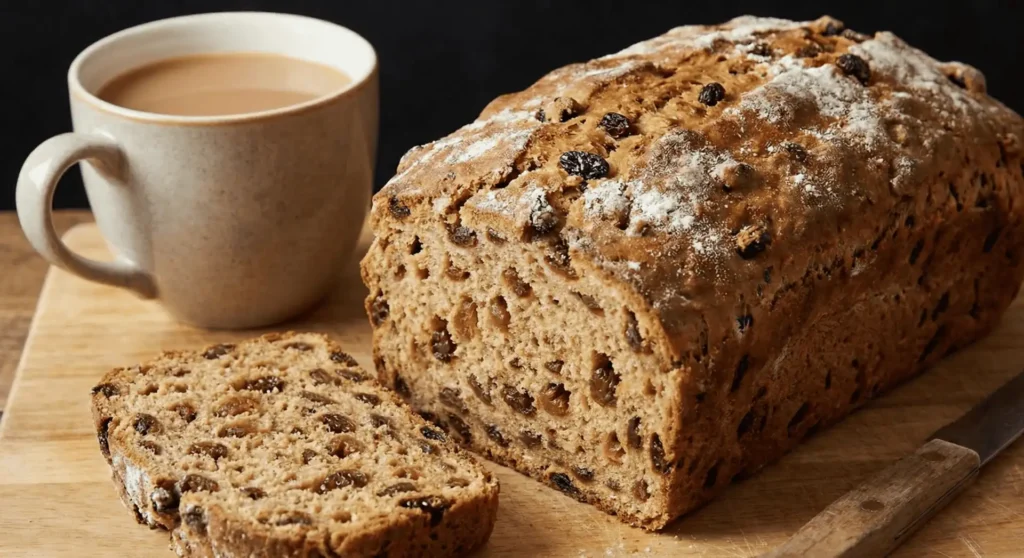
- Bara Brith: Wales’ famous “speckled bread,” soaked overnight in “Ugly Tea” (the house blend). Served with salted butter.
- Quiche: Homemade, often straight from the oven. Comes with a huge salad.
- Sandwiches: Made to order using locally sourced bread from Betws-y-Coed bakery. Generous portions. People often take half home.
- Welsh Afternoon Tea: Homemade Welsh cakes, warm scones fresh from the oven, selection of baked goods.
- Hot Drinks: Loose leaf tea served in bone china cups with tea strainers. Proper traditional service.
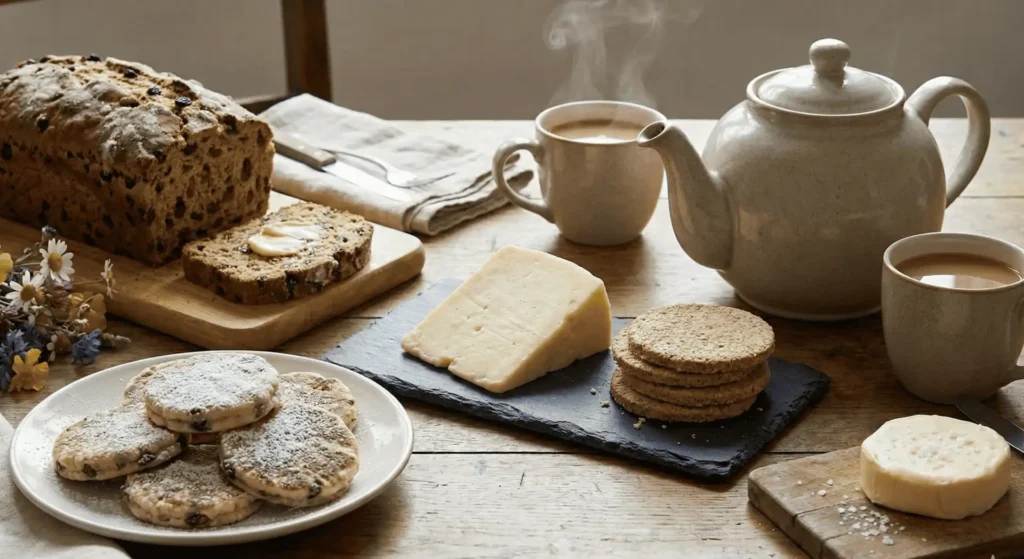
The Atmosphere: The interior is tiny, maybe 8-10 tables maximum. The space is quirky and historic, with low ceilings and uneven floors. A calligraphy piece on the wall tells the house’s story. Sometimes a robin flies in for crumbs.
Prices: Not cheap (£8+ for sandwiches, £3+ for hot chocolate) but portions are huge and quality is high. Reviewers consistently mention value for money despite initial price shock.
The Honeybee Room
Upstairs (via a narrow staircase) sits an educational space dedicated to honeybee conservation.
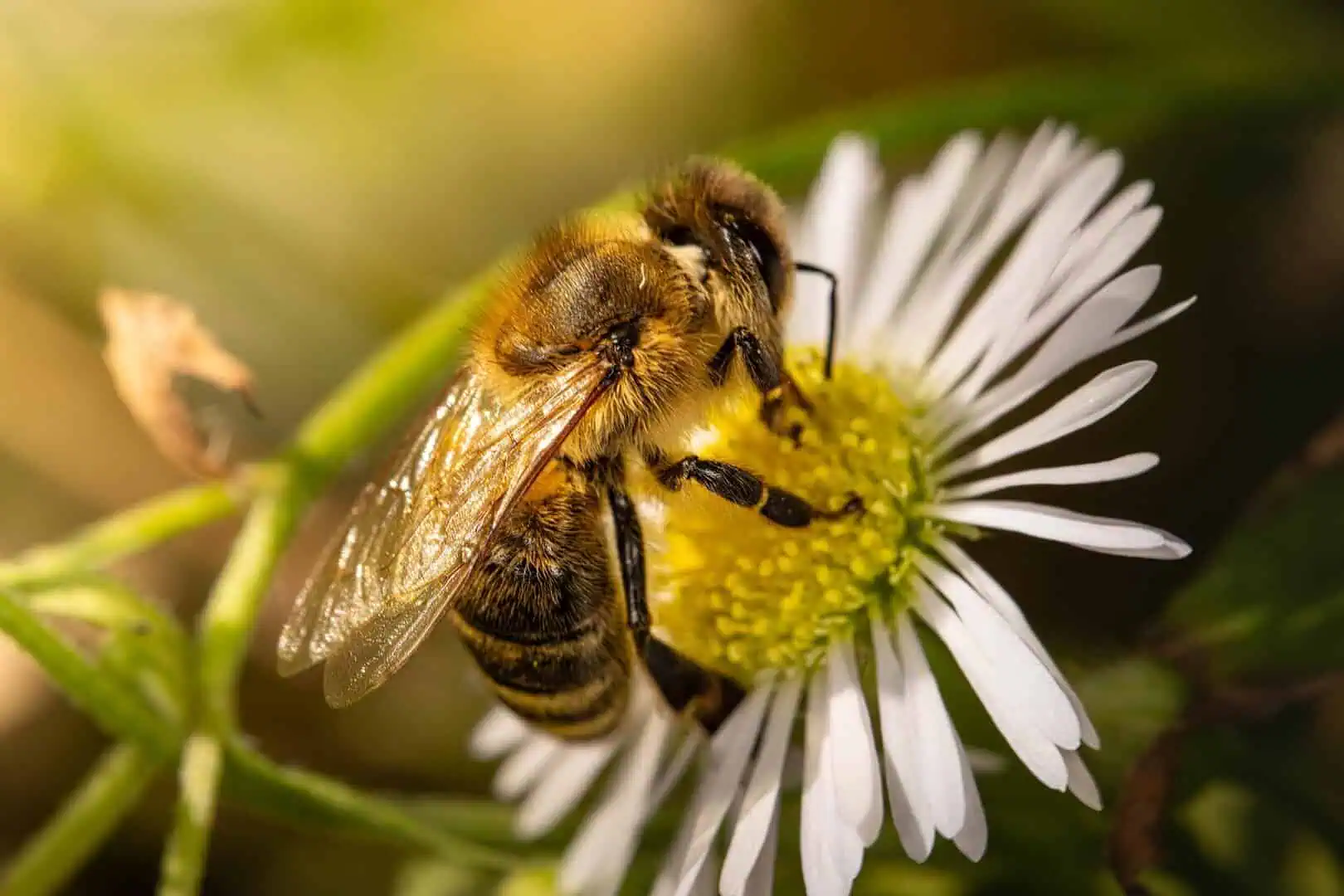
You’ll learn about the lifecycle of Britain’s honeybees, why bees and pollinators are under threat from modern farming practices and insecticides and how to make your garden bee-friendly. The Snowdonia Society runs a queen-rearing project here, supplying local queen bees for hives across the region.
Historical Context
Beekeeping has been important in this area for over 700 years. King Edward I authorized the Conwy Honey Fair in the town’s Royal Charter. Beekeepers could sell their wares within Conwy’s walls for one day every year on September 13th. The tradition continues today.
The Pollinator Paradise: Year-Round Garden Access
The garden is deliberately designed as a “paradise for pollinators.” Bee-friendly wildflowers and natural planting create a working demonstration of what helps bees thrive. The garden is open year-round and you can hear the Tŷ Hyll bees working while you sit outside with tea.
Where to Combine Your Visit
- Rhaeadr Ewynnol (Swallow Falls): 0.5 miles down the A5. 5-minute drive or 20-minute walk. North Wales’ most famous waterfall. Can walk the riverside path from Tŷ Hyll. £2 admission charge applies.
- Betws-y-Coed: 3 miles (7 minutes drive). Tourist hub of Eryri. Shops, restaurants, Pont-y-Pair Bridge, railway station. Browse then return to Tŷ Hyll for lunch.
- Capel Curig: 2 miles (5 minutes). Mountain village, outdoor activity centre, gateway to Yr Wyddfa (Snowdon).
- Gwydir Forest Park: 5 miles. Walking trails, mountain biking (including the Marin Trail), lakes. Read our complete guide to Gwydir Forest.
On a drizzly day, the wood burner, warm scones and quirky charm make Tŷ Hyll a cosy refuge. It’s also perfect for a rainy day adventure combined with other weather-proof activities in North Wales.

From the Conwy Valley: Your Perfect A5 Stop
If you’re heading to Betws-y-Coed, Capel Curig or deeper into Eryri, Tŷ Hyll sits 25 minutes from our holiday cottages on the A5. The Carneddau peaks you see from our windows rise above you as you drive. Every adventure ends back at your private hot tub and indoor swimming pool.
Check availability at Fig Tree and Laurel.
FAQs
Why is it called the Ugly House?
Despite the unusual name, the house isn’t ugly at all. The most likely explanation: it was originally called Tŷ Llugwy after the nearby river, but English visitors couldn’t pronounce “Llugwy.” The name evolved into “The Ugly House,” later translated to Tŷ Hyll in Welsh. Alternatively, “hyll” means “crude” or “rough” as well as “ugly,” possibly referring to the massive boulder construction.
Was Tŷ Hyll really built in one night?
Unproven. The legend says it follows the tŷ unnos (“one night house”) tradition where building a house overnight on common land granted you ownership. However, the Snowdonia Society states “who built the house, and when, remains a mystery.” It’s more likely a vernacular building that attracted the legend later because of its rough appearance and uncertain origins.
Do I need to book or pay to visit the house and garden?
No. Entrance to the house, Honeybee Room and garden is completely free. The garden and woodland are open 24/7 year-round. The tearoom inside operates on normal café pricing (you pay for food and drink), but there’s no admission charge to look around.
Can I visit Tŷ Hyll with my dog?
Only assistance dogs are welcome in the grounds and inside the tearoom. Water bowls available on request.
What is a Tŷ Unnos?
Tŷ unnos (plural: tai unnos) means “one night house” in Welsh. It’s an old folk tradition (17th-19th centuries) where landless families would build rough shelters on common land overnight. The legend says if you had smoke rising from the chimney by daybreak, you could claim the land as freehold. It had no legal standing but was widespread across rural Wales during periods of poverty and land pressure.
Some images: © Crown Copyright