Last updated: 11 November 2026
Eryri (Snowdonia) has some remarkable places for outdoor swimming, from peaceful forest lakes to open mountain valleys. On a warm day, there’s something particularly appealing about swimming outdoors with the mountains rising around you. But finding somewhere beautiful to swim is only part of the planning. You also need to know whether swimming is permitted, where you can access the water and what conditions to expect.
Not every lake in Eryri is open to swimmers, and even well-known swimming locations can present challenges. Deep water, sudden changes in temperature and limited facilities are all worth considering, particularly if you’re more accustomed to a heated swimming pool.
This guide looks at three recognised outdoor swimming locations: Llyn Geirionydd, Llyn Padarn and Llyn Gwynant. Each offers a different experience, and we’ve included practical information about access, facilities and known hazards, along with advice for anyone considering their first outdoor swim.
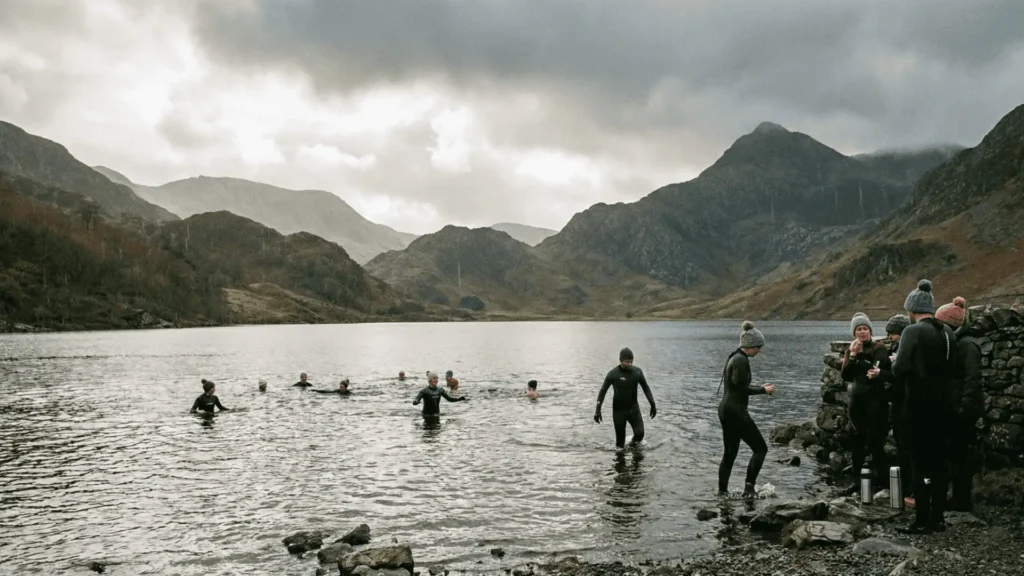
Can you wild swim anywhere in Eryri?
Although outdoor swimming is popular throughout North Wales, there isn’t a general right to swim in every lake or river. Many lakes are privately owned, and access to the surrounding countryside doesn’t automatically include permission to enter the water. Swimming is also prohibited in certain drinking-water reservoirs and should be avoided in protected locations such as Llyn Idwal in Cwm Idwal.
Eryri National Park Authority provides guidance on wild swimming and water activities, including information about recognised locations and restrictions. It’s a useful starting point when researching somewhere unfamiliar.
Even where swimming is permitted, conditions can vary considerably. A lake that looks calm from the shore may be unexpectedly deep or cold, while wind, rainfall and other water users can change the experience from one visit to the next. None of the lakes in this guide should be regarded as automatically suitable for beginners, and independent swimming is not routinely supervised.
New to outdoor swimming? Consider a supervised session
If you’ve never swum outdoors before, an organised session is a much better introduction than heading independently into a mountain lake. Even confident pool swimmers can find cold water surprisingly difficult, particularly during the first moments of immersion when breathing and coordination can be affected.
A supervised session gives you the opportunity to become familiar with open-water conditions while someone experienced manages the activity and provides appropriate safety cover. You’ll also have the chance to ask questions about equipment, water temperature and what to expect before entering.
Snowdonia Watersports, based beside Llyn Padarn in Llanberis, offers supported open-water swimming, including assisted sessions for newcomers. These are intended for people who can already swim, rather than lessons for non-swimmers.
Check directly with Snowdonia Watersports for current sessions, booking arrangements and equipment requirements. Availability may be seasonal, and it’s worth establishing exactly what supervision is included before making plans.
The RNLI’s guidance for beginner open-water swimmers is also well worth reading, whether you’re joining an organised session or planning to swim independently.
Three places to wild swim in Eryri
These three lakes offer very different surroundings, from the woodland of Gwydir Forest to the dramatic mountain scenery around Yr Wyddfa. All are recognised swimming locations, but permission to swim doesn’t remove the need to assess conditions carefully.
1. Llyn Geirionydd: Woodland swimming in Gwydir Forest
Llyn Geirionydd lies among the wooded hills of Gwydir Forest, not far from Trefriw and Betws-y-Coed. Unlike some of Eryri’s more remote mountain lakes, it’s possible to park close to the water, making it an appealing option if you don’t want a lengthy walk carrying swimming equipment. The surrounding forest gives the lake a secluded feel, although it can be quite busy on fine summer days.
Natural Resources Wales (NRW) expressly permits swimming from its lakeside car park, but there are restrictions worth understanding before entering. Water skiing takes place on the lake under a permit system, and swimmers must follow the separation arrangements displayed on site. The northern end is privately owned, so permission to swim from the NRW car park doesn’t extend to every part of the shoreline.
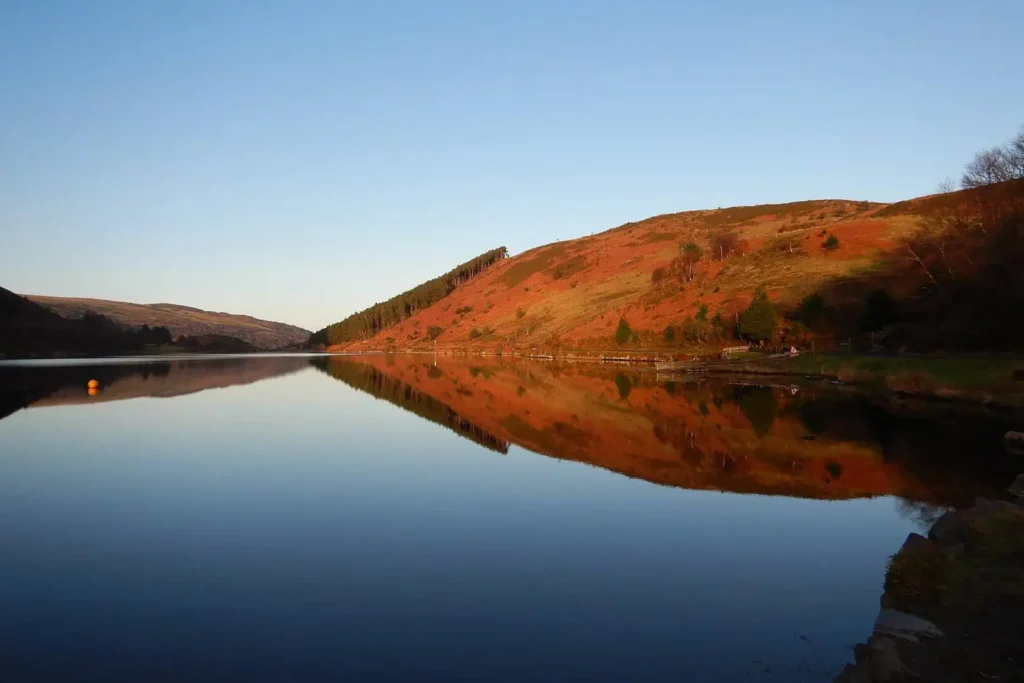
The lake reaches depths of around 12 metres and remains cold, even when the weather is warm. There’s no lifeguard supervision, and mobile reception can be unreliable. It’s therefore a better prospect for people with some open-water experience than for someone attempting their first independent swim.
One advantage of Geirionydd is that it’s a pleasant place to visit even if you decide against swimming. Picnic benches overlook the water, while Gwydir Forest offers numerous walking opportunities. You could easily combine a swim with a woodland walk, or simply enjoy some time beside the lake if conditions aren’t suitable.
Parking and facilities: NRW provides a free lakeside car park, toilets and picnic benches. Toilets are currently listed as opening between 9am and 7pm, although facilities can close unexpectedly. There’s no café or refreshments at the lake, and the approach involves narrow forest roads in places. Don’t rely solely on the postcode LL27 0YZ, which covers a wide area.
For directions, current facilities and water-skiing restrictions, consult the official NRW Llyn Geirionydd information.
If you’d like to explore the surrounding woodland, our guide to Gwydir Forest Park covers its lakes, walking routes and other places worth visiting.
2. Llyn Padarn: Open-water swimming beneath the mountains
Llyn Padarn stretches along the edge of Llanberis, with the steep slopes of Eryri rising above the village and the old slate workings visible around the valley. It’s a striking setting for a swim, particularly on a clear day when the mountains are reflected in the water.
The lake is also one of North Wales’s most established outdoor swimming locations. Unlike most inland lakes, Llyn Padarn has official designated bathing-water status, meaning Natural Resources Wales monitors bacterial water quality at the designated bathing area during the bathing season. Its 2025 classification was Excellent, although that describes monitored water quality rather than the physical safety of swimming.
Padarn is a deep glacial lake, with some areas dropping away steeply close to the shore. It’s also shared with kayakers, paddleboarders and other water users. The combination makes it important to choose your entry point carefully, remain aware of surrounding activity and establish how you’ll get out before entering the water.
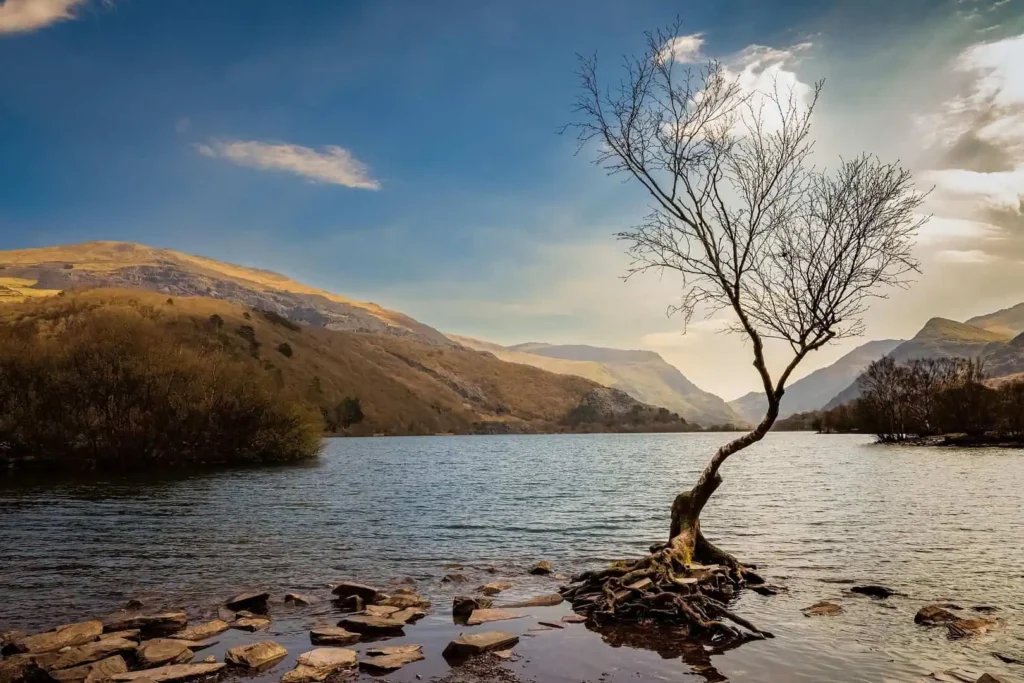
For anyone unfamiliar with the lake, the Y Glyn area near Snowdonia Watersports is a useful place to investigate. It provides access to the lakeside and proximity to an established watersports operator, although that doesn’t mean independent swimmers are supervised or that every section of shoreline offers an easy entry. Follow local signs and respect any private land or access restrictions.
Llanberis has a practical advantage over more isolated swimming locations: there’s plenty to do nearby. Cafés, walking routes and the village’s slate heritage attractions make it easy to build a day around your visit. If the weather turns or swimming conditions are unsuitable, you still have several worthwhile alternatives.
Parking and facilities: Several car parks serve Llanberis and the lakeside, including the Y Glyn area. Charges may apply, and parking can be busy during summer weekends and school holidays. Toilets, cafés and other facilities are available in the village, while Snowdonia Watersports can provide information about its organised activities and current services.
For someone interested in trying outdoor swimming with appropriate support nearby, Llyn Padarn is particularly worth investigating. Just remember that a designated bathing area and nearby watersports facilities don’t make the wider lake a supervised swimming venue.
3. Llyn Gwynant: Swimming in the Nant Gwynant valley
Llyn Gwynant lies in the beautiful Nant Gwynant valley, with steep mountainsides rising from the surrounding woodland and the slopes of Yr Wyddfa dominating the landscape. The lake has a very different atmosphere from Geirionydd’s enclosed forest setting, with broad views along the valley and mountains reflected across the water on calmer days.
It’s a well-known location for outdoor swimming, kayaking and paddleboarding, especially during the warmer months. Llyn Gwynant Campsite occupies part of the northern shore and provides information about swimming conditions and access, including roadside laybys on campsite land alongside the A498.
The lake is fed by cold mountain streams, and the campsite operator warns that water beneath the surface can be considerably colder than the water above. This is worth remembering on sunny days, when the surface may appear inviting but the deeper water remains cold. There’s no routine lifeguard supervision, so swimmers must make their own assessment of conditions and stay within their capabilities.
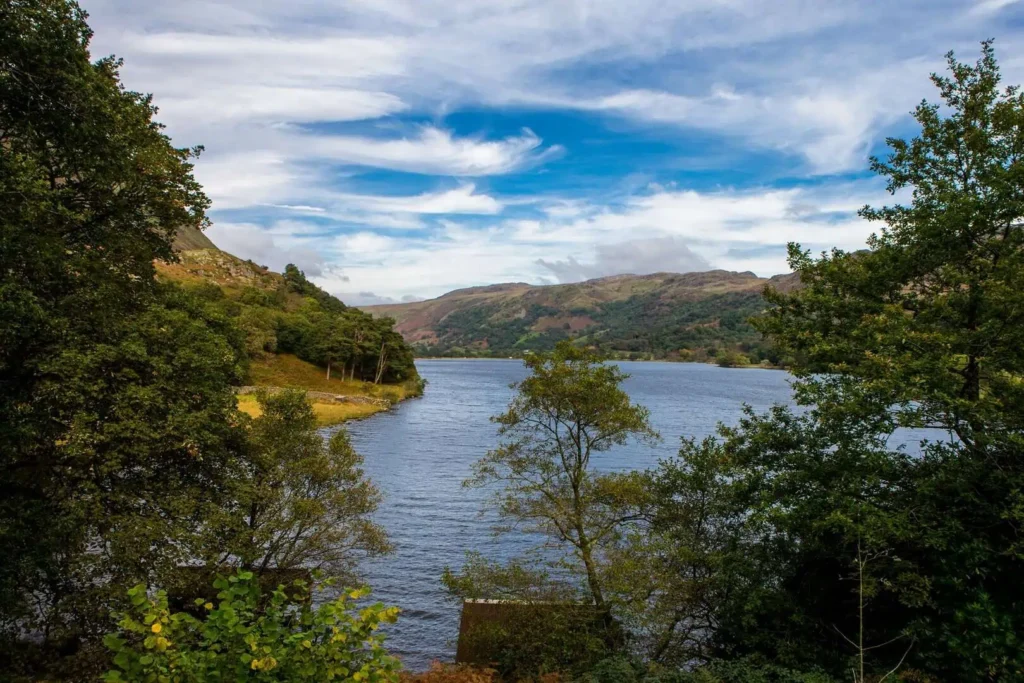
There’s also an important distinction between swimming in the lake and entering the nearby river pools. The campsite warns that releases associated with the upstream Cwm Dyli hydroelectric power station can cause sudden turbulence in the river. These pools shouldn’t be treated as an alternative swimming location, however attractive they might look.
The campsite offers booked day visits, providing access to facilities such as toilets and showers under its current arrangements. These visits are separate from roadside access to the lake, and availability depends on the season and the campsite’s operating conditions. It’s worth checking the details before travelling rather than assuming facilities will be open.
Parking and facilities: Roadside laybys provide access to the lake, subject to available space and local restrictions. Don’t obstruct the A498 or private access points. Campsite day visits must be booked in advance and are subject to availability. Published information about dogs on day visits is inconsistent, so contact the operator directly if you’re planning to bring one. The postcode LL55 4NW can also be misleading, so use the directions on the Llyn Gwynant Campsite website.
Llyn Gwynant is a particularly appealing prospect for swimmers who already have experience assessing natural water conditions and enjoy being surrounded by mountain scenery. For other visitors, the lakeside and wider Nant Gwynant valley are well worth exploring without necessarily entering the water.
Staying safe when swimming outdoors
Outdoor swimming can be enormously rewarding, but mountain lakes are very different from heated pools. The most important preparation is understanding your own abilities, recognising the conditions and being willing to change your plans if something doesn’t feel right.
Cold water and changing conditions
Even in summer, Eryri’s lakes can remain surprisingly cold. Water temperature can vary between locations, with depth and even within the same lake. Sunshine and warm air temperatures aren’t reliable indicators of how comfortable the water will be.
Entering cold water suddenly can trigger cold-water shock, causing involuntary gasping, rapid breathing and difficulty controlling your movements. Enter gradually rather than jumping or diving, and allow your breathing to settle before attempting to swim. If you’re struggling to control your breathing, don’t continue further into the water.
Cold water also reduces strength and coordination over time. It’s important not to remain in the water simply because you feel comfortable initially, particularly if you’re inexperienced.
Wind and weather deserve equal attention. A calm lake can become much more difficult when the wind rises, creating waves and making the return to shore harder than expected. Check the forecast before leaving, reassess conditions when you arrive and avoid swimming during thunderstorms, poor visibility or strong winds.
Entry points, equipment and swimming companions
Before entering a lake, identify a suitable place to get in and, just as importantly, a reliable way to get out. Slippery rocks, uneven lakebeds, submerged obstacles and unexpected drop-offs can all make access difficult. Never dive or jump into water when you don’t know its depth or what lies beneath the surface.
Don’t swim alone. Going with an experienced outdoor swimmer, or joining an organised group with appropriate safety cover, is preferable to heading out independently. Let someone know where you’re going, particularly in locations with poor mobile reception.
A brightly coloured swimming cap and tow float help make you more visible to boats and other water users. A suitable wetsuit can reduce heat loss, although it won’t prevent cold-water shock or eliminate the risk of hypothermia. A tow float is a visibility aid, not a substitute for a lifejacket or a properly fitted buoyancy aid.
Warming up afterwards
Bring warm, dry clothing, a towel and suitable footwear, along with something to protect you from the wind while changing. Getting dry and dressed promptly is particularly important when the air temperature is low or the weather is unsettled.
Your body can continue cooling after you leave the water, a process known as afterdrop. Allow yourself time to recover and warm up gradually rather than rushing straight back to the car. The RNLI recommends avoiding driving for around 30 minutes after a cold-water swim while your body is warming up.
For further information, the RNLI’s open-water swimming guidance covers preparation, equipment and recognising potential problems.
Looking after Eryri’s lakes and wildlife
Eryri’s lakes are part of sensitive mountain and woodland environments, and swimmers have a responsibility to minimise their impact. This starts with respecting access restrictions and avoiding protected areas where swimming could disturb wildlife or damage habitats.
Water quality is another important consideration. Avoid swimming where you can see algal blooms, unusual discolouration, surface scum or signs of pollution, and always follow any warning notices. Blue-green algae can be harmful to people and animals, particularly dogs. Heavy rainfall can also affect water quality through run-off, even at lakes with a history of good monitoring results.
Equipment and clothing can carry invasive species between waterways. The Check, Clean, Dry approach helps prevent their spread: inspect everything after leaving the water, clean it thoroughly and allow it to dry completely before using it elsewhere.
Finally, take litter home, avoid disturbing wildlife and respect people who live, work or enjoy other activities around the lakes. A little consideration goes a long way towards keeping these places enjoyable for everyone.
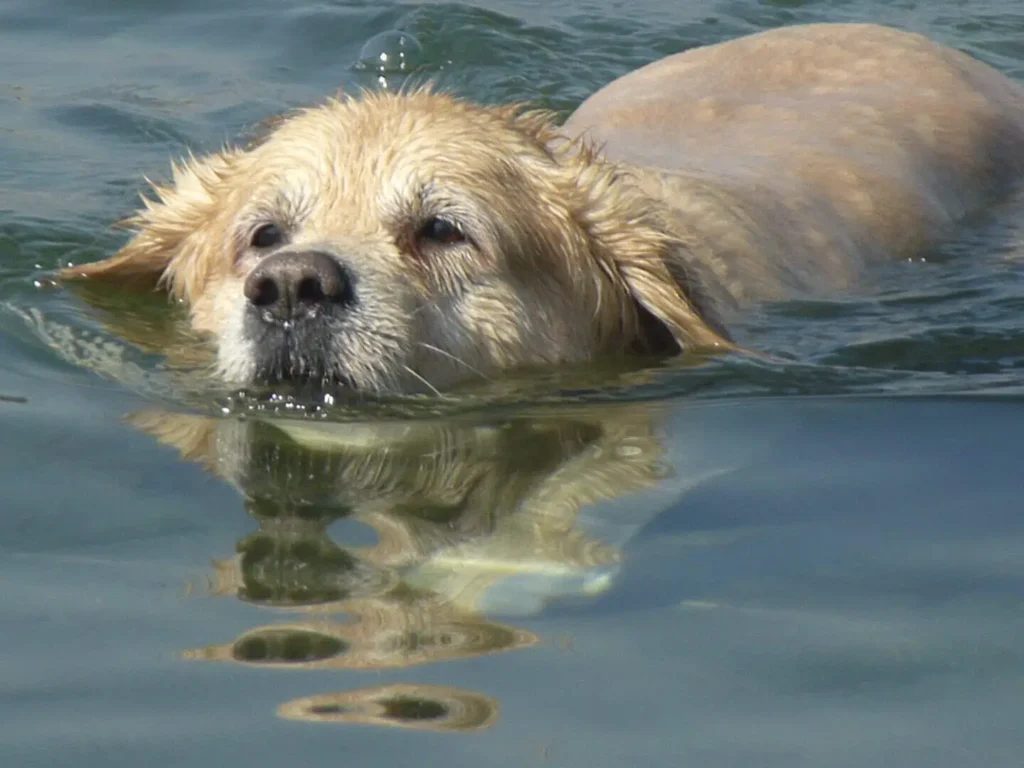
What about wild swimming with dogs?
Some lakeside locations welcome dogs on surrounding paths, but that doesn’t necessarily mean they can enter the water or that all sections of shoreline are accessible. Rules vary, particularly where land is privately owned or used for camping and watersports.
If you’re visiting with a dog, check the local restrictions and keep them away from fast-flowing water, steep banks and places where they could struggle to climb out. Never allow a dog into water that may contain blue-green algae, and don’t encourage a reluctant dog to swim.
For many owners, combining a lakeside walk with their own swim also creates a practical problem: someone needs to look after the dog while they’re in the water. Depending on the location and your arrangements, a walk beside the lake may be the more enjoyable option.
Planning a wild swimming day from the Conwy Valley
If you’re staying in the Conwy Valley, these three lakes offer quite different possibilities for a day out. Llyn Geirionydd is a natural choice for combining woodland walks with time beside the water, while Llyn Padarn offers the convenience of Llanberis and its cafés, attractions and outdoor activity providers. Llyn Gwynant is more about the mountain landscape itself, with the surrounding Nant Gwynant valley providing plenty to explore.
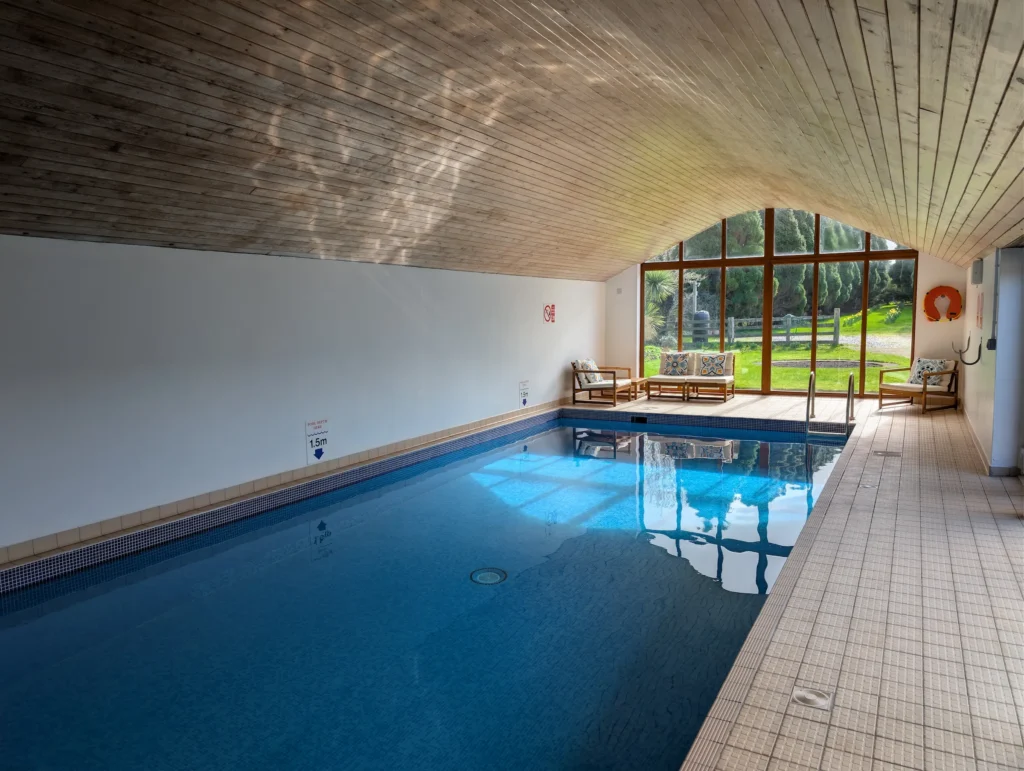
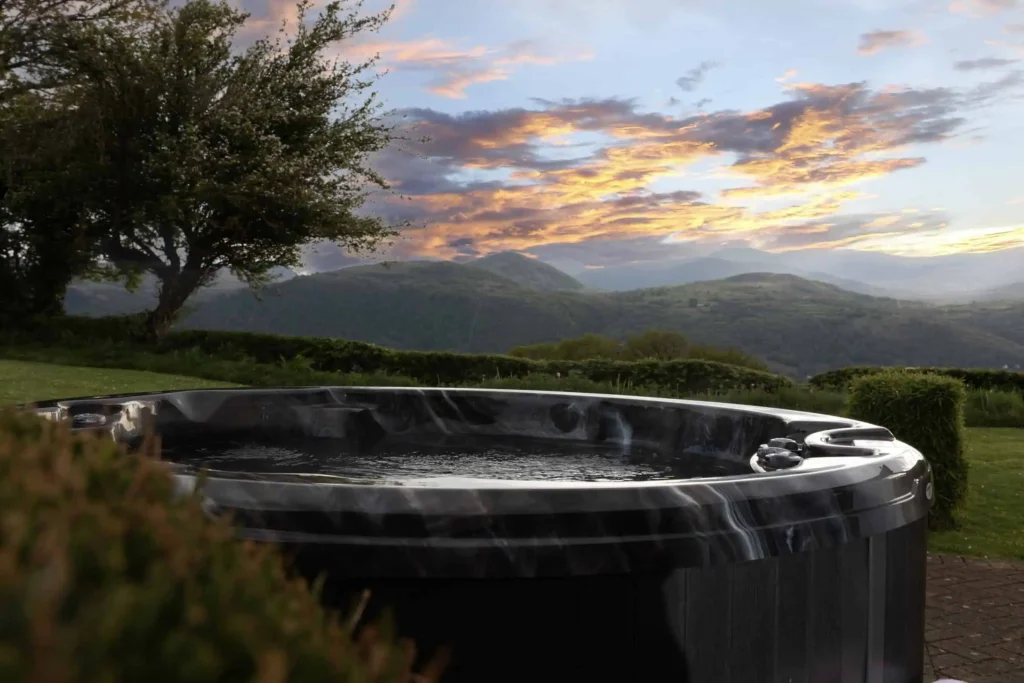
At Conwy Valley Getaway in Eglwysbach, our two holiday cottages make a convenient base for exploring this part of North Wales. Both have access to our heated indoor swimming pool, and each has its own private hot tub, giving guests somewhere to relax after a day outdoors.
Whether you’re an experienced outdoor swimmer or simply curious about trying it, it’s worth approaching Eryri’s lakes with a little flexibility. Check the latest access information, weather and local conditions before leaving, and don’t feel obliged to swim simply because you’ve made the journey. Sometimes a walk along the shore, with the mountains reflected in the water, is reason enough to visit.
FAQs
Where can you go wild swimming in Eryri?
Llyn Geirionydd, Llyn Padarn and Llyn Gwynant are three recognised outdoor swimming locations. Swimming at Geirionydd is expressly permitted by Natural Resources Wales from its car park, subject to restrictions. Padarn has designated bathing-water status, while Gwynant has swimming access arrangements described by its campsite operator. Always check local permissions and conditions before visiting.
Is wild swimming in North Wales suitable for beginners?
Outdoor swimming can be enjoyed by beginners, but an unsupervised mountain lake isn’t necessarily the best place to start. An organised session with experienced supervision offers an opportunity to become familiar with cold water and open-water conditions. Participants should already have the swimming ability required by the provider.
Do you need a wetsuit for wild swimming in Eryri?
A wetsuit is strongly recommended, particularly for newcomers and in colder conditions. It helps reduce heat loss but won’t prevent cold-water shock or make prolonged immersion safe. A brightly coloured swimming cap, tow float and warm clothing for afterwards are also worth considering.
Can you swim in Llyn Padarn?
Yes. Llyn Padarn is a recognised outdoor swimming location with designated bathing-water status, although the lake isn’t generally lifeguarded. It’s deep, with some steep drop-offs and other water users to consider. Check access arrangements, current water-quality information and conditions before entering.
Can you swim in any lake in Eryri?
No. Some lakes are privately owned and require permission, while swimming is prohibited in certain drinking-water reservoirs and inappropriate in protected locations such as Llyn Idwal. Consult Eryri National Park Authority’s guidance and local notices before entering unfamiliar water.
Some images: © Crown Copyright