One of our holiday cottage guests put it perfectly. After their stay, they described “climbing an unpronounceable Welsh mountain in brilliant sunshine” – which is honestly the experience of most first-time visitors. You arrive, you explore, you fall in love with the place, and you leave having spent a week among names that felt just slightly out of reach.
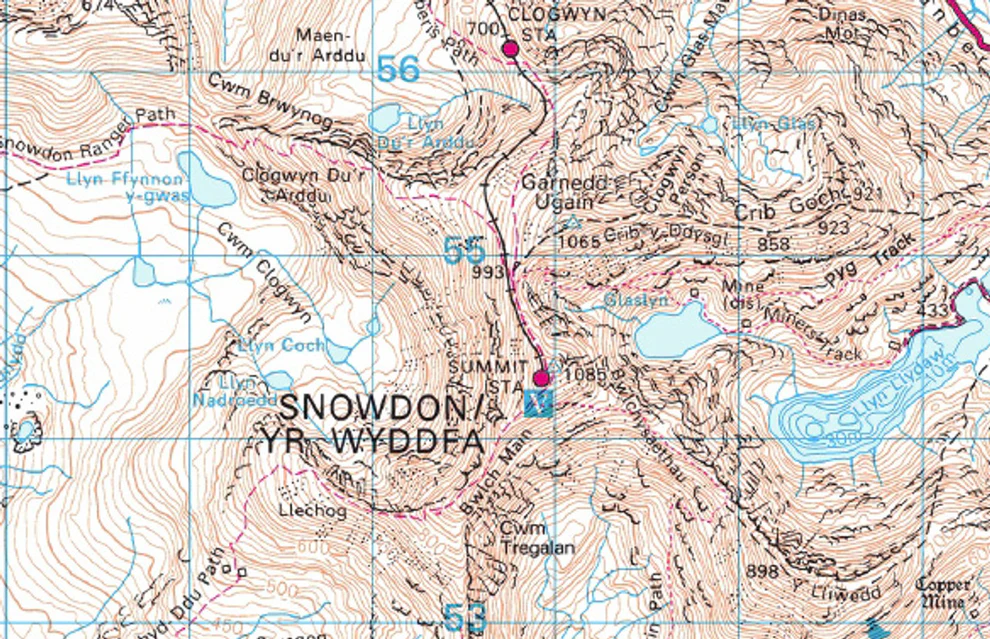
This post is the thing worth reading first. Learn ten words, and the OS map stops being a puzzle. It starts telling you exactly what you’re looking at.
If you’d like a hand with pronunciation too, our companion guide How to Pronounce Welsh Place Names has you covered.
Why the Names Still Work
Welsh place names are directly descriptive. Unlike English, where a name like “Preston” has drifted far from its Saxon origins, Welsh names were recorded when the language was already old, and the language hasn’t changed significantly since.
The names appearing in the Aberconwy Charter of around 1198 – Yr Wyddfa (Snowdon), Crib Goch, various bwlch and cwm names – are still in daily use, over 800 years later. You’re not reading history. You’re reading a landscape.
Two cottages worth knowing about.
Fig Tree and Laurel sit high above the Conwy Valley with private hot tubs, a shared heated indoor pool and views stretching to Eryri. Dog-friendly and available year-round.
Check availabilityThe Ten Words
- Cwm – a bowl-shaped, glacially scoured hollow (pronounced to rhyme with “room”)
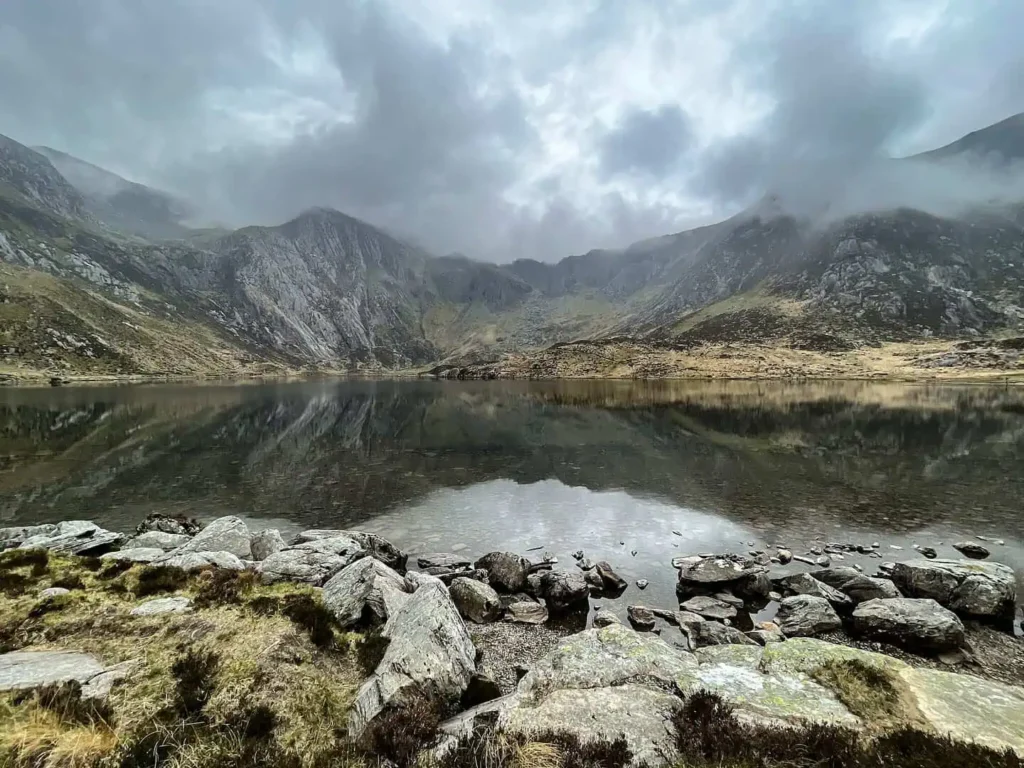
English borrowed this one directly. The “combe” in Devon and Somerset place names comes from the same root. In Wales, you’ll find cwm everywhere in the mountains of Eryri (Snowdonia): Cwm Pennant, Cwm Ystradllyn, and most vividly, Cwm Idwal above Llyn Ogwen a deep glacial hollow that looks exactly like its name suggests.
- Llyn – lake
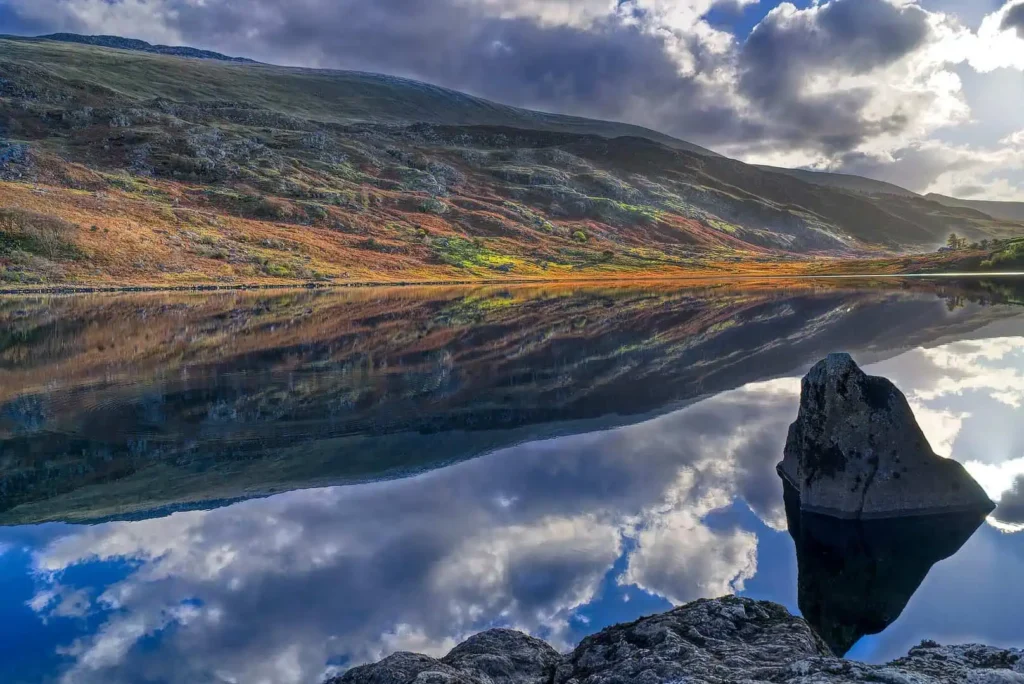
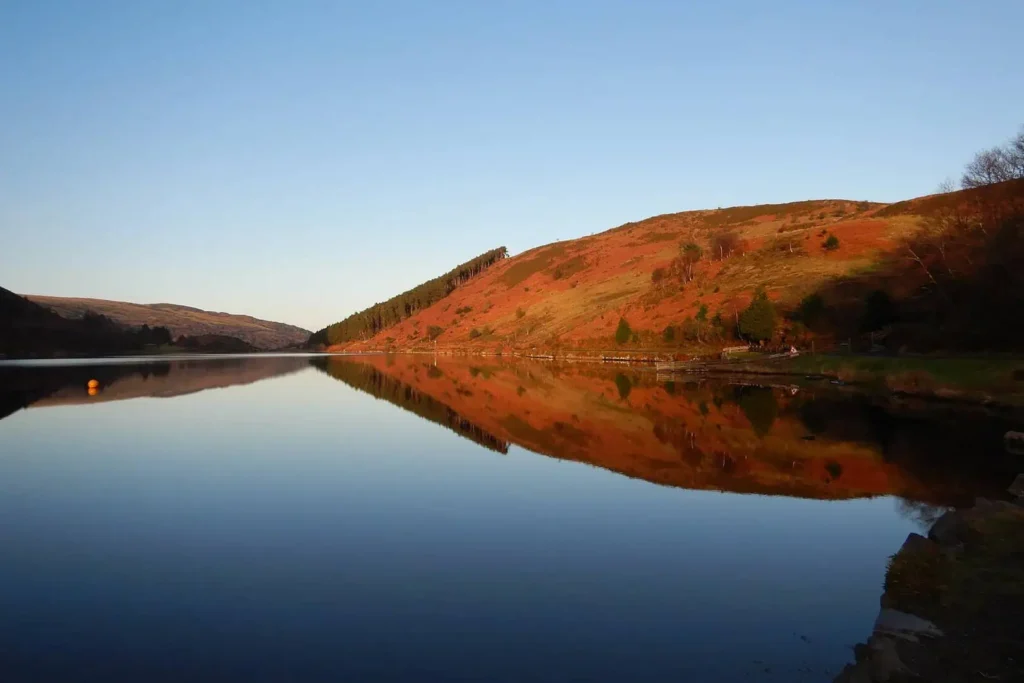
Llyn Crafnant combines llyn (lake), craf (wild garlic) and nant (stream), giving you “lake of the stream of wild garlic.” Once you know this, every llyn on the map tells a small story: Llyn Geirionydd is linked to the poet Taliesin; Llyn Cowlyd is simply cold and deep and serious.
- Nant – brook, stream, small valley
Nant Gwynant joins nant with gwyn (white or fair): the white-stream valley. You’ll see nant throughout the mountain approaches to Yr Wyddfa. Nant Peris, Nant Ffrancon – each one names the watercourse that cut the route through.
- Bwlch – a pass or gap between mountains
Every bwlch on the map marks a crossing point people have used for centuries. Bwlch y Saethau (the Pass of the Arrows), on the Watkin Path up Yr Wyddfa, is said to commemorate the spot where King Arthur fell. Even the most ordinary-looking bwlch on the map carries that weight of repeated, purposeful crossing.
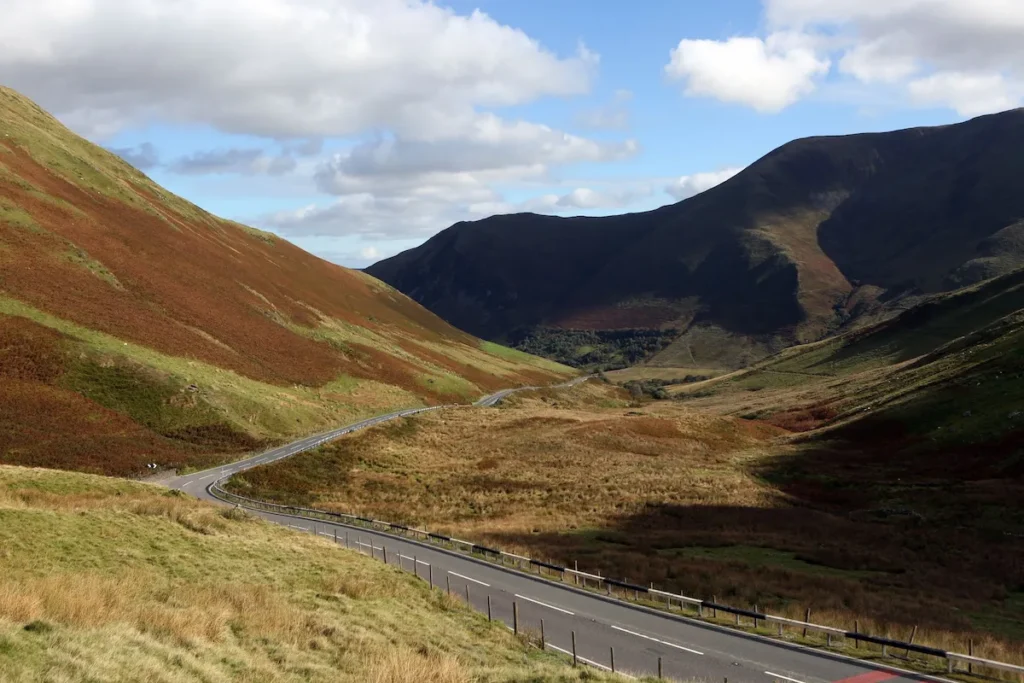
- Carnedd / Carneddau – cairn / the cairns (plural)
The Carneddau, visible to the west on a clear day from the cottage gardens, takes its name from the Bronze Age burial cairns built on its summits thousands of years ago. A mountain range named after its graves. Our Guide to the Carneddau goes much deeper into what those peaks hold.

- Moel / Foel – a bare, treeless summit
Moel Siabod is visible from much of the Conwy Valley. The f form – Foel – is the same word after a standard Welsh grammatical mutation. Same hill, same meaning.
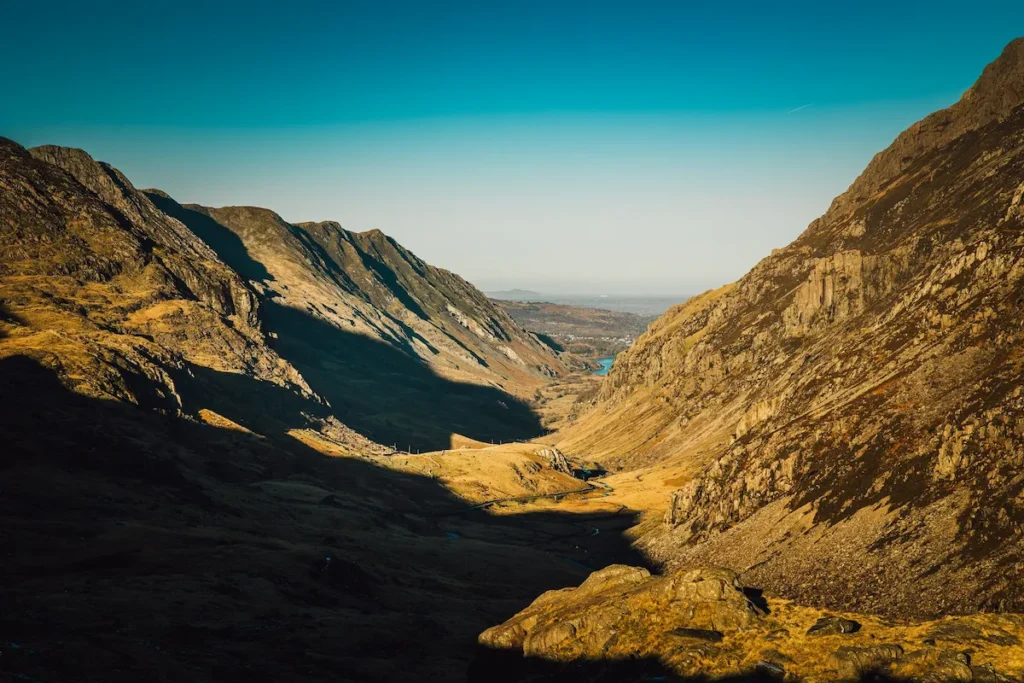
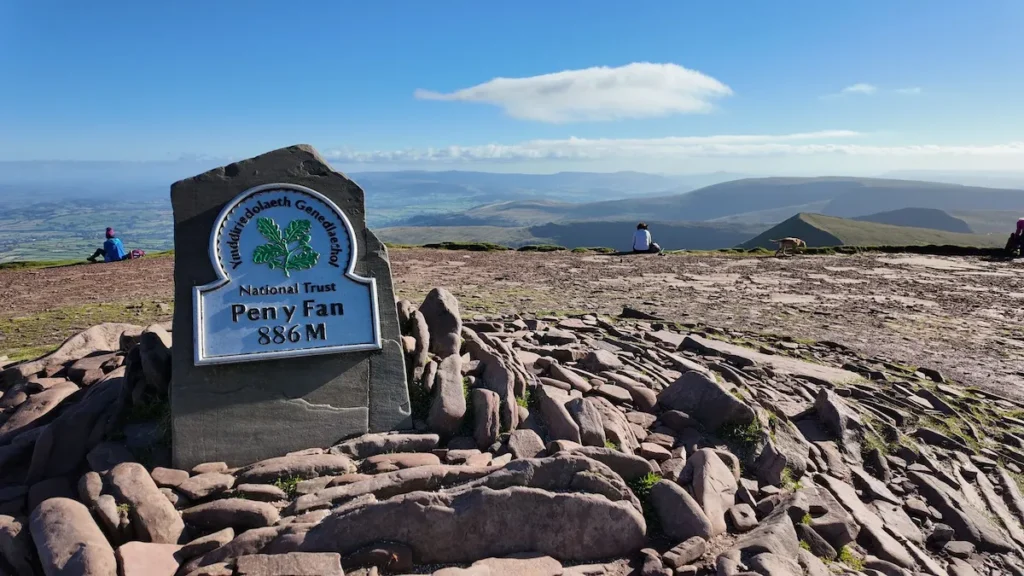
- Pen – head, top, end
One of the most frequent elements in Welsh place names. Pen-y-Pass is “the head of the pass.” Penmaenmawr is “the head of the great stone.” Once you have pen, half the high points on any North Wales map become readable.
- Aber – river mouth, estuary, confluence
Aberconwy means the mouth of the Conwy – which is where the town sits. The prefix turns up across Wales wherever rivers meet the sea or join each other. Spot gwyn inside Abergwyngregyn and you know something white was once here too.
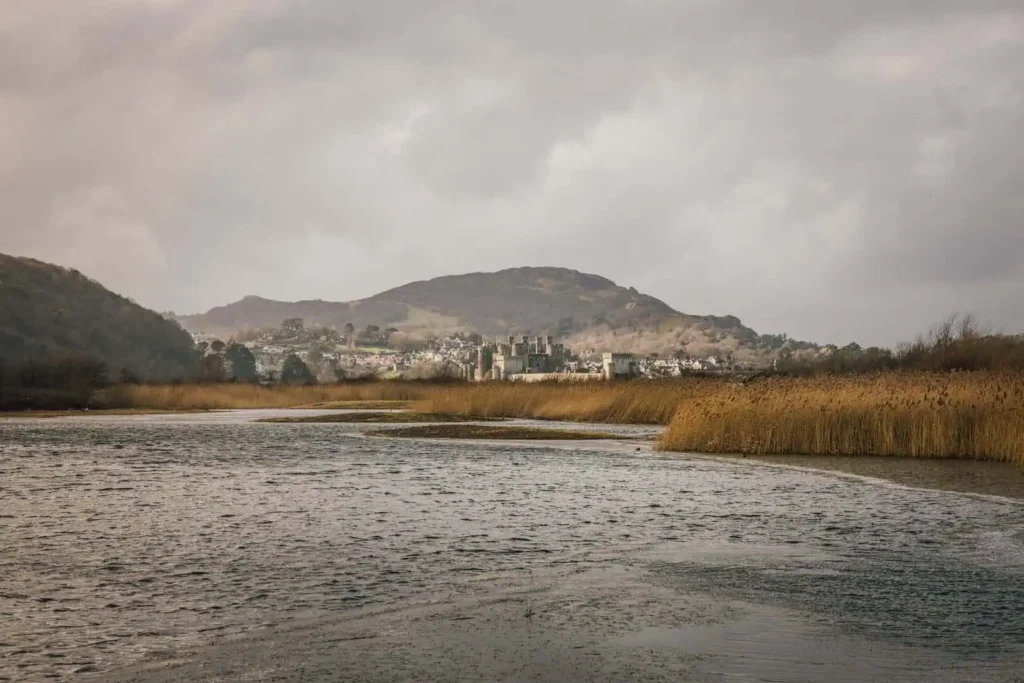
- Afon – river
Afon Conwy runs the full length of the valley. The Welsh f carries a v sound, so afon is pronounced “avon” — and every River Avon in England is simply this Welsh word, carried into the English-speaking landscape by Brittonic speakers before the Anglo-Saxon settlement. Britain’s oldest river names predate everything that came after them.
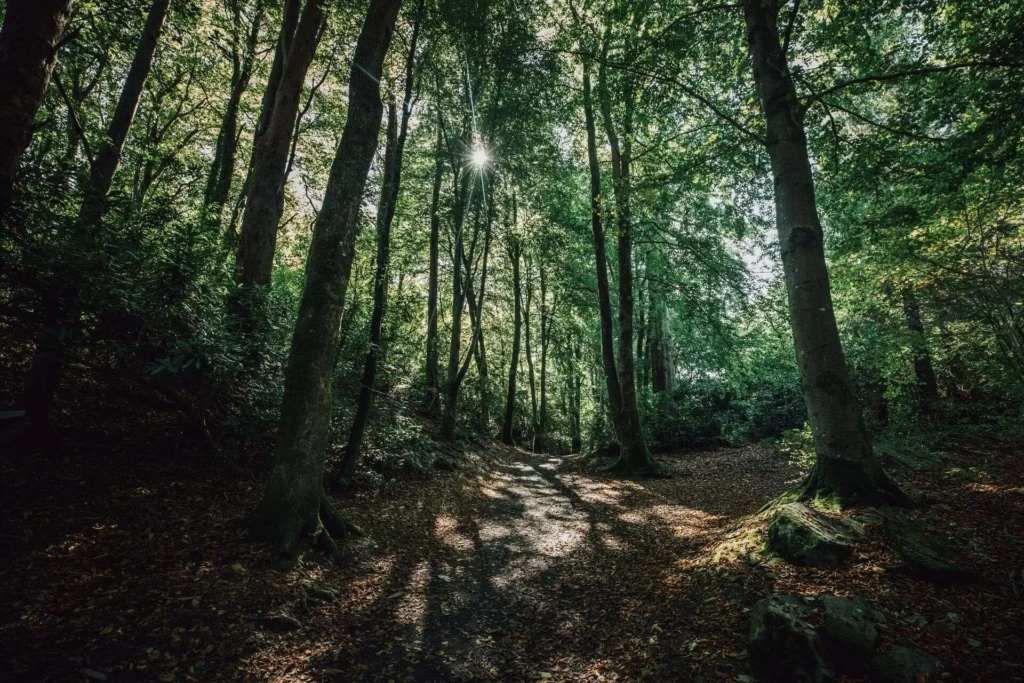
- Coed – wood, trees
Betws-y-Coed means “prayer house in the trees”: betws (an Old English borrowing meaning house of prayer) + y (the) + coed (trees). Gwydir Forest Park is full of coed references in the surrounding woodland, once you start noticing them.
A Few Bonus Words
Gwyn / wyn means white or fair (Nant Gwynant, the Moelwynion range). Du / ddu means black or dark (Rhyd Ddu, Nant Ddu). Mawr / fawr means great or large; bach / fach means small. And dyffryn means a broader valley than cwm: Dyffryn Conwy is the valley itself, the whole thing, named for the river running through it.
One Surprising Fact
Welsh is a living language, spoken by over 20% of the population, and place names in Wales are, in the majority of cases, identical in Welsh and in English because the Welsh name is simply used. The names weren’t translated into English. They were never replaced. They are the original names, still on every signpost, still on every OS map, still exactly as they were in 1198.
You’re not learning obscure vocabulary. You’re reading the first draft of this landscape, the one that’s never been revised.
Planning a trip to the valley? You can check availability at Fig Tree and Laurel and find your base for exploring it all.

FAQs
What does “cwm” mean in Welsh place names?
Cwm (pronounced to rhyme with “room”) means a bowl-shaped valley, typically one scooped out by glacial action. You’ll see it throughout Eryri: Cwm Idwal, Cwm Eigiau, Cwm Pennant. English borrowed the word directly; “combe” in Devon and Somerset place names comes from the same root.
What does Betws-y-Coed mean?
Betws-y-Coed means “prayer house in the trees.” Betws is an Old English borrowing meaning house of prayer; y is the Welsh for “the”; coed means trees or woodland. The name describes a small oratory that once stood in a forest clearing by the river.
What does the Carneddau mean?
Carneddau means “the cairns,” the plural of carnedd, a stone cairn or pile of stones. The name refers to the ancient Bronze Age burial cairns built on the mountain summits thousands of years ago. The range is visible to the west of the Conwy Valley on clear days.
Why do so many Welsh place names start with Llan?
Llan originally meant an enclosure, then came to signify a sacred enclosure or churchyard, and eventually a church or parish. Most Llan places are named after the early Celtic saint to whom the local church was dedicated: Llanrwst (St Grwst), Llandudno (St Tudno), Llanberis (St Peris).
What does Afon mean, and why does it appear in English place names?
Afon means river. Because Welsh uses a v sound for the letter f, afon is pronounced “avon,” which is why every River Avon in England is simply the Welsh word for river, carried into English by early Brittonic speakers. Britain’s oldest river names predate the Anglo-Saxon settlement.
Some images: © Crown Copyright